

MFWA training strengthens journalists’ understanding of media law and rights
A five-day MFWA training workshop is underway in Kumasi to strengthen journalists’ understanding of media law, professional rights and legal protections. The first day focused on freedom of expression and media freedom, while participants also examined constitutional rights, media regulation, competing rights and practical newsroom applications. Facilitator Samson Lardy Anyenini highlighted the importance of the legal support mechanism in helping journalists and media organisations respond to costly lawsuits, including SLAPPs, while stressing the need for responsible journalism, verification and preservation of evidence.
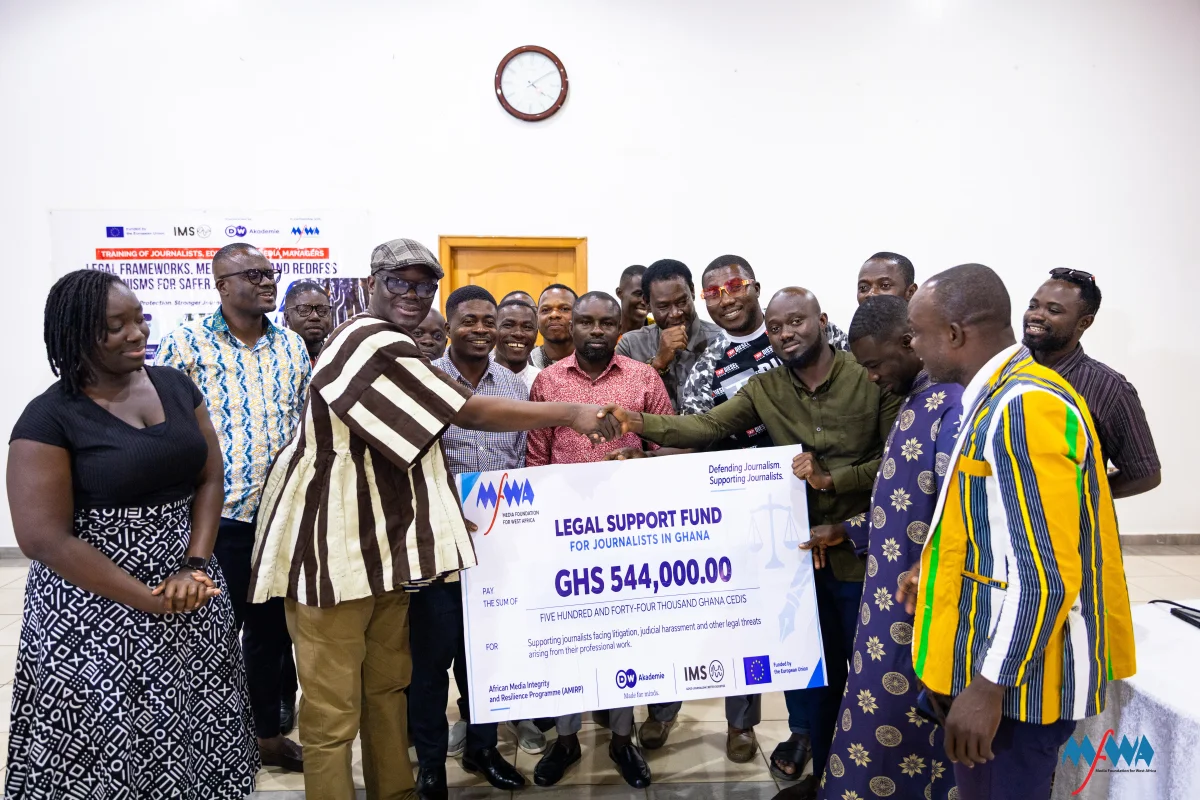
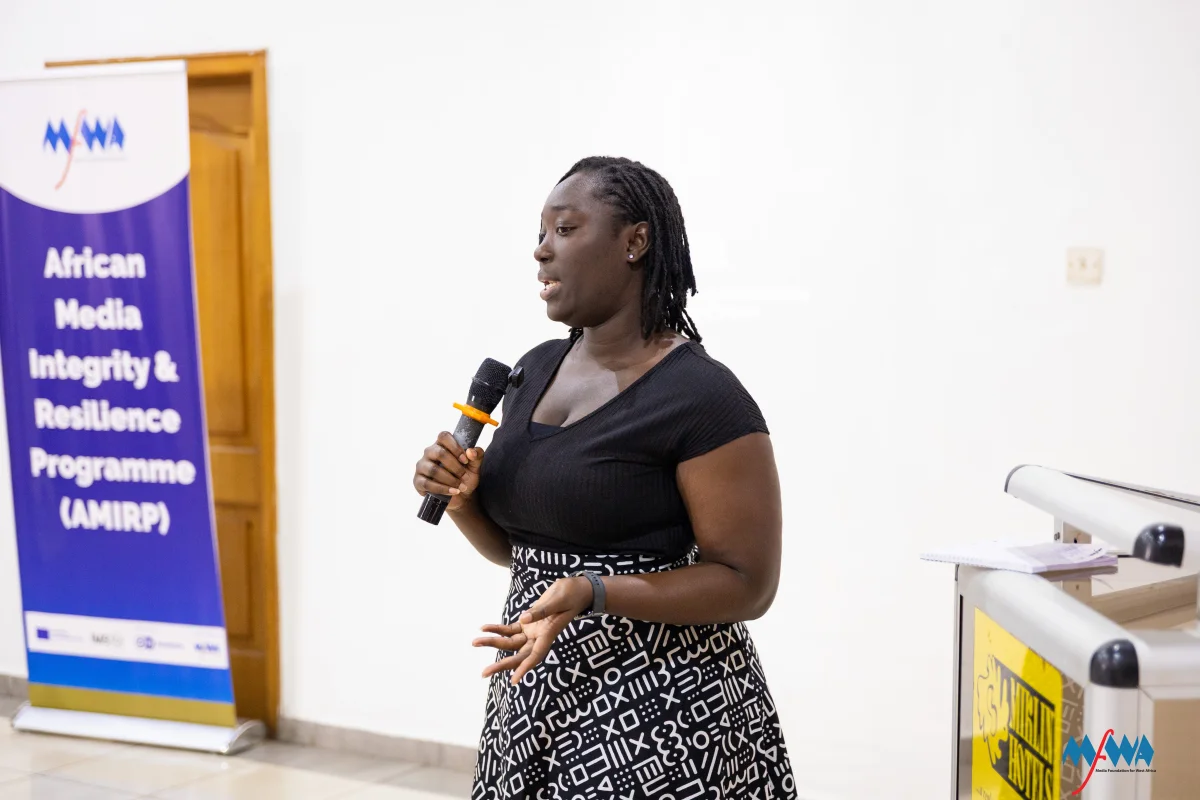
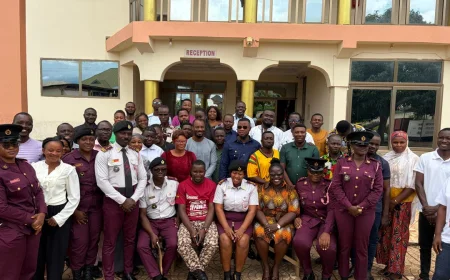
A five-day residential training workshop organised by the Media Foundation for West Africa (MFWA) to strengthen journalists’ understanding of media law, professional rights and legal protections is underway at the Miklin Hotel in Kumasi, Ashanti Region.
The workshop, which began on Monday, September 21, 2026, and is expected to end on Friday, September 25, forms part of the Africa Media Integrity and Resilience Programme (AMIRP), funded by the European Union and implemented in Ghana by MFWA in partnership with DW Akademie through International Media Support (IMS).
The training forms part of the Africa Media Integrity and Resilience Programme (AMIRP), an initiative funded by the European Union and implemented in Ghana by the Media Foundation for West Africa (MFWA) in partnership with DW Akademie through International Media Support (IMS).
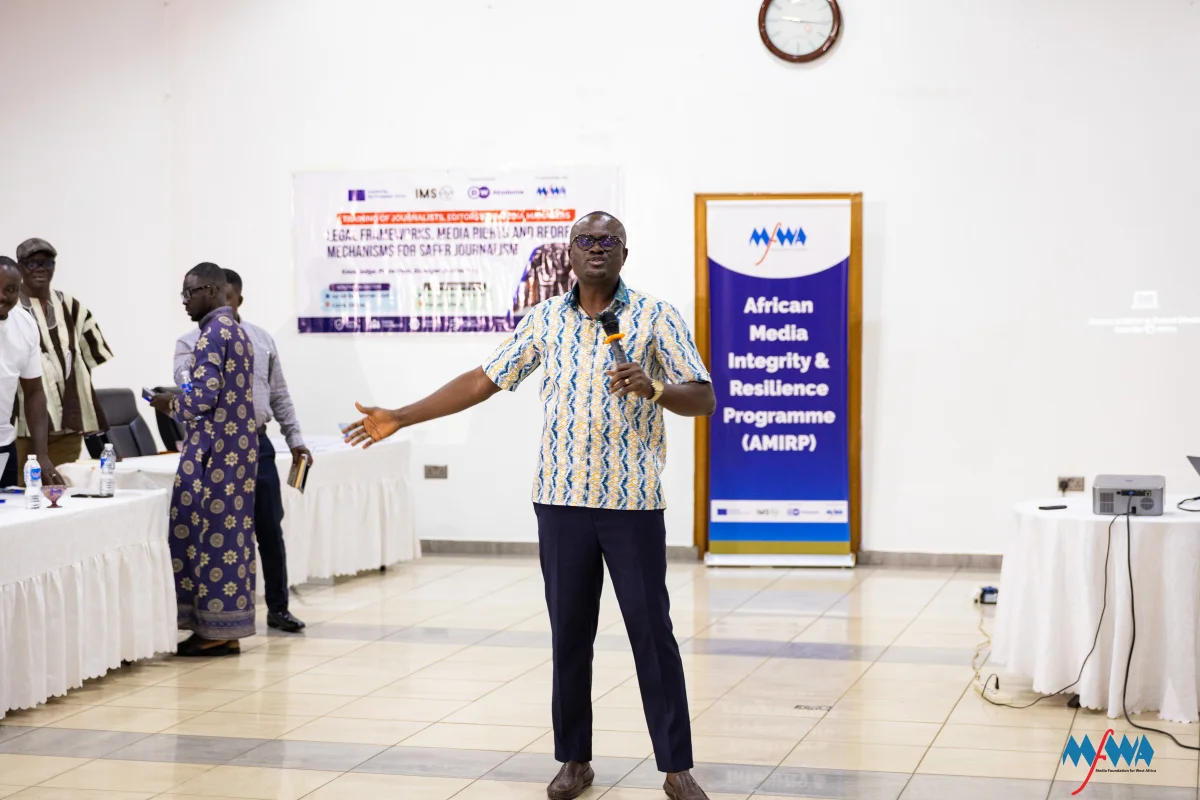
AMIRP is being implemented in Ghana, Ethiopia and the Central African Republic.
The programme is designed to equip journalists with a stronger understanding of the legal and constitutional framework governing media practice and help them navigate legal risks associated with reporting, including lawsuits, threats and other forms of pressure.
The first day of the training focused on freedom of expression and media freedom, with journalists from the northern sector of Ghana taken through issues including journalists' rights and responsibilities, media independence, censorship, editorial control, accountability and rejoinder.
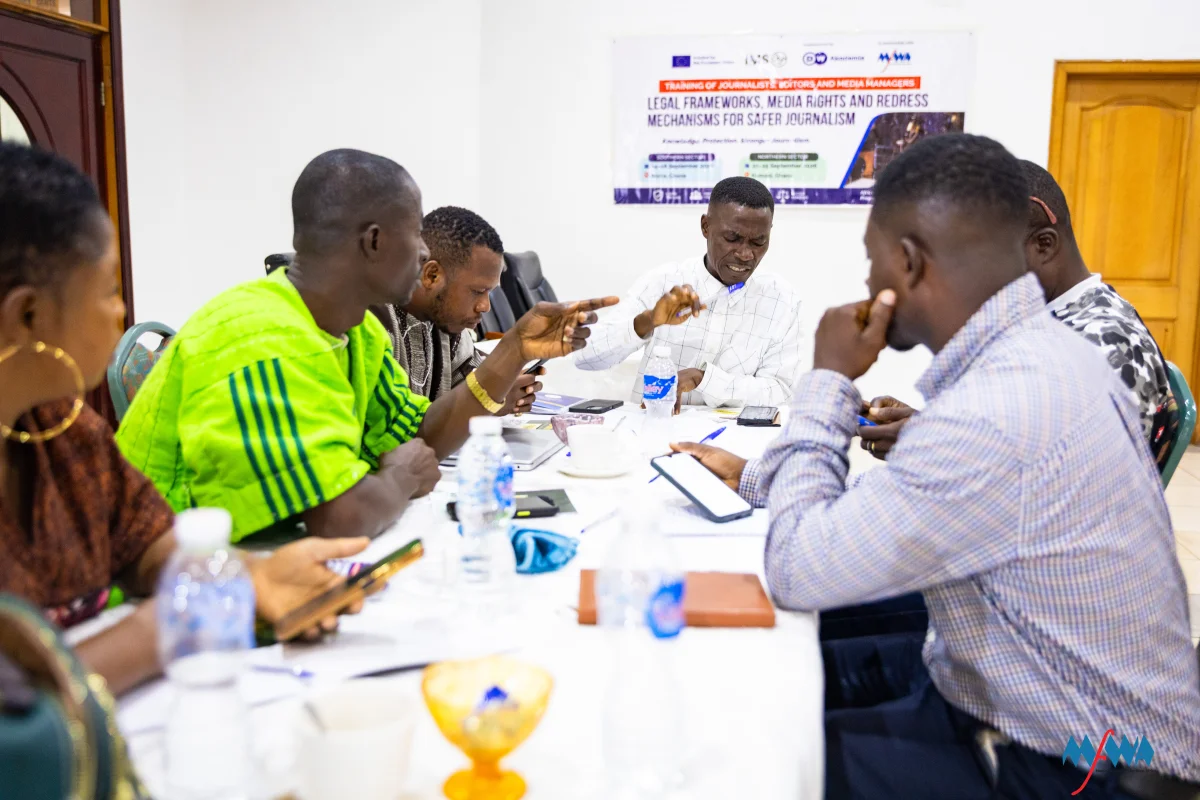
Participants were also being taken through the constitutional foundations of sovereignty, freedom of speech, the right to information and media freedom, as well as the role of state-owned media, elections and citizens' right to access competing information.
Other areas include media regulation, the roles of the National Media Commission (NMC) and National Communications Authority (NCA), licensing, professional standards and the constitutional limits on editorial control.
The training also examined competing rights and legal limitations relevant to journalism, including reputation, privacy, fair trial, security and public order.
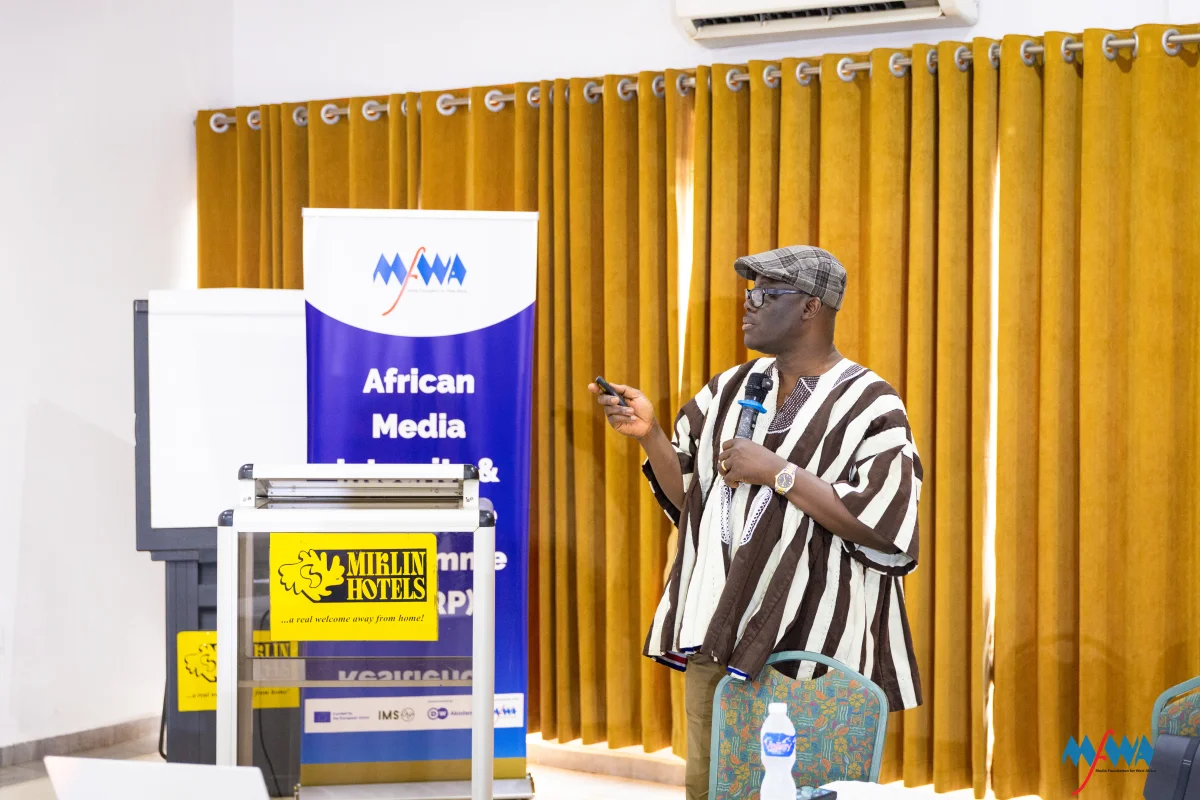
A key component of the firts day was the practical application of the issues discussed, with participants working in groups on newsroom exercises designed to strengthen their ability to apply legal and constitutional principles to real reporting situations.
Lawyer, journalist and media trainer Samson Lardy Anyenini, Esq., who facilitated the opening day's session on Freedom of Expression and Media Freedom, said the newly established legal support mechanism could help journalists and media organisations withstand the financial pressure associated with lawsuits.
''It is very timely that Media Foundation for West Africa, with its supporters and funders are making available money so that, in the event that someone sues some of the suits we know are what we call SLAPPs, Strategic Litigation against Public Participation.
''They are nuisance suits, these things are costly and media houses are unable to afford them.''
He said some lawsuits against journalists could constitute Strategic Lawsuits Against Public Participation (SLAPPs), particularly where legal action is used to discourage the media from continuing to report on matters of public interest.
Mr Anyenini, however, stressed that access to legal support must go alongside responsible journalism, urging practitioners to verify information, obtain responses and preserve evidence used in their publications.
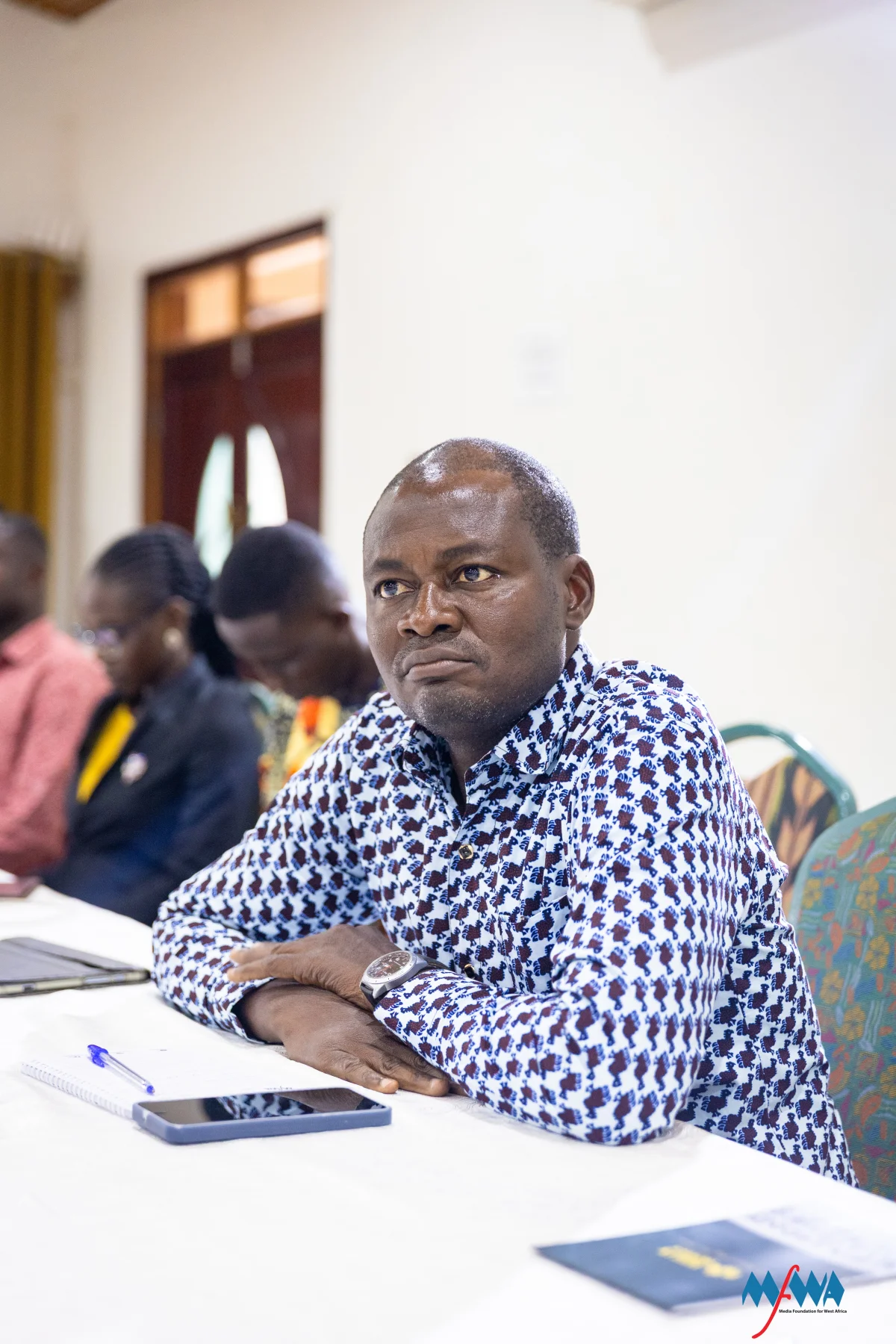
He also encouraged journalists to remain bold in their work while accepting responsibility when they make genuine errors.
''To have a fund that is available to assist, I think is going to be very useful. You do your work and do it boldly. Those that you need to call their bluff, you call their bluff but where humbly you need to submit and admit that you also made an error or you erred, you will do so.''
The training follows a similar programme held for journalists in the southern sector and forms part of wider efforts under AMIRP to strengthen the resilience of independent media and create a more enabling legal and policy environment for journalism.
What's Your Reaction?
 Like
0
Like
0
 Dislike
0
Dislike
0
 Love
0
Love
0
 Funny
0
Funny
0
 Wow
0
Wow
0
 Sad
0
Sad
0
 Angry
0
Angry
0

I am a Ghanaian journalist specializing in public-interest and accountability reporting, with a focus on governance, public policy, anti-corruption, human rights, and social justice. My work covers key development issues, including education, agriculture, environmental governance, and community development, with a strong commitment to ethical, research-driven journalism that amplifies marginalized voices and strengthens public accountability. In addition to journalism, I engage in civil society and advocacy work that supports democratic governance and inclusive development. I am committed to using journalism as a tool to inform public discourse, strengthen accountability, and contribute to evidence-based decision-making.

Comments (0)