

How Brexit Broke British Politics: A Decade of Instability
Keir Starmer's resignation marks another chapter in the UK's post-Brexit political instability. Since the 2016 referendum, Britain has seen frequent leadership changes, increasing political polarization, and weakening governance. This article examines how Brexit exposed structural flaws in the UK's political system, from inconsistent leadership and party fragmentation to tensions between Westminster and the devolved governments. It also explores the challenges awaiting the next Prime Minister and asks whether the UK can finally achieve long-term political stability.
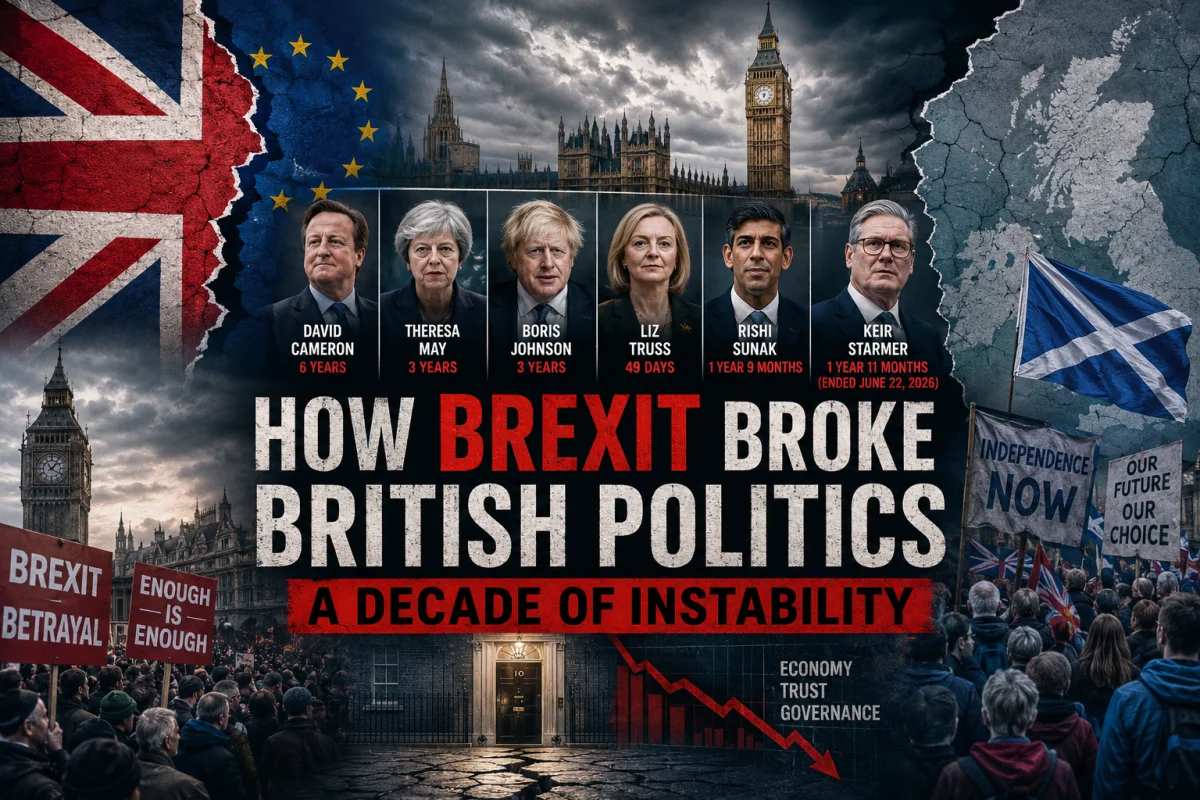
Keir Starmer stepped down as Prime Minister of the United Kingdom (UK) on June 22, 2026. This ended his one-year and 11-month tenure in the Prime Minister's office. This extends the list of UK Prime Ministers in the past 10 years. Following Brexit, UK politics has been trembling. The question is: how did UK politics fall after Brexit? Did it really have an impact?
Many things are impacting UK politics. Brexit did not just change the UK's relationship with Europe. It exposed deep structural weaknesses in UK politics. The result has been chronic instability, polarization, and weakened governance.
Inconsistent Leadership
Following Brexit, the UK has had six Prime Ministers in the past ten years. The path went from Cameron to May, to Johnson, to Truss, to Sunak, to Starmer, heading toward a seventh. Among these names, David Cameron had a tenure of six years, Theresa May three years, and Boris Johnson three years. These tenures had defined periods despite the growing tensions surrounding Brexit. The few names that came afterward had much shorter tenures. Starting with Liz Truss, barely anyone remembers her time in office. She was Prime Minister for only 49 days.
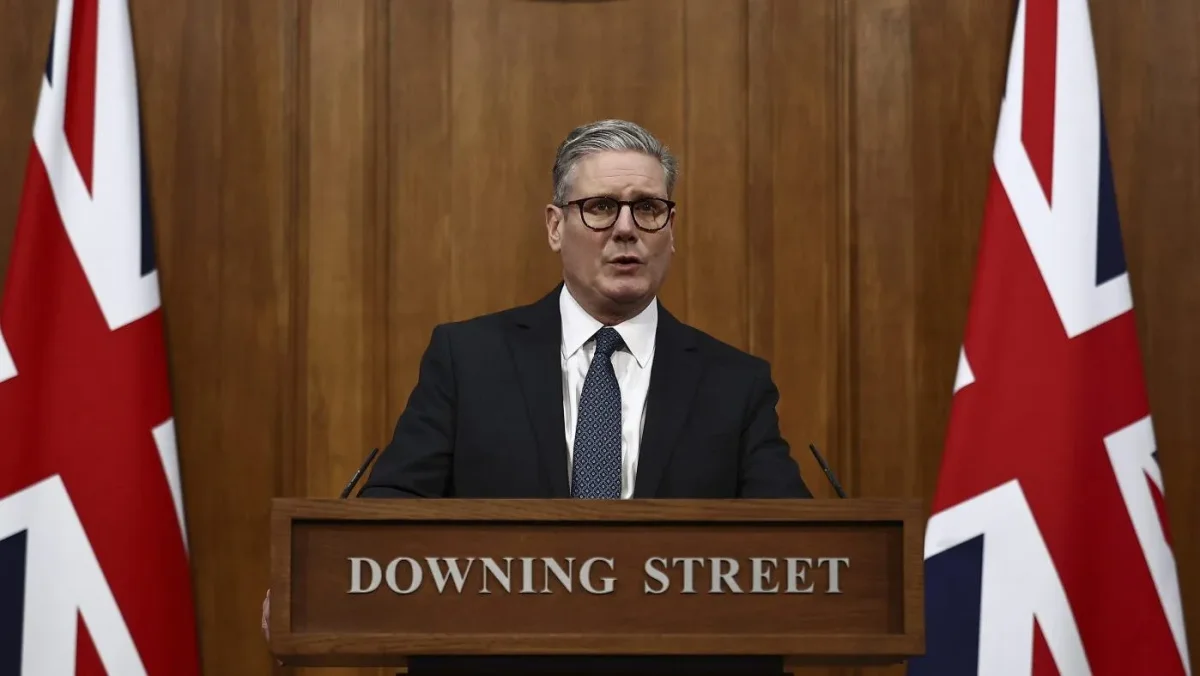
Later, we got Rishi Sunak. He was the UK Prime Minister for one year and nine months. He lost the 2024 general election badly. The reason was clear: the messy consequences of Brexit. After all these years, the Labour Party came into power, where Keir Starmer became the UK Prime Minister. However, he did not last long, as his tenure ended after one year and 11 months.
The vital flaw throughout these years was the inconsistent changes in leadership. After Boris Johnson, no one was able to stay in office for two years. Starmer is not believed to be a victim of Brexit, but the slow economic growth, trade frictions, and labour shortages are aftershocks of Brexit.
Party System Fragmentation
After Brexit, the biggest problem the UK faced, apart from the economic crisis, was the collapse of the party system. During recent elections, only two Prime Ministers won a majority: Boris Johnson in 2019 and Starmer in 2024. However, both saw their support erode quickly due to public disappointment. For the first time in years, we saw a clear division between the right conservative bloc (Conservatives and Reform UK) and the left liberal bloc (Labour, Liberal Democrats, Greens, and nationalists). One side was supported by older voters, while the other attracted younger voters, deepening the division.
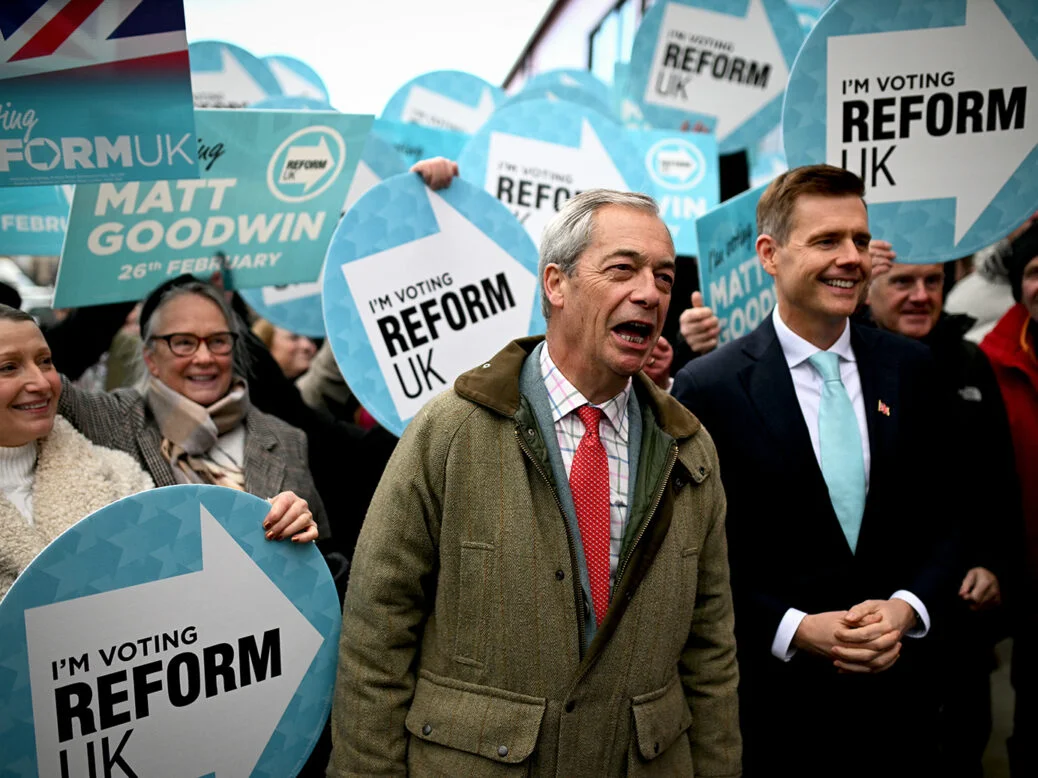
On top of that, the rise of Reform UK and nationalist parties put pressure on the two main parties. Meanwhile, these parties were struggling with backstabbing and internal rebellions. Both the Conservative and Labour parties faced a period of mistrust and a lack of party loyalty. This was also one of the reasons Starmer stepped down from the party leadership.
Weakened State Capacity & Centralization
Brexit exposed the old Westminster model (a strong central executive). It failed to consult the devolved governments in Scotland, Wales, and Northern Ireland, which worsened territorial tensions within the UK. The central system weakened as the devolved governments became more powerful than the central administration.
Throughout the different tenures, governments focused on surviving tense situations rather than solving the actual issues, such as productivity, housing, the NHS, and economic growth. The result was clear: the consistent fall of governments. Right now, the UK needs longer-term planning and development strategies. If the fall of PMs continues, things will get much worse. Some of the outcomes are frustration among the people, where anti-immigration and anti-racism protests are alarming. On the other side, the Scottish independence movement has been reignited. The Scottish National Party is frequently trying to hold a second independence vote after 2014, where staying with the UK was the decision, but they opposed Brexit. Northern Ireland is also facing post-Brexit trade regulations and border protocols with Great Britain. The political tension and economic friction are boiling over between the regions.
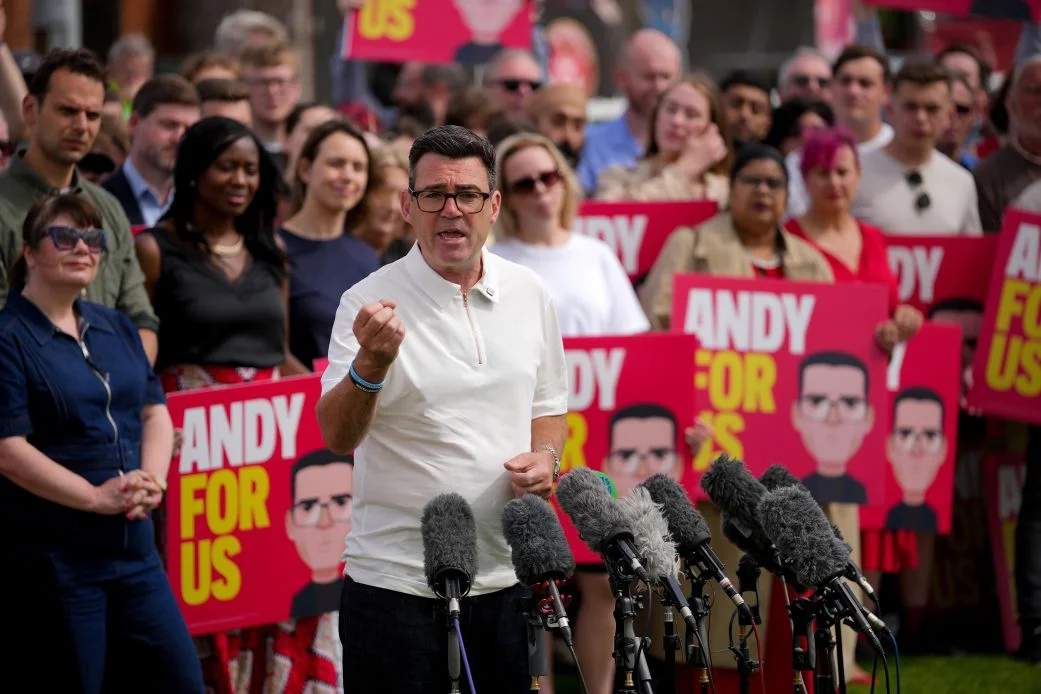
The situation for the new PM is not an ideal one. Right now, Starmer is still the PM of the UK. Right now, the Labour Party is in the process of selecting a new Prime Minister. For PM, the required number is 81 MPs. After the Labour Party leadership process, the official nomination begins in early July. If there is only one candidate, then by 17th July, a new Prime Minister of the United Kingdom will be elected.
The most expected name for the Prime Minister of the UK is Andy Burnham. He has been involved in national politics since 1994, won the MP election in 2001, and has served as Mayor of Greater Manchester for nine years. The 56-year-old politician is one of the old players in the Labour Party. But the vital question is whether he is going to be a game-changer for the UK or just one more name on the list of failed PMs.
What's Your Reaction?
 Like
0
Like
0
 Dislike
0
Dislike
0
 Love
0
Love
0
 Funny
0
Funny
0
 Wow
0
Wow
0
 Sad
0
Sad
0
 Angry
0
Angry
0

Muhammad Saad Ismail is a multimedia journalist and columnist with international experience across sports, politics, and digital media. His work spans multiple regions, including Europe, North America, and Africa, reflecting a strong global perspective in contemporary journalism. He began establishing his profile as a sports writer with World in Sports, where he produced match reports and tactical analyses covering football and cricket. Expanding into international media, he contributed as a sports journalist at MancSports, focusing on club-level football analysis, and later worked with Meer as an entertainment journalist, blending sports coverage with cultural and entertainment narratives. Alongside his reporting roles, Saad has held editorial responsibilities as Web Content Manager at The Hub Web , where he managed and published content across sports and entertainment while driving audience engagement through opinion-led journalism. Currently, he serves as a Political Journalist at The FLUC, producing research-driven commentary on global politics and public policy. In parallel, he works as an NBA correspondent for Verticality Sports, delivering analytical coverage, feature stories, and performance breakdowns centered on league trends and key storylines. With a foundation in Mass Communication and professional training from institutions such as Al Jazeera, Reuters, and the Press Council of Pakistan, Saad combines traditional reporting skills with modern multimedia expertise. His work is defined by analytical depth, cross-platform storytelling, and a commitment to informed, impactful journalism.














Comments (0)