

Back to the Moon: How NASA's Artemis Program is Shaping the Future of Space Exploration
This article explores NASA’s Artemis program and its mission to return humans to the Moon. It highlights the goals of Artemis II, the diverse astronaut crew, the advanced technology behind the Space Launch System and Orion spacecraft, and the importance of international cooperation. From testing deep‑space systems to inspiring future generations, the Artemis missions mark a new chapter in space exploration and preparation for journeys to Mars.
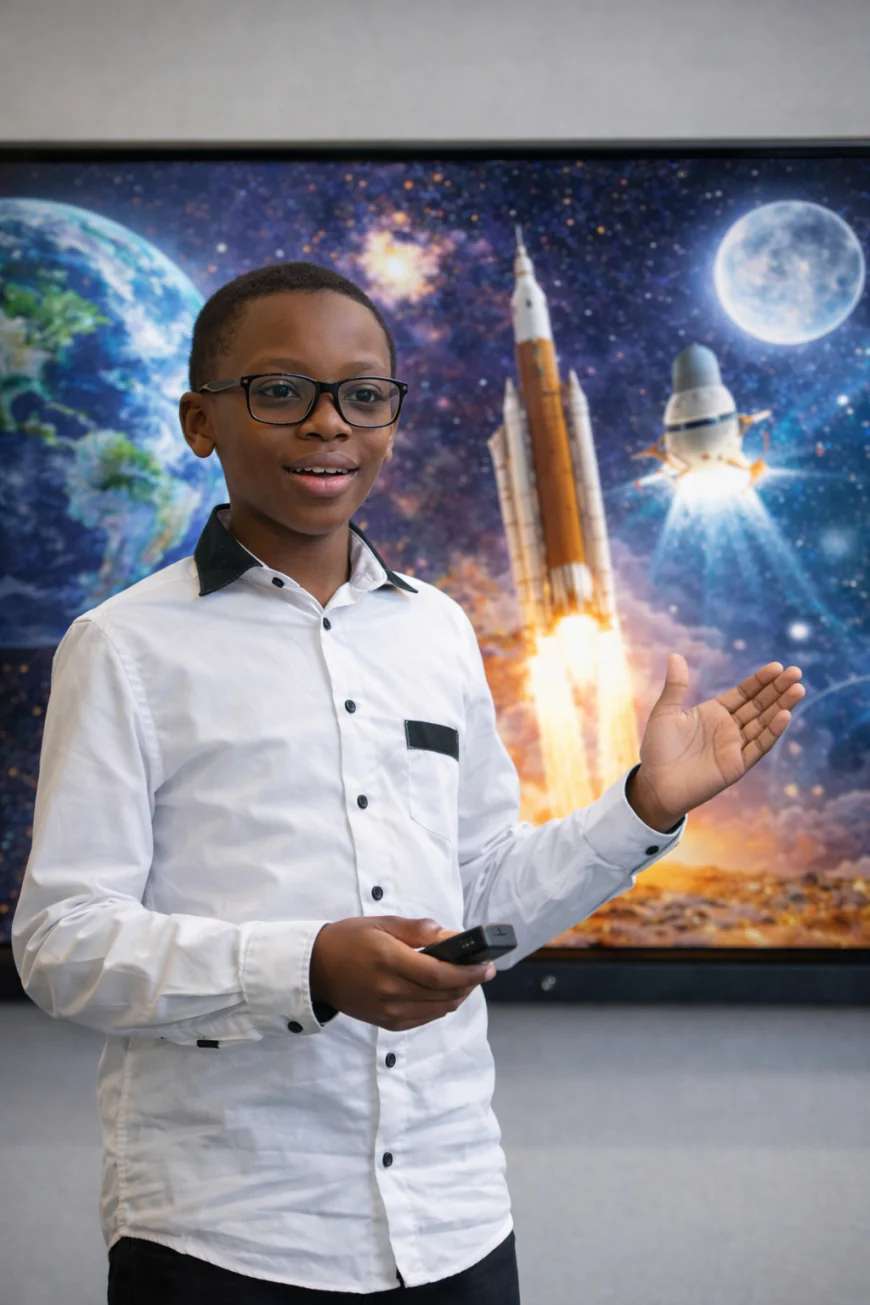
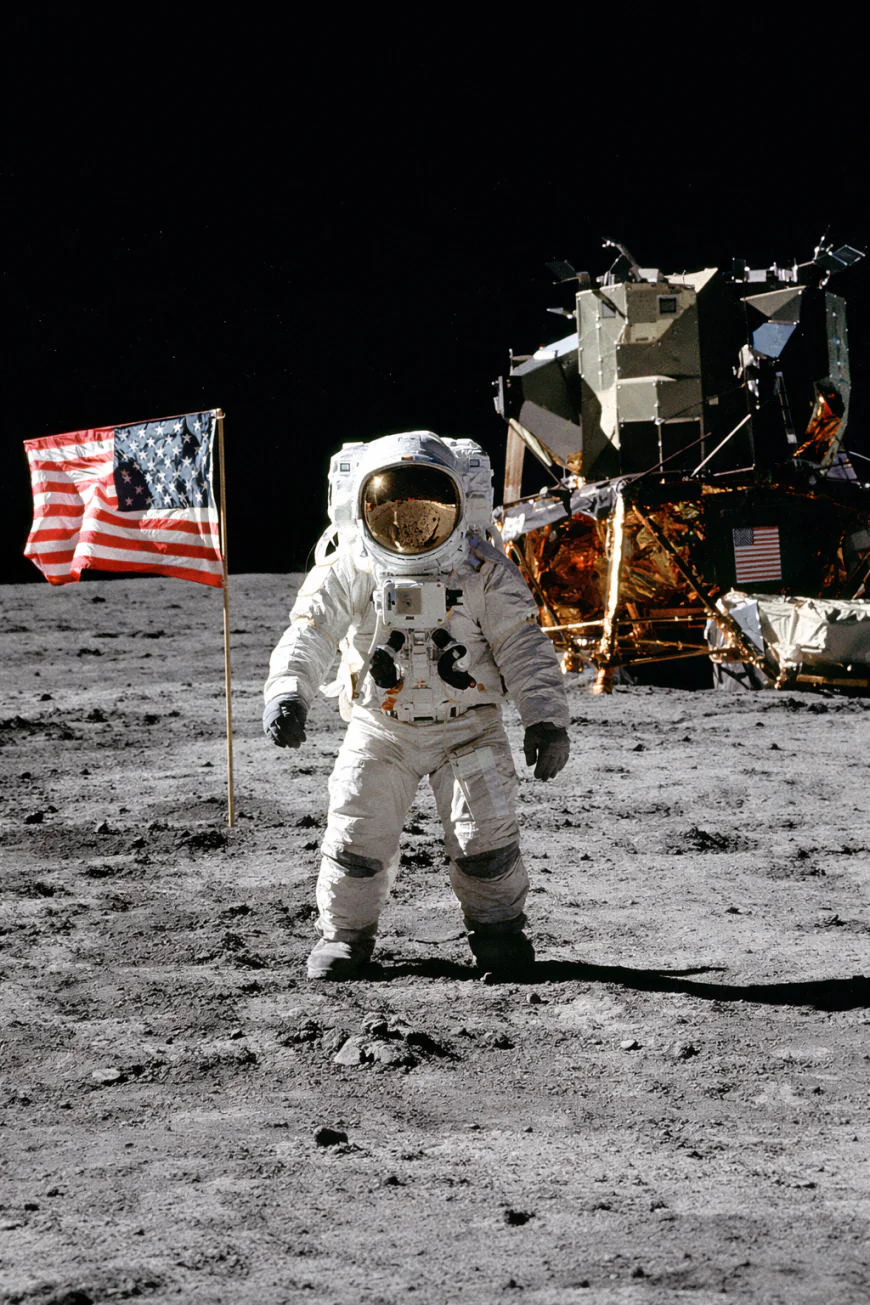
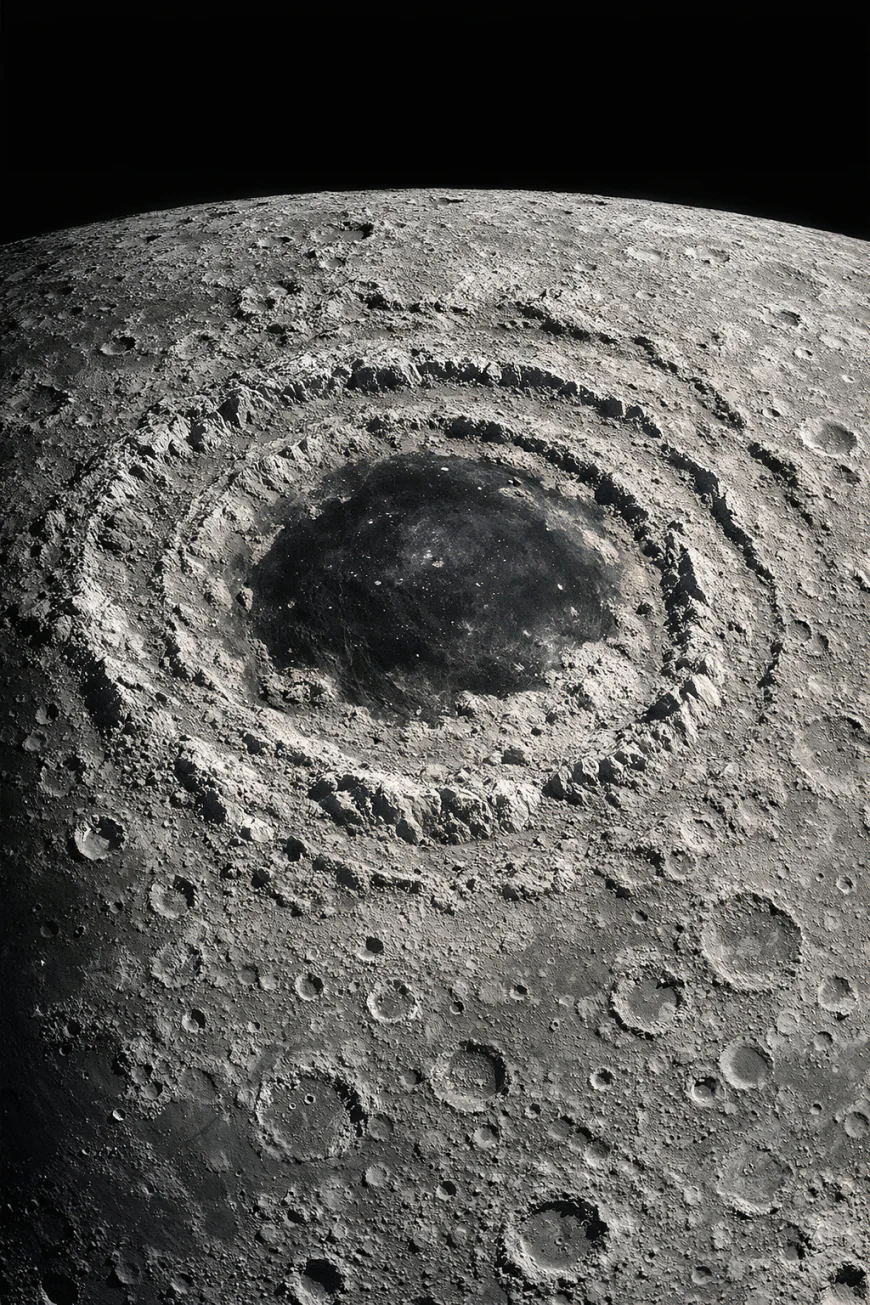
The Artemis program is designed to send astronauts back to the Moon. Artemis II is one of the missions in this program. It is named after Artemis, the Greek goddess of the Moon and the twin sister of Apollo. This name connects the mission to the Apollo program, which first landed humans on the Moon in 1969. Returning to the Moon today is important because it allows scientists to explore new regions and test advanced technology. The mission is also a global topic because many countries are involved and people around the world are interested in space exploration. The main goal of Artemis is to land humans on the Moon and create a sustainable presence. This means astronauts will stay longer and continue research over time. Unlike Apollo, the Artemis missions focus on longterm exploration.
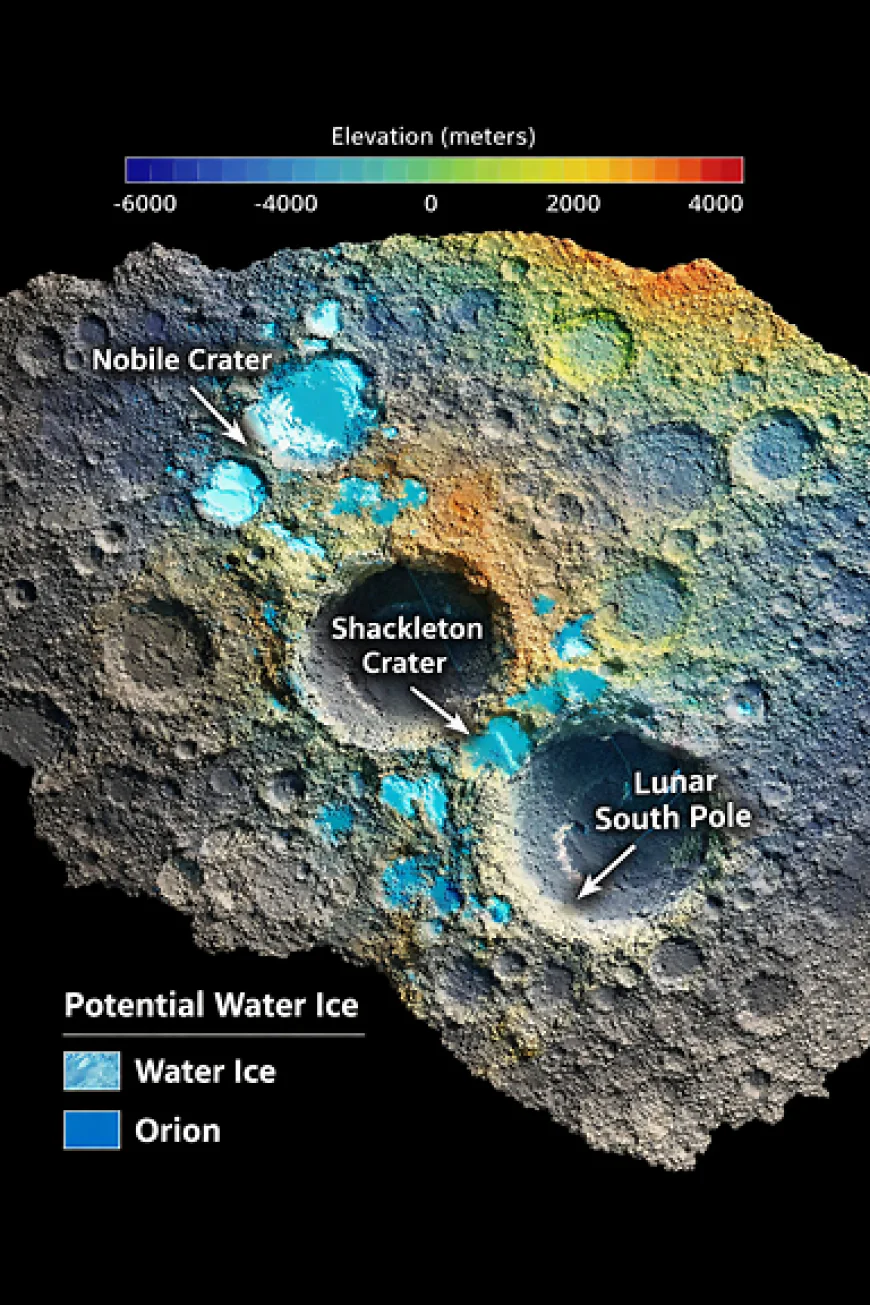
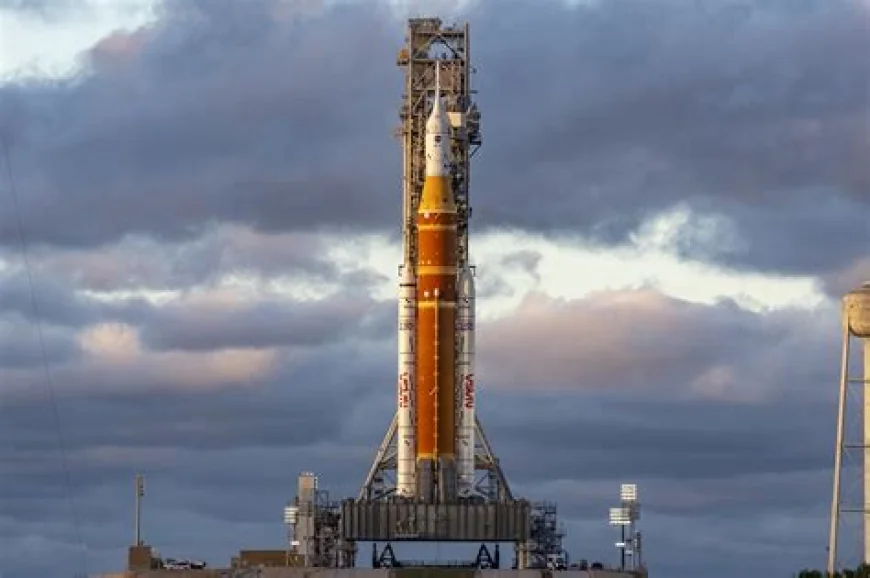
NASA plans to use the Moon as a training ground for future missions to Mars. The Moon’s South Pole is especially important because it may contain water ice. This resource can be used for drinking water, oxygen, and even fuel, making space missions more efficient. The Artemis program uses advanced technology. The Space Launch System (SLS) is a powerful rocket designed to carry astronauts and cargo into deep space, while the Orion spacecraft is used to transport astronauts safely to the Moon and back. Artemis I was an uncrewed test mission that successfully demonstrated the capabilities of the SLS and Orion. Artemis II, launched in April 2026 from Kennedy Space Center in Florida, USA, carried astronauts around the Moon and tested Orion’s systems in deep space. Artemis III aims to land astronauts on the Moon’s surface, including the first woman and the first person of color.
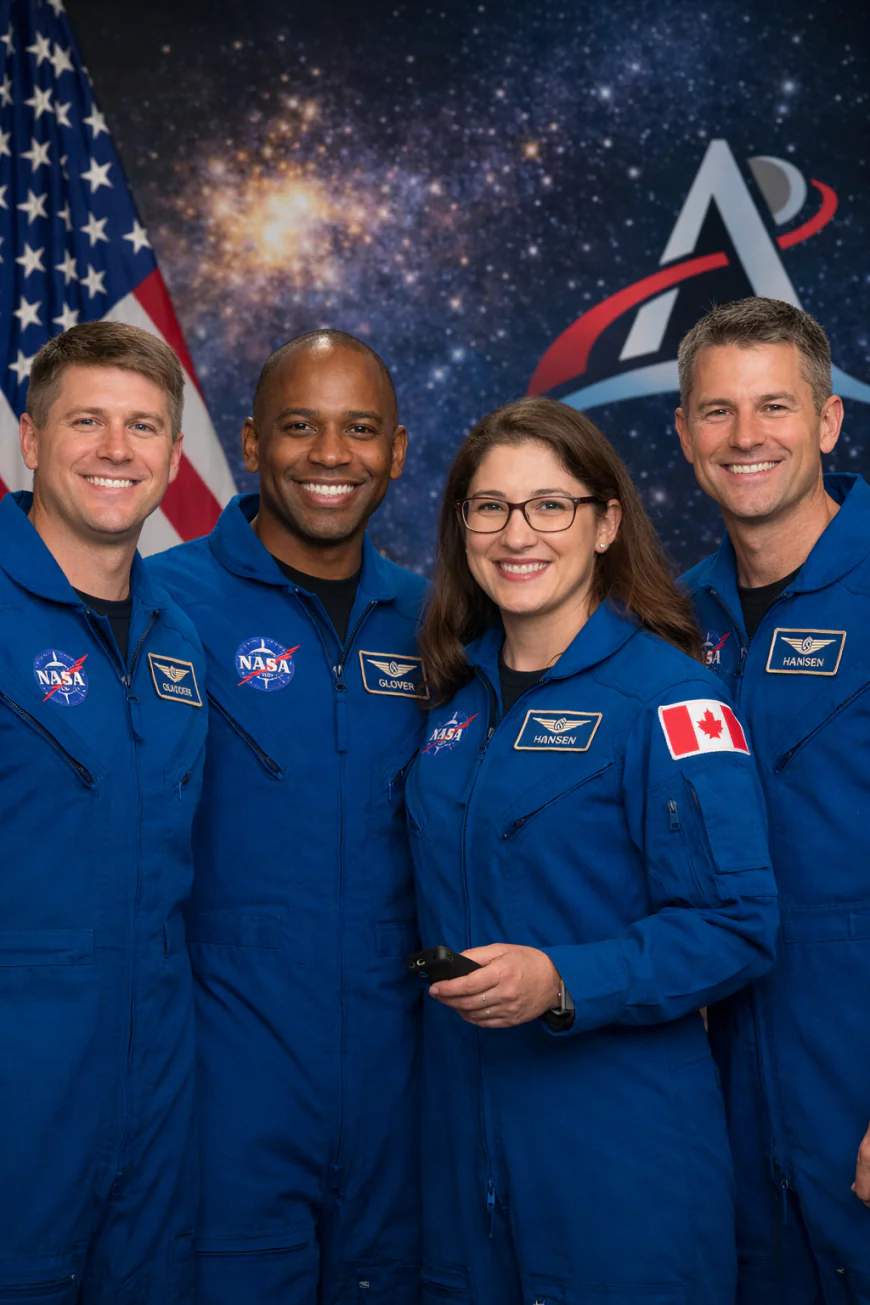
Victor Jerome Glover Jr is an American naval officer, test pilot, and astronaut. He was one of the astronauts selected for Artemis II and served as the mission’s pilot. The full crew included Reid Wiseman (commander), Christina Koch (mission specialist), Jeremy Hansen (mission specialist from the Canadian Space Agency), and Victor Glover (pilot). Their participation is important because it represents progress in diversity and inclusion in space exploration. NASA has promised that Artemis III will land the first woman and the first person of color on the Moon. This is significant because it promotes equality and can inspire people from different backgrounds to pursue careers in science and technology. The Artemis missions also include international partners such as Canada, Japan, and European countries. This cooperation helps share knowledge, reduce costs, and strengthen the mission.
The Artemis missions involve many challenges, which include radiation, extreme temperatures, and long periods away from Earth. Deep space travel also carries risks such as equipment failure. However, there are also many opportunities. The Space Launch System rocket is more powerful than previous rockets, allowing for greater exploration. According to NASA, the presence of water on the Moon could support life and help produce fuel for future missions. Artemis II and III can inspire young people to study science and technology and to think about careers in space exploration.
In an interview with Mrs. Salimata Sakho, Director of extracurricular activities at IF La Tulipe, she explained that humans will learn more about the Moon given that space technology has advanced greatly since the last times we went there. She added that the mission may not benefit everyday life directly, but it will benefit the space research sector.
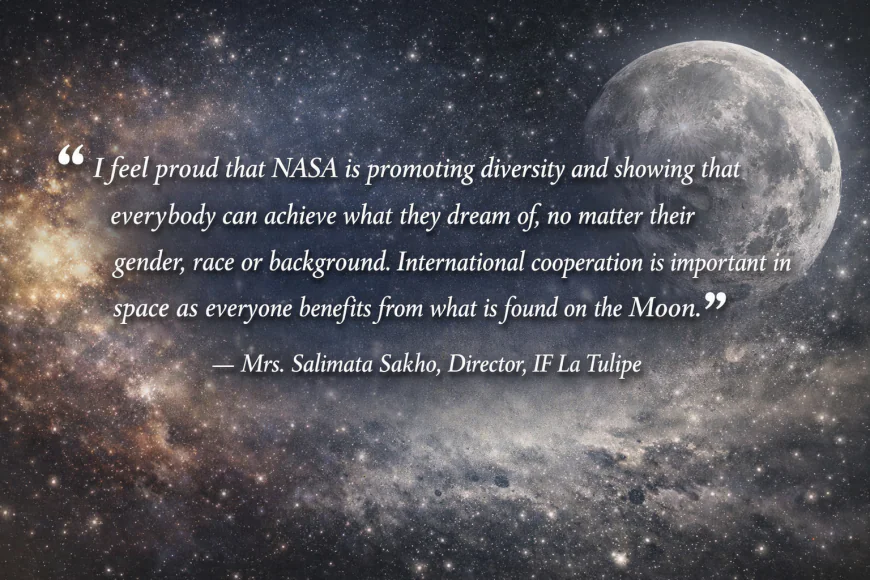
“I feel proud that NASA is promoting diversity and showing that everybody can achieve what they dream of, no matter their gender, race or background. International cooperation is important in space as everyone benefits from what is found on the Moon,” she said. Personally, Mrs. Salimata believes that the Artemis II mission is not worth the price. The $4 billion being used for the project could fund education for the underprivileged or feeding the homeless. She stressed that if she had the chance she wouldn’t go to the Moon as she is not qualified or interested.
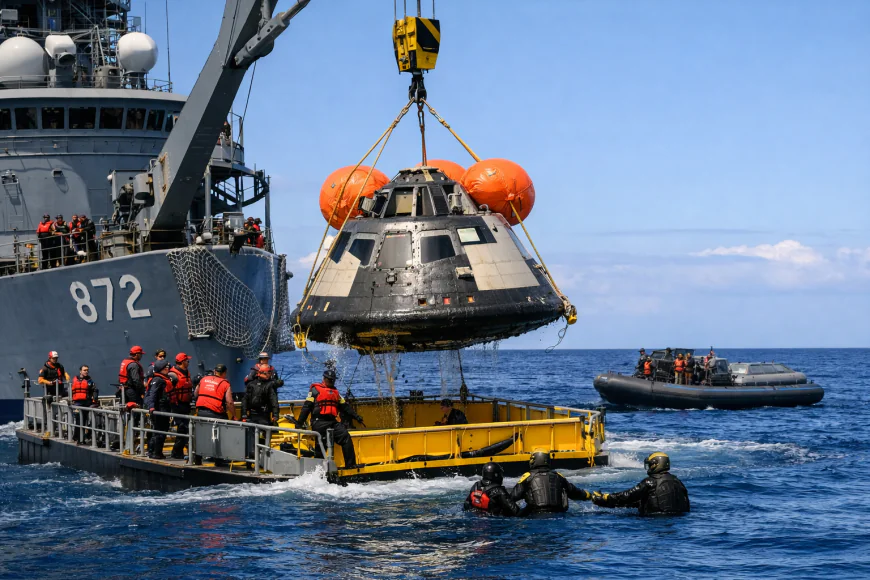
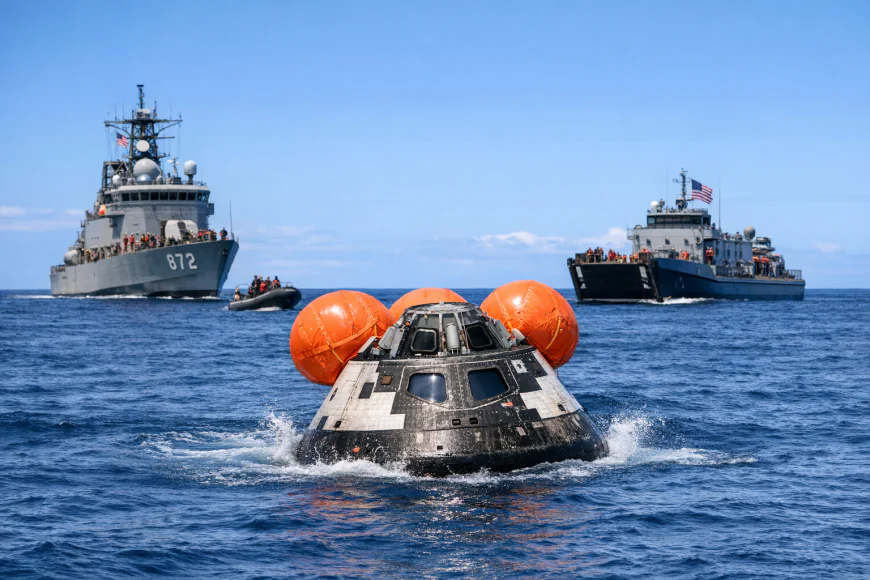
During Artemis II, scientists made daily observations by collecting data on radiation, temperature, speed, and how the Orion spacecraft worked in space. The mission began with the Space Launch System, which launched in stages and reached very high speed to leave Earth. The spacecraft’s speed changed during the trip and became extremely fast during reentry. Inside Orion, the temperature stayed safe, but outside it changed from very cold in space to extremely hot during reentry. The mission lasted about 10 days and traveled over 800,000 km. Before returning, astronauts had to prepare by sitting safely and checking systems. They also faced challenges like heat, high speed, and short communication loss. The return ended with a splashdown in the Pacific Ocean, where recovery teams were ready. This stage is the most important because it must be done safely after such a long journey.
Splashdown, which means landing in water after coming back from space, is very important because it is the final step of the mission. The Orion spacecraft prepares by using parachutes to slow down and systems to float safely. Ocean recovery teams play a big role by finding the spacecraft, helping astronauts, and bringing the capsule back safely. Safety measures like parachutes, heat shields, and flotation devices protect the crew during landing. International partners help by tracking the spacecraft and supporting communication. They work together with NASA to make sure the splashdown and recovery are successful.
Altimately, the Artemis Mission shows how far science and technology have advanced. From launch to splashdown, every step is carefully planned to keep missions safe and successful. The testing of the Orion spacecraft proves that humans can travel farther into space than before. This mission is not only about going back to the Moon, but also about preparing for future journeys, like going to Mars. It brings countries together and creates new opportunities for discovery and learning. Overall, Artemis inspires young people to dream big, explore science, and become part of the future of space exploration.

Credit: Imran Coulibaly (Cosmic Columnist/Leaders International Academy)
What's Your Reaction?
 Like
1
Like
1
 Dislike
0
Dislike
0
 Love
1
Love
1
 Funny
0
Funny
0
 Wow
1
Wow
1
 Sad
0
Sad
0
 Angry
0
Angry
0

A PAN AFRICAN CRUSADER


















Comments (0)