

Kremlin Rejects European and Ukrainian Edits to U.S. Peace Proposal Amid Ongoing Talks
Russia has rejected recent changes made by European countries and Ukraine to a U.S.-backed peace proposal aimed at ending the war in Ukraine, saying the revisions do not improve the prospects for peace. Kremlin foreign policy aide Yuri Ushakov said the amendments weaken the original proposal and make a long-term settlement less likely, reflecting Moscow’s view that Western involvement is complicating negotiations. While U.S. envoys describe ongoing talks with Russian counterparts as constructive, deep disagreements remain over territorial control, security guarantees, and the structure of any future peace deal. As fighting continues on the ground, the latest exchange highlights how far apart the parties still are, despite renewed diplomatic efforts.
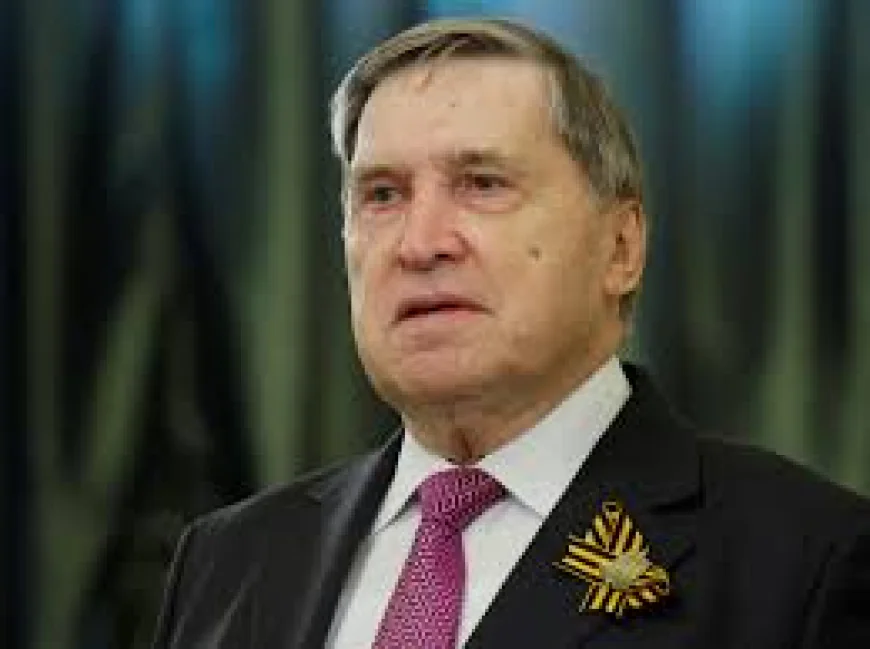
Kremlin Says European and Ukrainian Revisions to US Peace Plan 'Do Not Improve'Prospects for Ending Ukraine War
Efforts to end the nearly four-year war in Ukraine have hit a fresh diplomatic snag, with the Kremlin dismissing amendments proposed by European powers and Ukraine to a U.S.-drafted peace plan. Moscow says the revisions do not improve the chances of achieving peace, underlining persistent disagreement over how or whether the conflict can be resolved through negotiation.
Russia’s Response to Revised Peace Proposals
Russia’s top foreign policy aide, Yuri Ushakov, told reporters in Moscow that changes made by European countries and Ukraine to a U.S.-drafted peace proposal “definitely do not improve the document” or the likelihood of a long-term peace settlement. He added that he had not seen all of the revised proposals on paper but maintained confidence in his assessment.
Ushakov’s remarks reflect Moscow’s long-standing view that Western nations are pushing terms that are unacceptable to Russia. The Kremlin argues that European conditions risk scuttling the peace process rather than strengthening it.
What’s in the Peace Plan?
The peace framework at the center of the debate was originally drafted by U.S. officials as part of an effort to end the conflict sparked by Russia’s invasion in February 2022, the deadliest war in Europe since World War II. The exact text of the latest draft has not been publicly released, but earlier reporting suggests the plan covers about 20 points involving ceasefire arrangements, security guarantees, and the shape of a post-war settlement.
European and Ukrainian negotiators have been working with U.S. envoys, including special U.S. peace envoy Steve Witkoff and Jared Kushner, to adjust the peace plan in ways they believe make it fairer and more sustainable. These discussions have taken place in settings such as Florida as part of broader diplomatic talks.
European and Ukrainian Goals
For Ukraine and its European partners, the priority is a peace framework that:
-
Respects Ukraine’s sovereignty and territorial integrity
-
Includes security guarantees to prevent future aggression
-
Ensures international enforcement mechanisms to support any agreement
Ukrainian officials have also expressed conditional support for possible three-way talks involving the U.S., Ukraine, and Russia particularly if they help secure humanitarian outcomes like prisoner exchanges though Russia says the idea is not being seriously pursued.
Ongoing Negotiations with the U.S.
Despite Moscow’s rejection of the recent revisions, diplomatic engagement continues. U.S. envoys have described talks with Russian representatives in Miami as “productive and constructive,” even as major differences remain. The discussions form part of a broader U.S.-led initiative to shape a peace framework, though Russia’s insistence on keeping territories it currently holds complicates progress.
Why This Matters
The Kremlin’s comments highlight the deep diplomatic fault lines that persist even as negotiations continue:
-
Russia wants any peace deal to account for territorial gains it has made since 2022.
-
Ukraine and Europe oppose concessions that undermine Ukraine’s sovereignty or reward military aggression.
This clash of core principles makes diplomatic compromise difficult, and Moscow’s dismissal of the revised proposal suggests a breakthrough is still distant.
As long as these fundamental disagreements over territory, security guarantees, and how peace should be structured remain unresolved, expectations for a near-term peace deal are limited.
Sources:
Reuters/GMA Network
What's Your Reaction?
 Like
0
Like
0
 Dislike
0
Dislike
0
 Love
0
Love
0
 Funny
0
Funny
0
 Wow
0
Wow
0
 Sad
0
Sad
0
 Angry
0
Angry
0

Shirley Ama Acquah Content Creator | Copywriting Specialist | Digital Content Strategist A dynamic storyteller with a sharp editorial eye, I craft compelling content that engages audiences and drives meaningful conversations. With a background in [persuasive writing, digital media,social media marketing], I specialize in high-impact copywriting, from SEO-driven articles and persuasive marketing copy to in-depth entertainment reviews and trend analysis. My work bridges creativity and strategy, whether dissecting the latest streaming trends, developing brand narratives, or optimizing content for maximum reach. I don’t just write; I create experiences that resonate with readers and convert casual viewers into loyal followers. Key Strengths: ✔ Versatile Content Creation (blogs, scripts, social media, SEO) ✔ Entertainment & Pop Culture Analysis (TV, film, streaming trends) ✔ Brand & Audience-First Writing (tone-adaptive, platform-optimized) ✔ Data-Informed Storytelling (analytics meets creativity) Let’s collaborate or connect: [amaboah23@gmail.com]












Comments (0)