

Fugu Trends: President Mahama Must Be a Proud Daddy Now
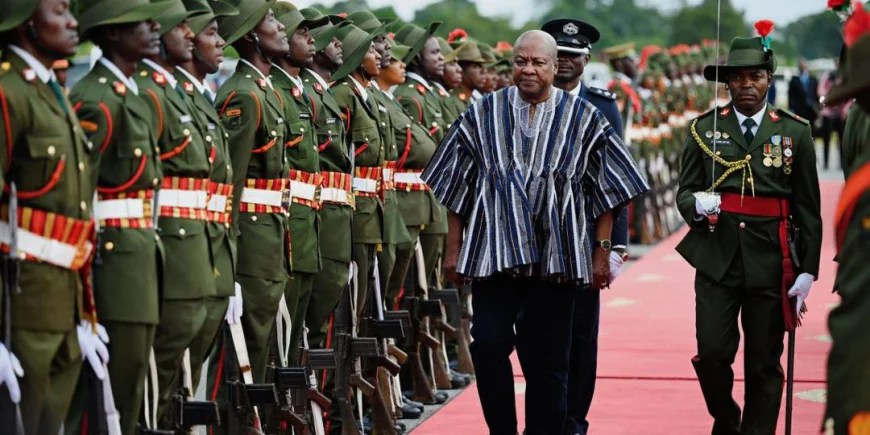
President John Dramani Mahama’s fugu outfit in Zambia sparked a viral cultural moment, reigniting Ghanaian pride, unity, and Africa-to-Africa admiration beyond politics.
When social media hears “inter-country beef,” the mind usually runs to familiar territory: Ghana vs Nigeria,Jollof wars, accent banter, who copied who but nobody — absolutely nobody had fashion diplomacy on their 2025 bingo card.
When President John Dramani Mahama landed in Zambia for bilateral talks wearing fugu, the internet paused, zoomed in, refreshed timelines and then… erupted.Not because of politics or policy.But because culture showed up uninvited and stole the spotlight.
When Zambians entered the chat, they screamed “Our President has won blouse.” That was when Ghanaians collectively replied, “For here, you don’t joke.”
What followed wasn’t outrage, it was pride.Timelines didn’t flood with think pieces or political arguments. Instead, Ghana answered with fugu selfies. Young people pulled out smocks from weddings. Old photos of grandfathers in bingba resurfaced. Designers tagged their work. Cultural historians dropped facts casually in comment sections like receipts.
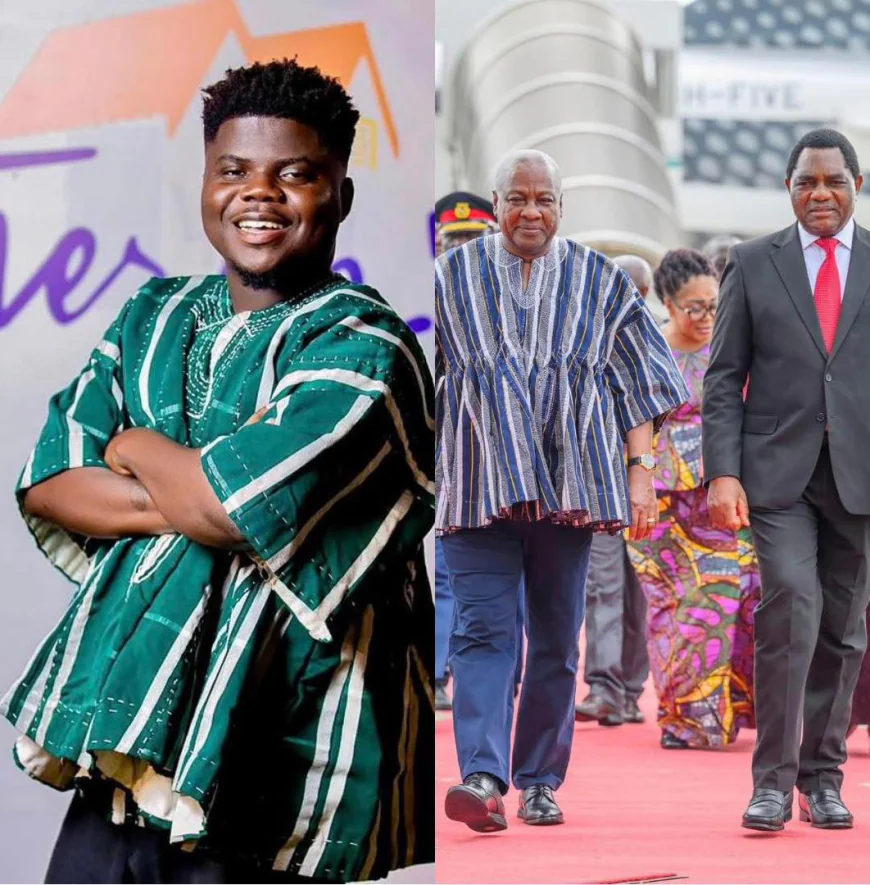
Then the big names joined in.Wode Maya proudly rocked fugu for the world to see.
The Ashanti Regional Minister stepped out in full authority.
Even the European Union delegation in Ghana among others jumped on the wave.
What Mahama wore was not “just clothes”
The African fugu, known in Asante Twi as batakari traces its roots to Northern Ghana. Among the Dagombas, it is called bingba. The word fugu itself is believed to come from a Moshi term simply meaning cloth. History has it that in the 19th century, Ashanti warriors wore fortified versions of the batakari into battle. It was cotton layered with leather pouches and metal cases holding talismans believed to offer spiritual protection against bullets.
So when that cloth walked into a Zambian airport in 2025, it wasn’t fashion,It was memoy and identity.
What has this moment really taught us?
1. National Identity Is Alive
Ghanaians didn’t need convincing. One visual cue was enough. Our culture still lives in us — quietly waiting to be called.
2. Unity Beyond Ethnicity
Fugu may originate from Northern Ghana, but the pride was national. No “that’s not my tribe.” Just our cloth.
3. Soft Power Is Real Power
One outfit did more for Ghana’s image than a thousand speeches. Respect was earned, not demanded.
4. Africa Can Admire Africa
Zambia’s response proved something important: African countries don’t always have to compete. Sometimes, we can simply celebrate each other.
So Yes… Mahama Must Be Smiling.If nations were children, that day Ghana showed good home training.A president wore culture with confidence.A neighboring country responded with humor and citizens answered with pride, creativity, and unity.
That wasn’t just a fashion moment.That was a national character revealed. So the next time someone asks what Ghana stands for, don’t overexplain.Just show them the fugu.
What's Your Reaction?
 Like
0
Like
0
 Dislike
0
Dislike
0
 Love
0
Love
0
 Funny
0
Funny
0
 Wow
0
Wow
0
 Sad
0
Sad
0
 Angry
0
Angry
0

Roberta Gayode Modin is a freelance blogger and broadcast journalist driven by curiosity and real stories. I blend creative writing with sharp journalism to break down big national issues and make them relatable. From agriculture to the arts, I focus on the human side of every story, using media as a tool to inform, inspire, and spark change.













Comments (0)