

Ghana Ranked 10th Most Politically and Economically Stable Country in Africa
Ghana has been ranked the 10th most politically and economically stable country in Africa according to the Africa Country Instability Risk Index (ACIRI) 2025, underscoring its reputation as one of West Africa’s most resilient democracies.

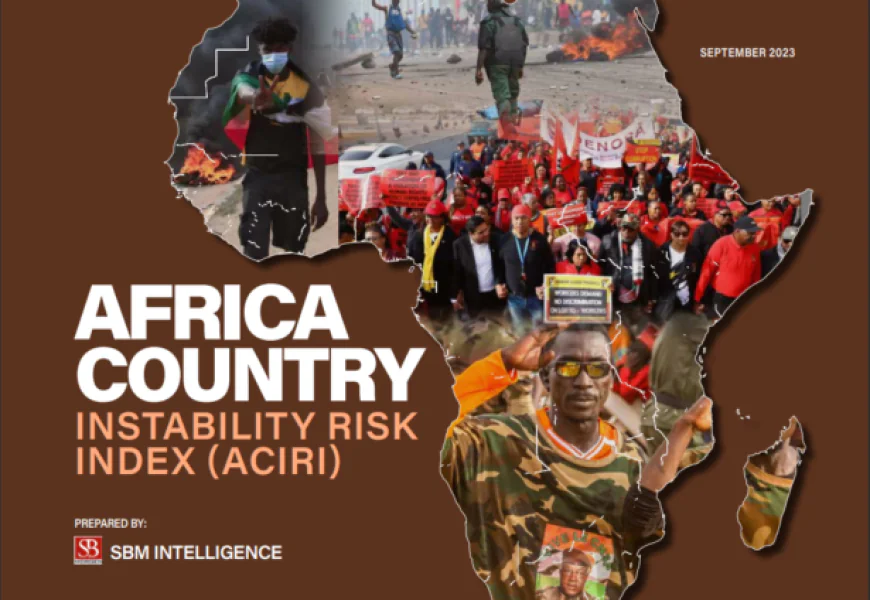
Ghana has been ranked the 10th most politically and economically stable country in Africa according to the Africa Country Instability Risk Index (ACIRI) 2025, underscoring its reputation as one of West Africa’s most resilient democracies.
The index evaluates 48 sub-Saharan African countries annually, measuring risks across leadership and governance (40%), economy (30%), geopolitics (15%), and history (15%). Countries are classified into categories ranging from Safe to Red Watch, based on aggregate risk scores. Ghana was placed in the “Stable” category, outperforming many of its regional peers.
Why Ghana Ranked High
Democratic Rule: Since transitioning from military rule in 1992, Ghana has maintained peaceful transfers of power, respected term limits, and consolidated multi-party democracy.
Strong Institutions: Robust civil society, free media, and effective democratic institutions have helped prevent democratic backsliding.
Economic Stability: Ghana’s economy, driven by gold, cocoa, and oil, remains resilient despite global volatility. The government’s new 24-Hour Economy strategy aims to boost productivity and job creation.
Civil Society Engagement: Active participation from civil society groups has strengthened accountability and governance.
Ghana ranks behind Cape Verde, Liberia, and Senegal in West Africa but ahead of larger neighbors like Nigeria, which has faced coup rumors and subsidy protests. Compared to 2024, Ghana registered modest gains in 2025, highlighting incremental improvements in governance and economic resilience.
Persistent risks remain in areas such as leadership, governance, and security, particularly in regions vulnerable to jihadist insurgencies. International observers, including Freedom House and Varieties of Democracy, have cautioned against potential democratic backsliding. The upcoming constitutional review, led by Professor H. Kwasi Prempeh, will test how effectively civil society can influence governance reforms.
What's Your Reaction?
 Like
0
Like
0
 Dislike
0
Dislike
0
 Love
0
Love
0
 Funny
0
Funny
0
 Wow
0
Wow
0
 Sad
0
Sad
0
 Angry
0
Angry
0


















Comments (0)