

Hijacked in Plain Sight: Inside Ghana's WhatsApp and Facebook Scam Machine
Social media in Ghana has long been a space for connection, commerce and community. But beneath the emojis, voice notes and friendly check-ins, a darker ecosystem is thriving; one powered not by complex code, but by deception. These story has identified these systemic metering and exposes their practices, therefore informing users to be careful in be on guard.


By Bright T. Terkpernor
Social media in Ghana has long been a space for connection, commerce and community. But beneath the emojis, voice notes, and friendly check-ins, a darker ecosystem is thriving; one powered not by complex code, but by deception.
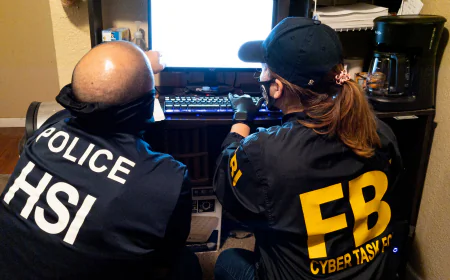
Across WhatsApp and Facebook, scammers are exploiting trust, urgency and familiarity to hijack accounts, weaponise identities and traumatise victims. One careless click or phone call can be enough to hand over an entire digital life.
Ama (not her real name) remembers the moment her WhatsApp account was taken over.
"He called and asked if I was part of the WASSCE group, " she said.
The question sounded harmless. Trusting the caller, she dialled a code he dictated over the phone. Within minutes, her account was gone.
"No one lost money, but because he used my number, people were also hacked through me," she admitted.
It took 24 hours and WhatsAp's two-step verification process before she regained control. By then, the damage had spread.
"If I had acted earlier, this wouldn't have happened," she reflected.
According to cybersecurity expert Charles Yao-Koge, Ama's experience is no longer unsual.
"Scammers today don't need any technical brilliance or set-up a hacking environment to break into your account. All they do is to deceive and manipulate you into handing over the key to your own account."
When Social Media Turns Against You
WhatsApp is not the only battleground. Fcaebook, with its deeper integration into personal and professional lives, can be even more brutal when compromised.
One victim, who asked to remain anonymous, lost control of his Facebook account earlier this year. Almost immediately, hackers flooded his timeline with pornographic content.
"Some people unaware that my account was hacked started drawing all kinds of conclusions about me," he recalled.
The reputational damage was instant. Friends, family, and business contacts saw the posts before he could explain. He shut the account down entirely to contain the fallout.
"Now I'm very careful... I don't know when they might approach my business account," he said.
Experts say this kind of sabotage is deliberate.
"Most attackers want shock value. Nude posts, promotional spams, or fraudulent broadcasts are tools to embarrass victims, push them into silence, or force them to negotiate. It's a psychological warfare."
Yao-Koge added that the motivation behind these attacks vary. He also noted that most of these scammers do this for "fame, money making, and political activities."
The emotional toll is often underestimated. Victims report anxiety, stress and social stigma. Ama's hacked account became a launchpad to target her contacts. The Facebook victim saw his credibility questioned overnight. These activities are still on the rise.
Yet many choose silence.
Fear of embarrassment or further reputational harm keeps victims from reporting attacks, allowing scammers to continue unchecked. For those who do seek help, recovery is often slow and exhausting, reinforcing a sense of helplessness.
The Human Weak Point
These attacks are not random. They rely on social engineering, manipulating people into surrendering access themselves.
Scammers impersonate school officials, friends, colleagues or institutions. They create urgency. They sound familiar. And they strike when users are distracted or trusting.
One wrong call or click can unleash a chain reaction: phishing messages sent to contacts, malware links circulated, more accounts hijacked.
"The technology itself is not always the weak point," Yao-Koge explained. "Human behaviour is predictable, and scammers exploit that predictability."
The scale of the problem is growing. The Cyber Security Authority (CSA) reports a sharp rise in WhatsApp account takeovers in its 2024 annual report, affecting students, professionals and business owners alike.
In 2024, unauthorised access to people's accounts stood at 20%, while information disclosure accounted for about 7%, according to the CSA report. The figures may appear modest, but experts warn they mask deeper harm.
Yao-Koge estimates that around four million social media users across Africa experienced some form of hacking in 2024, with Ghana recording roughly 8,000 cases.
"$5 million is been lost annually due to WhatsApp hijacking in Ghana," Yao-Koge recounted.
Despite this, reporting remains low.
"It is because we are not being vigilant and as a result, these WhatsApp and Facebook accounts hacking is spreading so fast... and it's pace is very worrying," Yao-Koge revealed.
Cybersecurity specialists say prevention is still the strongest defence. Enable two-step verification. Use strong, unique passwords. Avoid dialling codes or clicking links from unknown sources. Regularly review privacy and security settings. Report suspicious activity immediately.
In furtherance, avoid oversharing of personal data on profiles, saying hackers often rely on publicly available information to target victims.
"So, WhatsApp gives you options of who can see and not see your acitivities in its private settings," Kojo (not his real name), a Digital Security Analsyt added.
"Question everything, and never act on urgency alone, be vigilant," Charles advised.
As Ghana's digital footprint expands, so too does its exposure. The stories of Ama and the Facebook victim are cautionary tales of how easily trust can be turned into a weapon.
Social media remains powerful, transformative and indispensable. But in the battle between convenience and security, only vigilance stands between connection and exploitation.
What's Your Reaction?
 Like
0
Like
0
 Dislike
0
Dislike
0
 Love
0
Love
0
 Funny
0
Funny
0
 Wow
0
Wow
0
 Sad
0
Sad
0
 Angry
0
Angry
0

An efficient and confident investigative freelance journalist, a gifted writer and a proficiency in digital security. Also, expert in research and fact checking. Very hardworking and observant young man. An effective leader and problem solver. Here are some links to my work done in Ghana: https://thefourthestategh.com/2025/11/power-for-sale-inside-the-ecgs-shadow-economy/ https://www.fact-checkghana.com/muntakas-claim-on-road-crashes-fire-service-attended-to-in-2025-first-half-false/ https://www.myjoyonline.com/patriotism-the-missing-driving-force-in-ghanas-development/













Comments (0)