

A New Chapter in US–Iran Relations? Analysing the Hypothetical 2026 Peace Agreement and Its Global Impact
After more than 40 years of hostility, a proposed US–Iran peace agreement signals a dramatic shift in global politics. But could diplomacy deliver lasting peace where military confrontation has repeatedly fallen short?
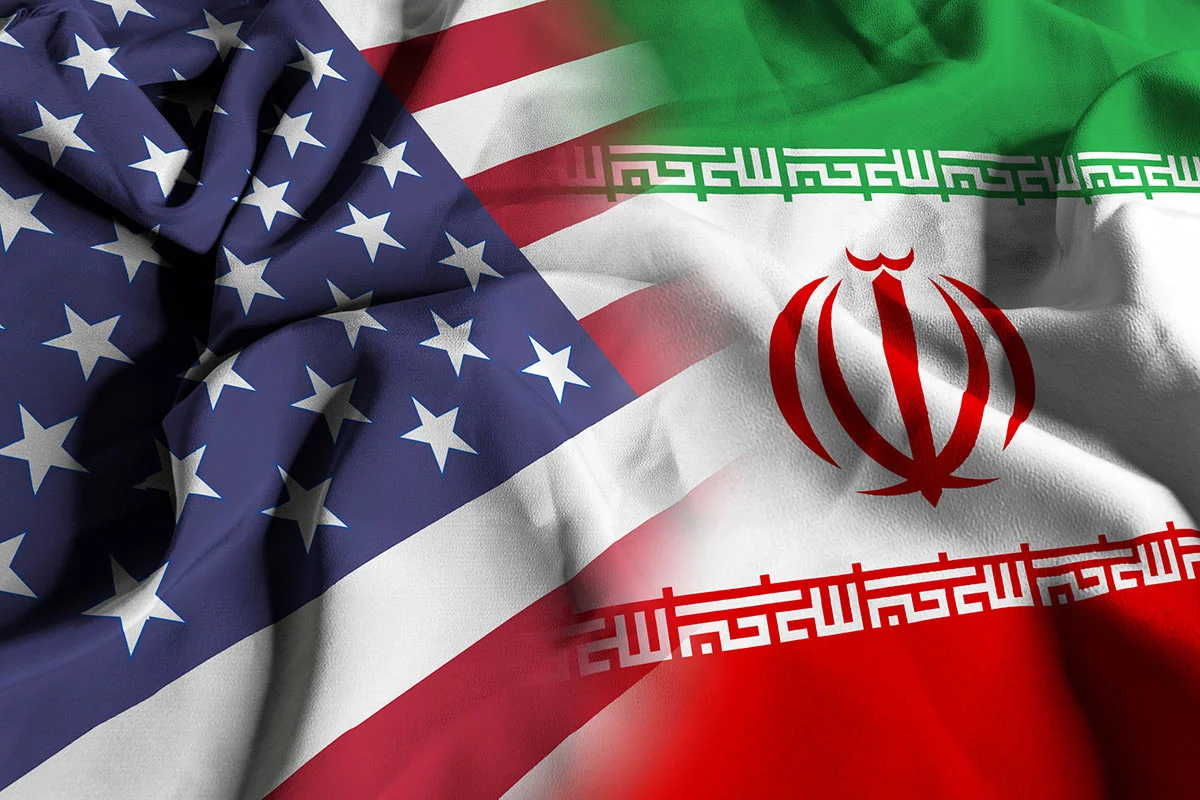
For over four decades, relations between the United States and Iran have been defined by hostility, sanctions, proxy conflicts, and diplomatic stalemate.
Since the 1979 Iranian Revolution, the two nations have remained ideological rivals, with disputes surrounding Iran's nuclear programme, regional influence, and military activities contributing to instability across the Middle East.
While diplomatic breakthroughs have been rare, the hypothetical 2026 peace agreement between Washington and Tehran represents a significant departure from decades of confrontation.
According to reports by The Guardian, CNBC, and Al Jazeera, the agreement centres on limiting Iran's nuclear programme in exchange for sanctions relief, economic cooperation, and renewed international engagement.
Although presented as a hypothetical scenario, the proposed deal offers an opportunity to examine how diplomacy could reshape regional security, international relations, and the global economy.
The Road to Negotiations
The path towards the proposed agreement was shaped by years of escalating tensions.
Following the United States' withdrawal from the Joint Comprehensive Plan of Action (JCPOA) in 2018, relations deteriorated rapidly as economic sanctions intensified and Iran gradually expanded its uranium enrichment activities.
According to The Guardian (2026), military confrontation appeared increasingly likely after a series of regional attacks, cyber operations, and direct exchanges between Iran, Israel, and US forces.
The hypothetical agreement emerged after renewed diplomatic efforts supported by Gulf states seeking regional stability. As Al Jazeera argues, countries including Saudi Arabia, Qatar, and the United Arab Emirates increasingly favoured pragmatic diplomacy over prolonged military escalation, recognising that continued conflict threatened regional economic development and energy security.
Rather than pursuing further confrontation, Gulf governments reportedly encouraged negotiations that balanced security concerns with long-term economic interests.
International relations scholars have long argued that diplomacy becomes more likely when prolonged conflict imposes significant political and economic costs on all parties.
Robert Putnam's (1988) theory of "two-level games" suggests that international agreements succeed when governments balance domestic political pressures with international negotiation, while Keohane and Nye (1977) emphasise that economic interdependence encourages cooperation even between ideological rivals.
The hypothetical peace agreement reflects these theoretical perspectives by illustrating how mutual strategic interests could outweigh decades of political hostility.
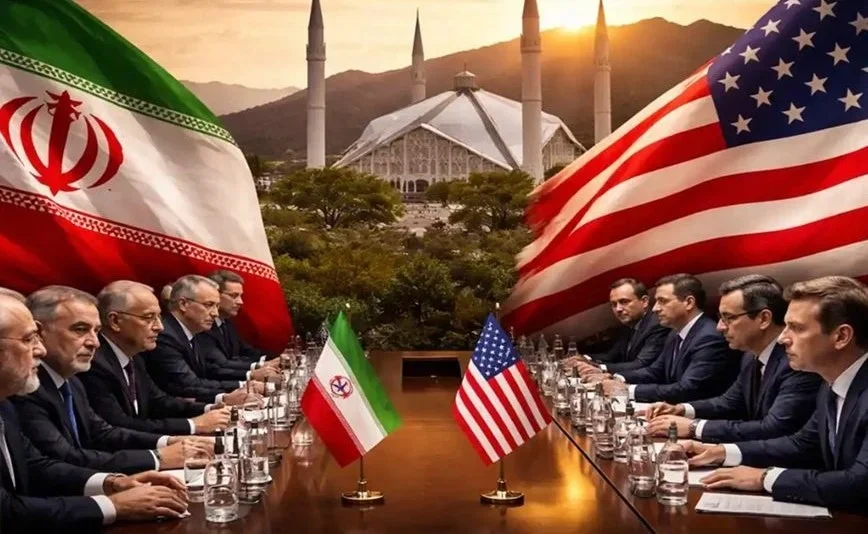
What Happened?
According to CNBC, the proposed agreement grants international inspectors renewed access to Iran's nuclear facilities while placing additional restrictions on uranium enrichment.
In return, the United States would ease selected economic sanctions, allowing Iran greater access to international financial markets and foreign investment. The agreement also includes commitments to continue diplomatic dialogue, reduce military escalation, and establish mechanisms for future verification.
Unlike previous negotiations, this framework focuses not only on nuclear compliance but also on broader regional stability.
The Guardian reports that the agreement reflects a shift towards confidence-building measures designed to reduce the risk of direct military conflict between Iran, the United States, and their regional allies.
One notable aspect of the scenario is the changing role of Gulf Arab states. Al Jazeera suggests that rather than supporting continued military pressure, several Gulf governments acted as diplomatic facilitators, recognising that long-term economic diversification depends upon regional peace.
Their support represents an important shift in Middle Eastern geopolitics, where diplomacy increasingly complements traditional security alliances.
While critics remain sceptical about Iran's long-term compliance, supporters argue that robust inspection mechanisms provide greater transparency than continued diplomatic isolation. Nuclear verification has historically formed the foundation of international non-proliferation efforts, with organisations such as the International Atomic Energy Agency (IAEA) playing a central role in monitoring compliance (IAEA, 2023).
Global Impact
The hypothetical agreement carries significant implications extending well beyond the Middle East.
Perhaps the most immediate consequence concerns global energy markets.
Iran possesses one of the world's largest oil and natural gas reserves, and any easing of sanctions would likely increase global energy supply. Greater Iranian exports could reduce upward pressure on oil prices, benefiting energy-importing economies while contributing to greater market stability.
For European countries seeking to diversify energy supplies following recent geopolitical disruptions, renewed access to Iranian energy resources could provide additional strategic flexibility.
The agreement could also strengthen international nuclear non-proliferation efforts. Scholars argue that negotiated verification frameworks often produce greater long-term security than military intervention alone (Sagan, 1996).
By restoring inspections and limiting uranium enrichment, the proposed deal demonstrates how diplomacy can reduce proliferation risks while avoiding large-scale armed conflict.
Economically, sanctions relief could allow Iran to reconnect with global financial institutions, encouraging foreign investment, infrastructure development, and international trade. Increased economic integration aligns with liberal international relations theory, which suggests that greater commercial interdependence reduces incentives for interstate conflict (Keohane & Nye, 1977).
The agreement may also reshape diplomatic relationships across the Middle East. According to Al Jazeera, Israel's military strategy could face increased scrutiny as Gulf partners prioritise regional stability over confrontation. While security concerns surrounding Iran would remain, the emergence of broader diplomatic engagement may reduce the likelihood of direct interstate conflict.
For the United States, the hypothetical agreement demonstrates the continuing importance of diplomacy as a foreign policy instrument. Rather than relying exclusively on military deterrence, negotiated settlements may enhance American influence while reducing the financial and political costs associated with prolonged regional conflict.
However, challenges remain considerable. Verification mechanisms require sustained political commitment from all parties, while changes in domestic leadership within either country could threaten implementation. Trust between Washington and Tehran remains fragile after decades of mutual suspicion, making long-term compliance dependent upon continued diplomatic engagement.
Final Thoughts
Although hypothetical, the proposed 2026 US–Iran peace agreement illustrates the transformative potential of diplomacy in one of the world's most volatile regions.
By combining nuclear verification, sanctions relief, and renewed political dialogue, the agreement offers an alternative to decades of confrontation and military escalation. Its broader implications—including regional stability, global energy security, strengthened non-proliferation efforts, and renewed international cooperation—highlight the interconnected nature of modern geopolitics.
Whether such an agreement could ultimately succeed would depend not only upon political leadership but also upon sustained international cooperation, effective verification, and continued commitment from regional stakeholders.
Nevertheless, the scenario serves as a compelling reminder that even long-standing adversaries may find common ground when strategic interests align, reinforcing the enduring role of diplomacy in addressing complex global challenges.
References
Keohane, R. O., & Nye, J. S. (1977). Power and Interdependence: World Politics in Transition. Boston: Little, Brown.
Putnam, R. D. (1988). Diplomacy and domestic politics: The logic of two-level games. International Organization, 42(3), 427–460.
Sagan, S. D. (1996). Why do states build nuclear weapons? Three models in search of a bomb. International Security, 21(3), 54–86.
What's Your Reaction?
 Like
0
Like
0
 Dislike
0
Dislike
0
 Love
0
Love
0
 Funny
0
Funny
0
 Wow
0
Wow
0
 Sad
0
Sad
0
 Angry
0
Angry
0

I’m a freelance writer with a passion for business, lifestyle, and opinion pieces that explore culture, trends, and real-world insights. I bring a perspective that blends professional knowledge with cultural awareness, drawing on my experience in real estate and a keen interest in South Asian lifestyle and culture. I hold a Master’s in Popular Music Practice, and outside of writing, I enjoy playing the flute and reading about philosophy and psychology. I love crafting engaging, thought-provoking stories and am always excited to pitch fresh ideas or take on features that connect communities, trends, and the bigger picture.















Comments (0)