

Middle East Tensions Reinforce Asia's Shift Towards Biofuels and Energy Security
As geopolitical tensions expose Asia's dependence on imported oil, countries across the region are accelerating investments in biofuels, renewable energy and electric transport to strengthen energy security and reduce vulnerability to future supply shocks.
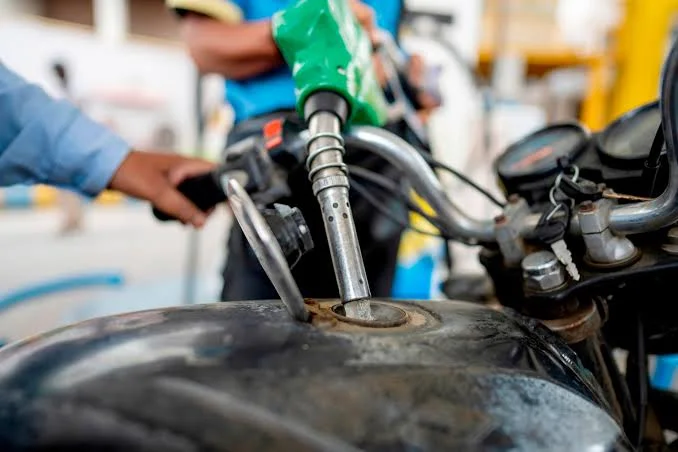
Geopolitical tensions in the Middle East have once again exposed the vulnerability of Asia's energy supply chains, reinforcing efforts across the region to reduce dependence on imported fossil fuels.
Although oil markets stabilised after the most acute phase of the Iran-Israel conflict, the disruption served as a stark reminder of how quickly geopolitical events can affect fuel prices, inflation and economic growth across Asia.
Rather than viewing the conflict as a temporary shock, governments across the region are accelerating investment in ethanol, biodiesel, renewable electricity and electric vehicles to improve long-term energy security.
Asia's Dependence on Middle Eastern Energy
Asia imports the majority of its crude oil from the Middle East. According to the U.S. Energy Information Administration (EIA), around 20 million barrels of oil per day—approximately 20% of global petroleum consumption—passes through the Strait of Hormuz, making it one of the world's most strategically important maritime chokepoints.
Around 84–89% of this oil is destined for Asian markets, with China, India, Japan and South Korea accounting for the majority of imports.
During the escalation of hostilities involving Iran in 2026, fears over potential disruptions to shipping routes caused oil prices and shipping insurance costs to rise sharply. Although a prolonged closure of the Strait of Hormuz did not materialise, the episode highlighted how vulnerable Asian economies remain to geopolitical instability.
The International Energy Agency (IEA) warned that "a significant spike in oil prices would be inevitable and physical shortages would quickly develop if the disruption were to be prolonged."
Energy Security Takes Centre Stage
The conflict reinforced a trend that had already begun following the COVID-19 pandemic and Russia's invasion of Ukraine. Rather than relying solely on imported fossil fuels, Asian governments are pursuing diversified energy strategies that combine biofuels, renewable energy, battery storage, nuclear power and electric transport.
The IEA has argued that governments should combine supply-side measures with demand reduction, fuel diversification and greater efficiency to reduce exposure to future oil market shocks.
India Accelerates Ethanol Expansion
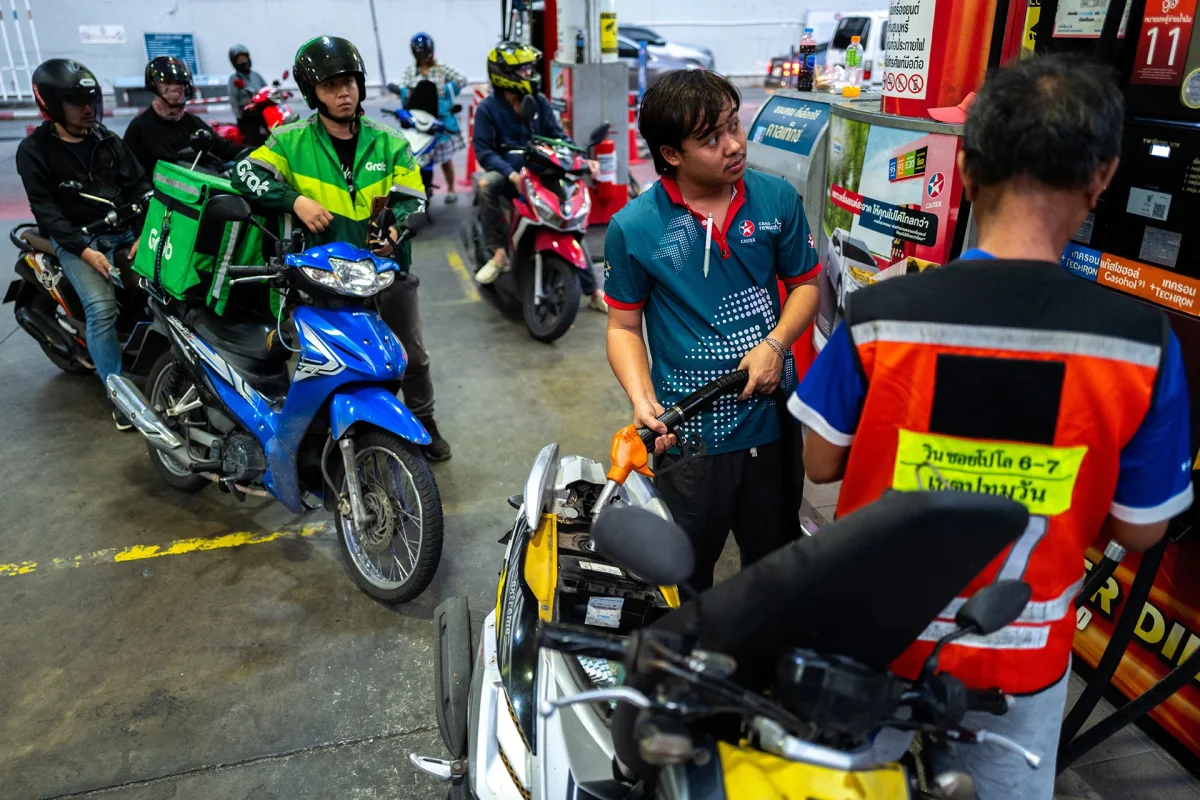
India, the world’s third-largest oil importer, was among the countries most exposed. The country imports more than 85% of its crude oil needs, making it highly sensitive to global price volatility.
Its Ethanol Blended Petrol (EBP) programme has expanded dramatically, with ethanol blending rising from 1.5% in 2014 to almost 20% nationwide by 2026. According to India's Ministry of Petroleum and Natural Gas, the programme has:
-
Displaced 181 lakh metric tonnes of crude oil;
-
Saved more than ₹1.06 lakh crore in foreign exchange;
-
Reduced carbon dioxide emissions by approximately 544 lakh metric tonnes;
-
Generated over ₹87,500 crore in income for farmers through ethanol feedstock procurement.
Speaking at the ISMA SugarNXT 2026 conference, Food Secretary Sanjeev Chopra said, "India achieved its E20 target ahead of schedule."
He added that the programme had already saved the country an estimated US$19.8 billion in foreign exchange, highlighting ethanol's growing role in India's energy security strategy.
Industry analysts now view ethanol not only as a climate policy but also as a strategic reserve capable of reducing dependence on imported petroleum during periods of geopolitical uncertainty.
Southeast Asia Expands Biodiesel
Indonesia continues to strengthen its biodiesel programme using palm oil, with the government aiming to increase blending levels beyond the current mandate as part of its broader energy sovereignty agenda.
President Prabowo Subianto has stated, "we are going in a big way to biofuel."
The policy aims to reduce diesel imports while supporting Indonesia's domestic agricultural sector, although environmental groups continue to raise concerns regarding land use and deforestation associated with expanded palm oil production.
Thailand and Vietnam have also expanded ethanol blending programmes. Vietnam plans nationwide distribution of E10 petrol, while Thailand has extended incentives for E20 fuel to encourage greater consumer adoption.
Beyond Biofuels
The recent Middle East crisis has accelerated investment far beyond liquid biofuels.
China continues to lead the world in renewable energy deployment, while India, Vietnam and Indonesia are rapidly expanding solar generation, battery storage and electric vehicle manufacturing. Governments are also increasing investment in strategic petroleum reserves and LNG import diversification to reduce future supply risks.
Rather than replacing oil with a single alternative, policymakers are pursuing a diversified energy mix designed to improve resilience against geopolitical disruption.
Economic Impact
Higher energy prices contributed to increased transportation costs, manufacturing expenses and inflation across much of Asia. Shipping companies faced higher insurance premiums for vessels operating in the Gulf, while energy-intensive industries—including aviation, logistics and chemicals—experienced rising operating costs.
For developing economies such as Pakistan, Bangladesh and the Philippines, higher fuel import bills also placed additional pressure on government finances and trade balances.
A Turning Point for Energy Policy
Although the Iran-Israel conflict did not trigger the prolonged global energy crisis initially feared by markets, it reinforced an important lesson for policymakers: energy security has become inseparable from economic security.
As the IEA noted, governments must prepare for future disruptions through greater diversification, improved efficiency and stronger domestic energy production.
For Asia, that means biofuels are increasingly valued not only for reducing emissions but also for strengthening national resilience. Countries with strong agricultural sectors—including India, Indonesia and Thailand—are positioning ethanol and biodiesel as strategic tools that reduce import dependence while supporting rural economies.
The latest geopolitical tensions have therefore accelerated a transition already underway. Across Asia, governments are investing in cleaner and more diversified energy systems designed to withstand future geopolitical shocks, making energy resilience one of the defining policy priorities of the decade.
What's Your Reaction?
 Like
0
Like
0
 Dislike
0
Dislike
0
 Love
0
Love
0
 Funny
0
Funny
0
 Wow
0
Wow
0
 Sad
0
Sad
0
 Angry
0
Angry
0

I’m a freelance writer with a passion for business, lifestyle, and opinion pieces that explore culture, trends, and real-world insights. I bring a perspective that blends professional knowledge with cultural awareness, drawing on my experience in real estate and a keen interest in South Asian lifestyle and culture. I hold a Master’s in Popular Music Practice, and outside of writing, I enjoy playing the flute and reading about philosophy and psychology. I love crafting engaging, thought-provoking stories and am always excited to pitch fresh ideas or take on features that connect communities, trends, and the bigger picture.















Comments (0)