

Beyond Ronaldo: Why Portugal's World Cup Dream Ended Against Spain
Portugal's World Cup journey came to a disappointing end with a Round of 16 defeat to Spain, marking what could be Cristiano Ronaldo's final appearance in a Portugal shirt. While much of the attention has focused on Ronaldo's farewell, Portugal's exit exposed deeper issues. The team lacked a clear attacking identity, tactical consistency, and overall cohesion. Questions over Roberto Martínez's decisions, squad management, and Portugal's direction have now taken center stage. As a new era begins under a different coach, Portugal must address these shortcomings before the next major international challenge.
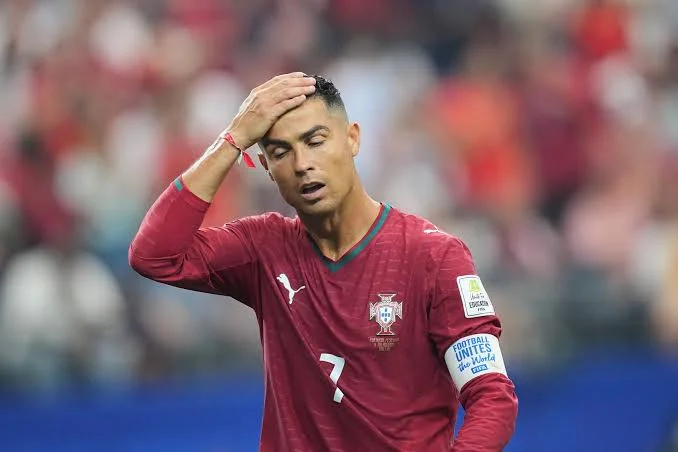
Portugal lost the Round of 16 game against Spain. A long-lasting revenge for Spain after losing the Nations League to Portugal. But this game was more than a vengeance for someone. It was the final time Cristiano Ronaldo stepped on the field in the red jersey. With the defeat, the dream and era of one of the finest footballers we have witnessed ended.
But the question is not about Cristiano. The question is why Portugal lost. One of the world's best midfields felt like an easy venture for Spain. The core defense just felt like a sponge in front of the strikers. And finally, the question we all need answered is why Cristiano did not get as many chances as other stars do. A world-class attack with Bruno, Rafael, and João Félix failed to find the net.
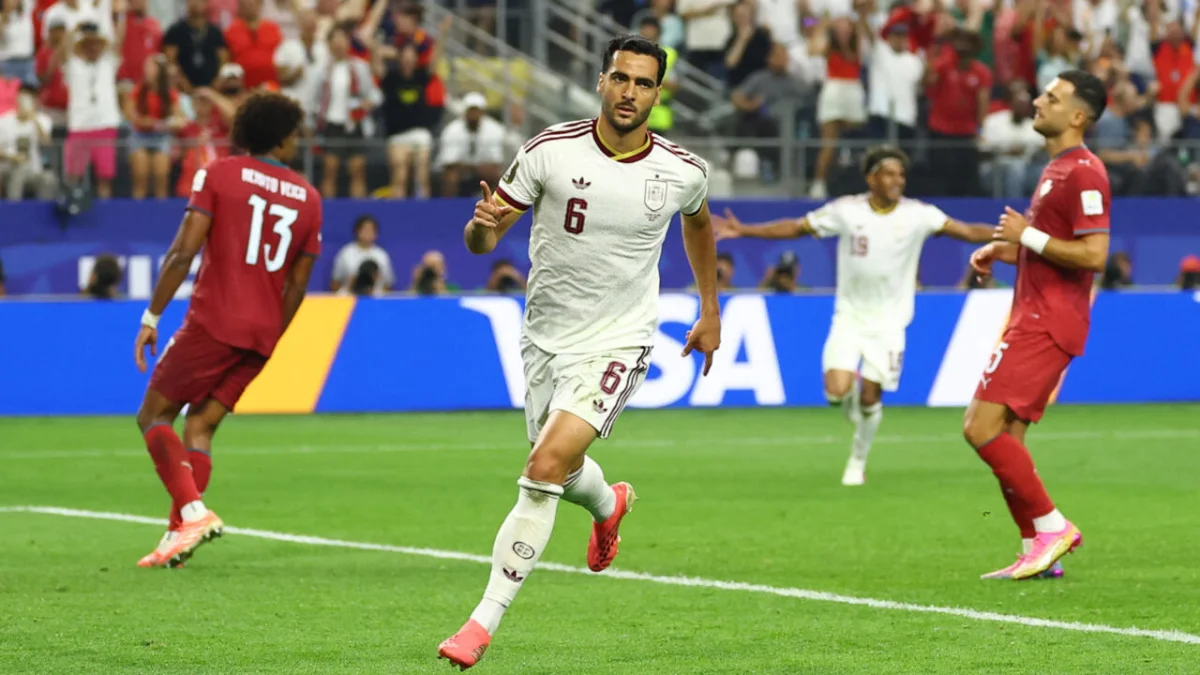
A Team Split From Within
The major issue for Portugal was ego clashes. It was visible that there were two groups in Portugal. One side clearly supported Cristiano, along with a few others, and the other opposed him. João Neves's interview is one of the key examples showing how highly CR7 was regarded within the team. For a moment, if we compare Cristiano's Portugal with Messi's Argentina, the difference will be obvious. For sure, Messi is the biggest star on the team with fame and achievements. But what makes Argentina a strong candidate is the combination.
The team revolves around Messi. Social media is flooded with videos where the whole team waits for Messi before entering the field.
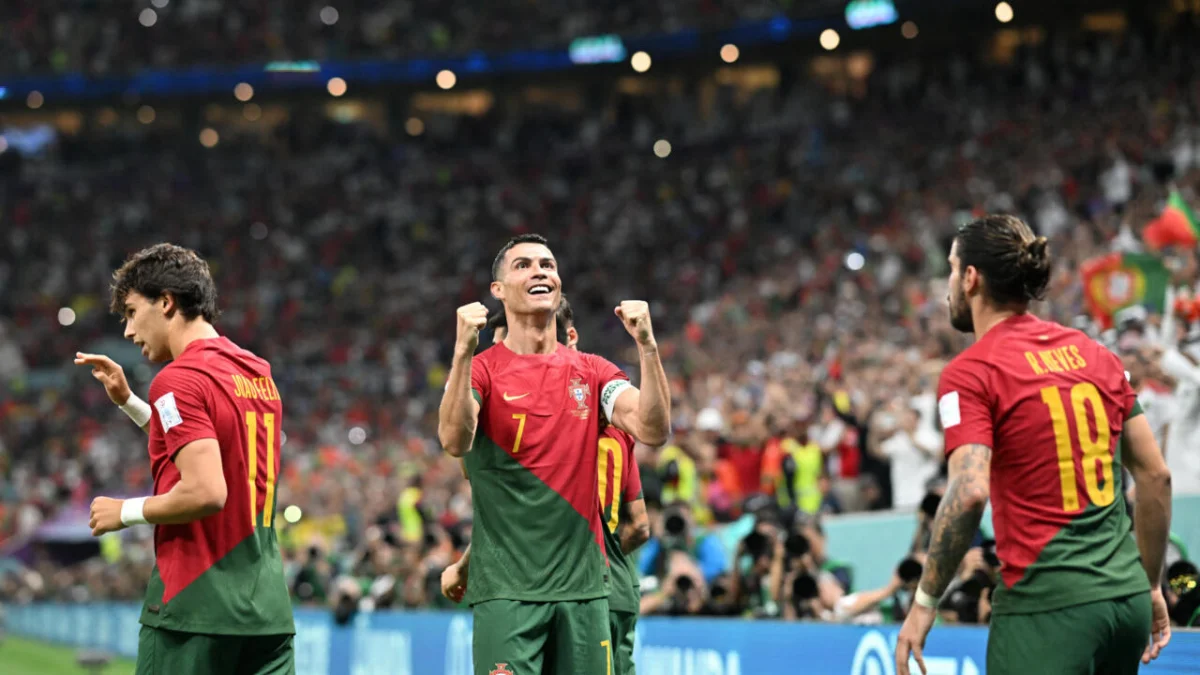
No Defined Attacking Identity
Throughout the tournament, things were uncertain for Portugal. The bigger question was who was responsible for scoring. For sure, relying on one player is not possible, but there should be someone responsible for it. For instance, we know that if France is playing, Mbappé or Dembélé have to score. For Norway, Erling should strike. But in the case of Portugal, it was not certain. The attacking face of the team was unclear. Whether it would be Bruno, Ramos, or Bernardo. But one thing was clear: it wasn't Cristiano.
When Ronaldo was in a position to attack, things fell apart. The midfielders and wingers forgot how to pass the ball. Similarly, with other players, things came into form. Somewhere, things were so messed up that it was clearly not in favor of Portugal.
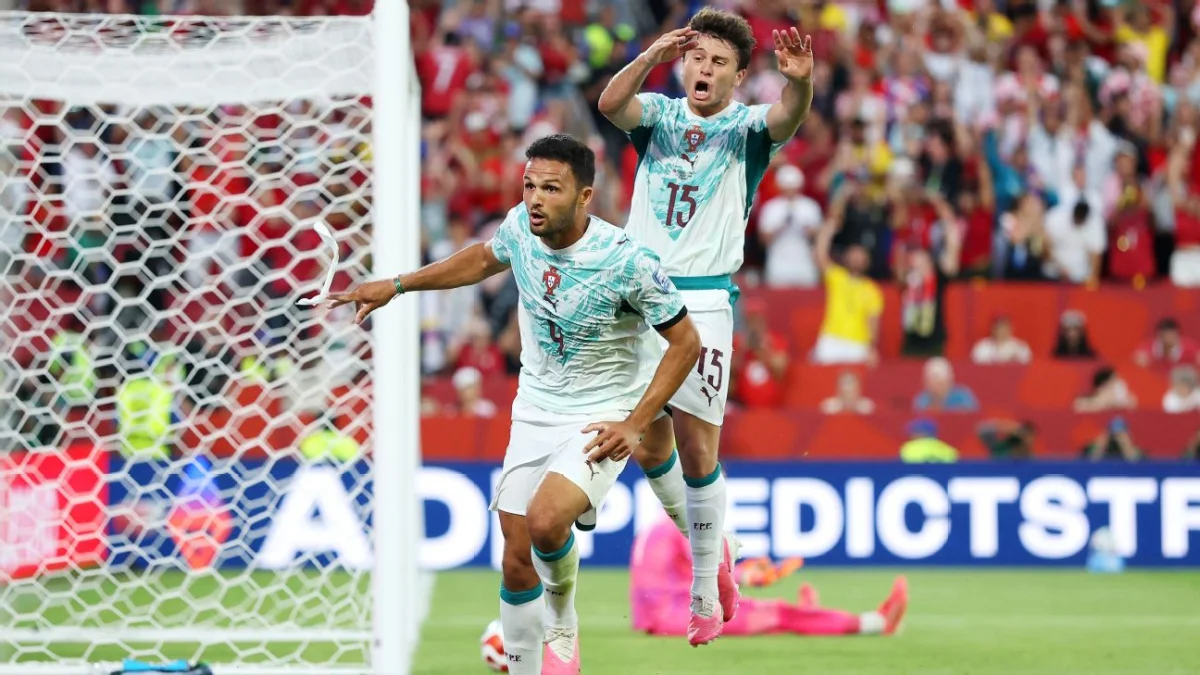
When Tactics Worked Against Portugal
The whole mistake was not by the players. Somewhere, the issue was with the coach. Using a 41-year-old striker for the whole game was the dumbest thing ever. If you don't have any other option, then it makes sense. But if you have options like João Félix, Gonçalo Ramos, and Rafael Leão.
For sure, Ronaldo put pressure on the opponent, but using him for the whole game didn't get the job done. Some reports suggest the coach was just trying to secure a contract in Saudi Arabia. The key for him was Cristiano himself. That's why he was getting more minutes on the field than the other attacking players.
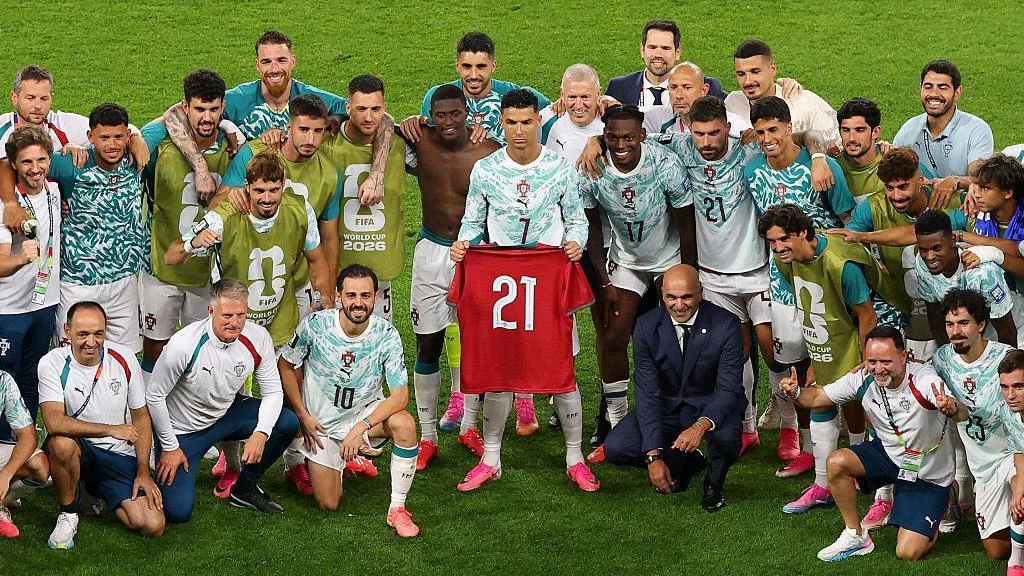
Things were clearly not in favor of Portugal. This resulted in a weak tournament and a disappointing exit from the World Cup. The aftershocks started when Roberto Martínez was removed from his job. His successor is also a question for the federation, as Jorge Jesus will be the new boss. The selection itself is a question of the criteria for the Portugal head coach job. Let's see how this works for them, as the biggest test will be the Nations League group stage, where Norway, Wales, and Denmark are present. The hardest task will be against Norway, as they are now in their finest form.
What's Your Reaction?
 Like
0
Like
0
 Dislike
0
Dislike
0
 Love
0
Love
0
 Funny
0
Funny
0
 Wow
0
Wow
0
 Sad
0
Sad
0
 Angry
0
Angry
0

Muhammad Saad Ismail is a multimedia journalist and columnist with international experience across sports, politics, and digital media. His work spans multiple regions, including Europe, North America, and Africa, reflecting a strong global perspective in contemporary journalism. He began establishing his profile as a sports writer with World in Sports, where he produced match reports and tactical analyses covering football and cricket. Expanding into international media, he contributed as a sports journalist at MancSports, focusing on club-level football analysis, and later worked with Meer as an entertainment journalist, blending sports coverage with cultural and entertainment narratives. Alongside his reporting roles, Saad has held editorial responsibilities as Web Content Manager at The Hub Web , where he managed and published content across sports and entertainment while driving audience engagement through opinion-led journalism. Currently, he serves as a Political Journalist at The FLUC, producing research-driven commentary on global politics and public policy. In parallel, he works as an NBA correspondent for Verticality Sports, delivering analytical coverage, feature stories, and performance breakdowns centered on league trends and key storylines. With a foundation in Mass Communication and professional training from institutions such as Al Jazeera, Reuters, and the Press Council of Pakistan, Saad combines traditional reporting skills with modern multimedia expertise. His work is defined by analytical depth, cross-platform storytelling, and a commitment to informed, impactful journalism.










Comments (0)