

Xenophobia: Understanding Fear, Discrimination, and Unity
This article explores xenophobia as a global issue that affects individuals, communities, and societies. It explains the causes of xenophobia, its historical background, its impact on immigrants and refugees, and the role of media, education, and governments in promoting unity and tolerance. The article also highlights possible solutions for building peaceful and inclusive communities. “Xenophobia: Understanding Fear, Discrimination, and Unity” is an educational feature article that examines how fear and misunderstanding of foreigners continue to create division in societies around the world. Using historical examples and current global issues, the article discusses the effects of discrimination on immigrants and refugees while emphasizing the importance of education, respect, communication, and cultural understanding in reducing xenophobia and promoting peaceful coexistence.





Written by: Imran Coulibaly (Leaders International Academy)
Have you ever been treated differently simply because of where you come from? Across the world, millions of people experience unfair treatment because they are seen as foreigners or outsiders. Xenophobia, the fear or dislike of people from other countries or cultures, remains a major issue affecting societies today. It often leads to discrimination, violence, exclusion, and division within communities. Understanding its causes and effects is important in building more peaceful and respectful societies.
Xenophobia is different from racism and discrimination, although the three are closely connected. Xenophobia mainly targets foreigners or people from different cultures, while racism is based on race or skin color. Discrimination refers to unfair treatment toward people because they are considered different. According to Encyclopaedia Britannica, xenophobia has existed in many societies for centuries. Fear of losing jobs, money, housing, or opportunities can increase xenophobic attitudes. In many cases, false information, stereotypes, and lack of understanding about other cultures also contribute to fear and mistrust.

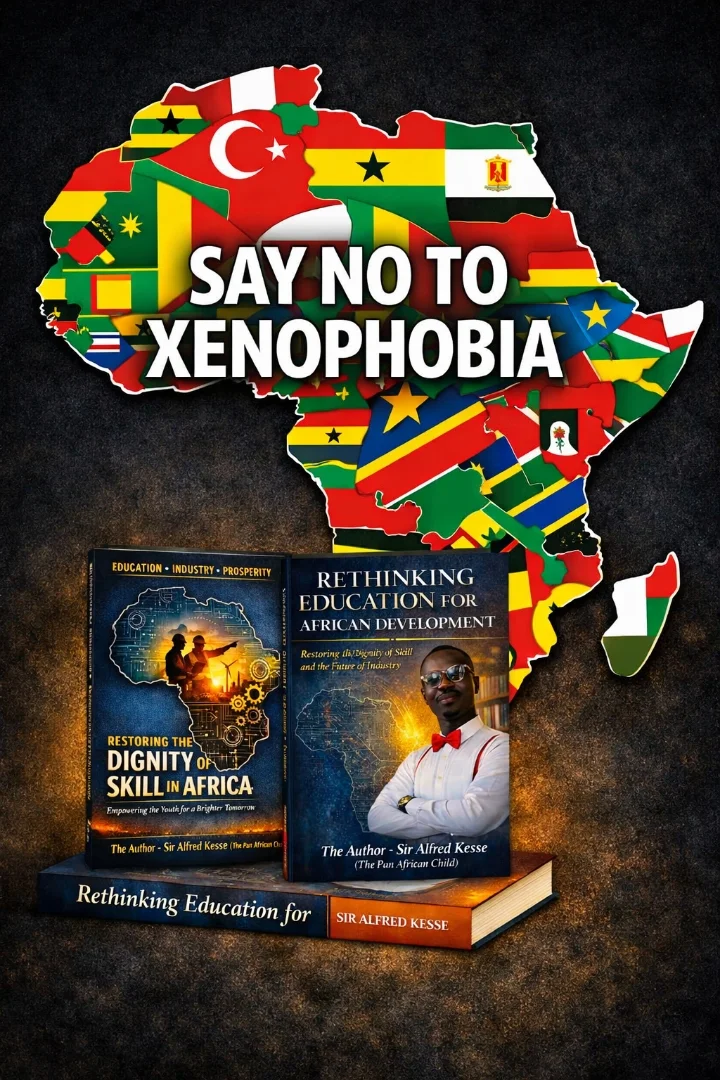
History provides many examples of xenophobia around the world. In the United States during the 1800s, some people strongly opposed immigration. In Germany before and during World War II, Jewish communities faced severe persecution and discrimination. In several African countries, immigrants from neighboring nations have also experienced violence and unfair treatment. According to the United Nations, hatred and discrimination against groups of people can damage peace, human rights, and social stability. Colonialism also created divisions between communities, leaving behind tension and mistrust that continue to affect societies today.
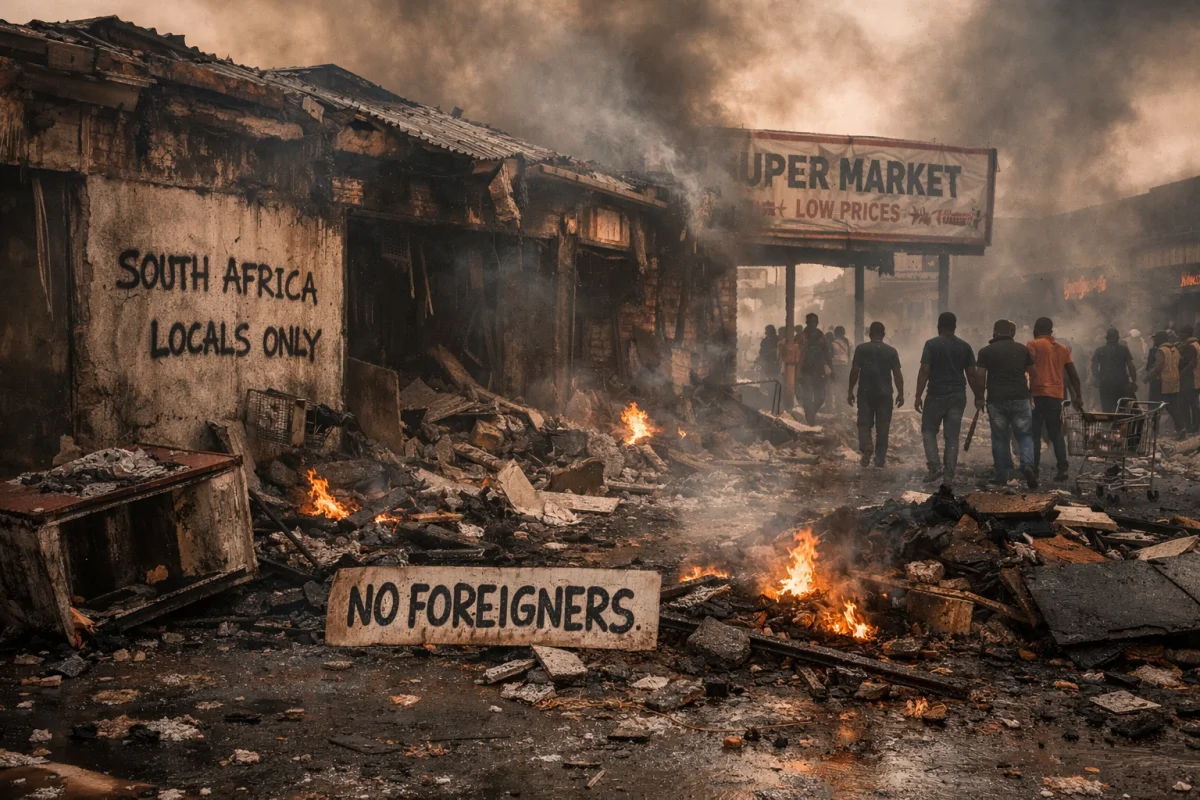
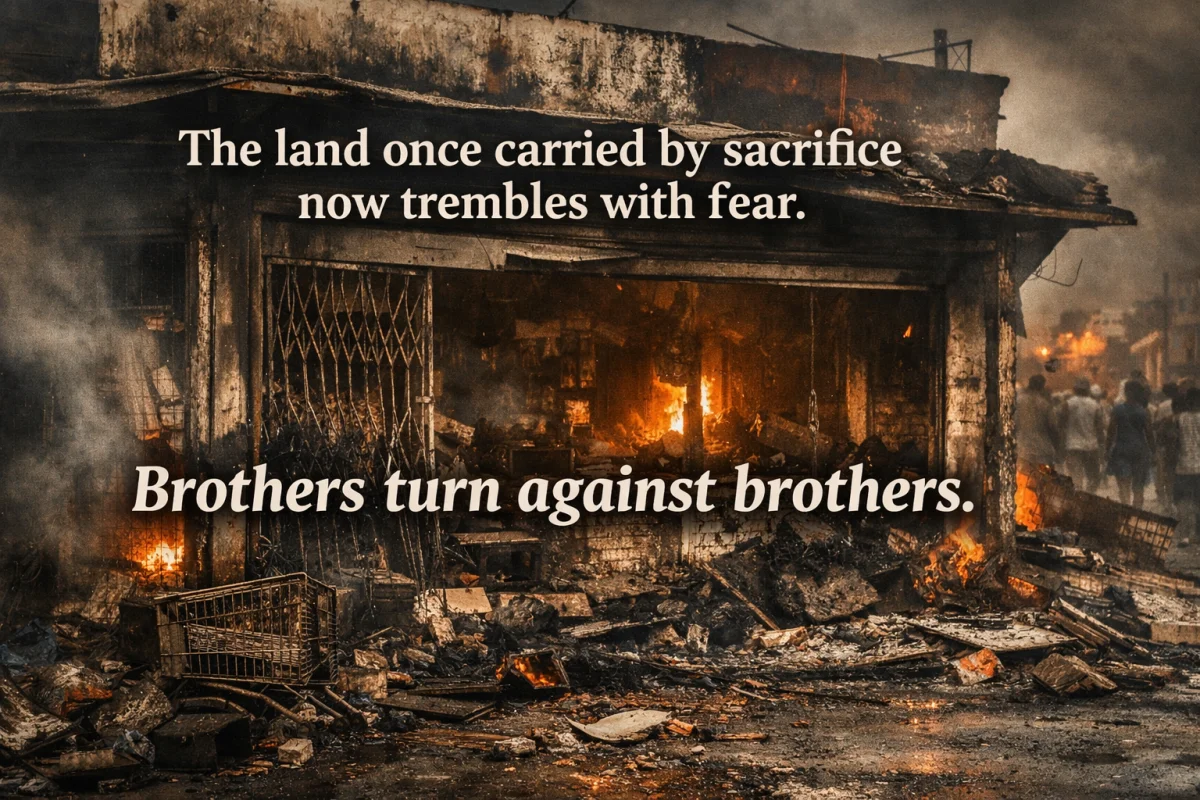
Today, xenophobia remains a serious challenge in many countries. In South Africa, attacks on foreign workers and shop owners have repeatedly drawn international attention. In Europe and North America, political debates surrounding immigration and refugees have increased tension in some communities. The United Nations High Commissioner for Refugees explains that refugees and migrants often face discrimination, unsafe living conditions, and rejection when moving to new countries. Xenophobia can appear through bullying, hate speech, violence, or the refusal to offer foreigners jobs and housing. As a result, many immigrants and refugees experience fear, sadness, and stress.
Xenophobia affects not only individuals but also communities and economies. Foreigners may struggle to find employment or may receive lower wages because of unfair treatment. Children from immigrant families sometimes face bullying at school or feel excluded from society. Some families are refused housing or treated badly by neighbors. According to National Geographic Society, migration has always been part of human history and often contributes to economic growth, cultural exchange, and development. Xenophobia can therefore harm a country’s economy by reducing tourism, investment, and trust between communities.
The media also plays an important role in shaping public opinion about foreigners. Some news reports and social media posts spread false stories or stereotypes about immigrants, increasing fear and anger among the public. Harmful messages can spread very quickly online. However, journalism and communication can also help fight xenophobia by promoting truthful information and encouraging understanding between cultures. The UNESCO emphasizes that education and communication are essential tools for promoting tolerance, peace, and unity.
Experts believe that everyone has a role to play in reducing xenophobia. Governments can create laws that protect immigrants and prevent discrimination. Schools can teach students about kindness, human rights, and cultural diversity. Community leaders can encourage peace and dialogue between groups. When people from different cultures interact and learn about one another, fear and stereotypes often decrease. Individuals can also contribute by respecting others, speaking out against unfair treatment, and welcoming people from different backgrounds.
In conclusion, xenophobia continues to harm individuals, communities, and countries around the world. It creates fear, discrimination, conflict, and division among people from different backgrounds. However, education, respect, fair laws, and kindness can help reduce xenophobia. By working together and accepting cultural differences, societies can become more peaceful, inclusive, and united.
Credit: Imran Coulibaly (Leaders International Academy?
What's Your Reaction?
 Like
0
Like
0
 Dislike
0
Dislike
0
 Love
0
Love
0
 Funny
0
Funny
0
 Wow
0
Wow
0
 Sad
0
Sad
0
 Angry
0
Angry
0

A PAN AFRICAN CRUSADER
















Comments (0)