

The Cinema Model of Politics: How Vijay Won Tamil Nadu
Explore how Joseph Vijay transformed from Tamil cinema superstar to political force as Tamilaga Vettri Kazhagam shocked Tamil Nadu elections, ending decades of DMK-AIADMK dominance through films, fan clubs, and youth mobilization.
The world's largest democracy, India, held elections across multiple states from the border with Nepal to the border with Bangladesh. During the election, we witnessed one of the most revolutionary decisions from the people of India. The state of West Bengal chose the Bharatiya Janata Party (the current ruling party of India), ending the regime of the All India Trinamool Congress (AITC). Congress won both seats in Karnataka, which was a scare for Davanagere South.
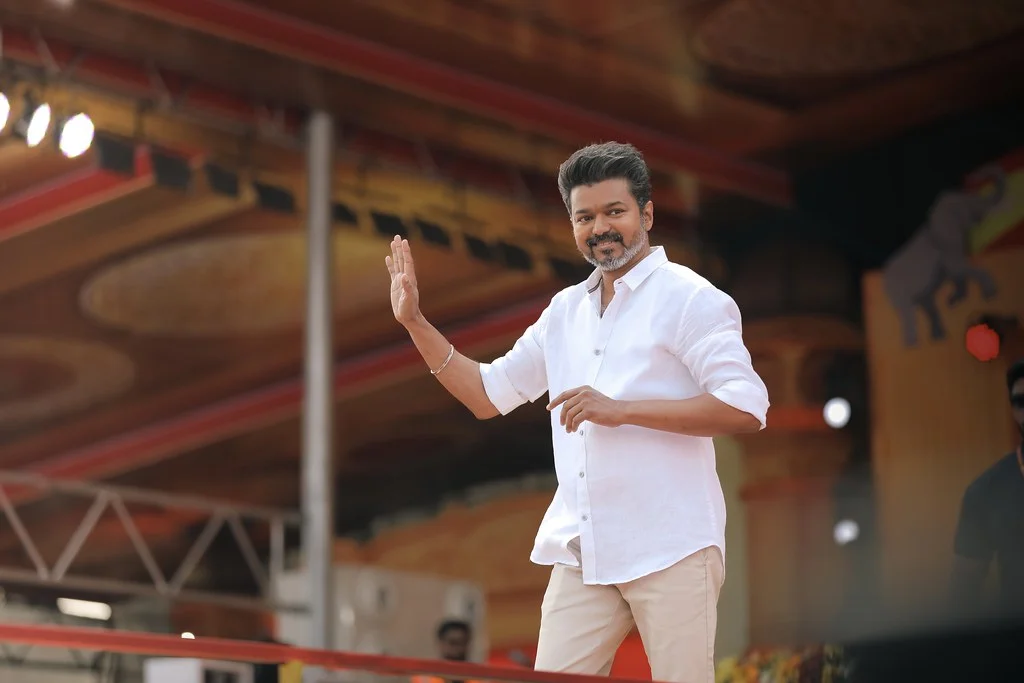
But the most shocking election happened in Tamil Nadu state, where a party that came into existence just two years ago dominated the election. Tamilaga Vettri Kazhagam, the party of famous actor Joseph Vijay, known as Thalapathy Vijay, won the election with a debut of 109 seats. Muthuvel Karunanidhi Stalin, the current Chief Minister of Tamil Nadu, lost his own seat. This was considered the biggest upset of the Tamil Nadu election, despite having a current GDP growth of over 16%, the highest in the whole country. Why and how did Thalapathy pull off the biggest knock in modern politics?
Thalapathy vs 130 Years of Experience:
TVK ended the combined 130 years of experience of DMK and AIADMK, breaking the two-party system of Tamil Nadu. Thalapathy failed to get a clear majority of 118 seats, but with the help of Congress and other small parties, the title of CM is sliding towards Thalapathy Vijay. At the start of the election, he was considered not a threat to either side.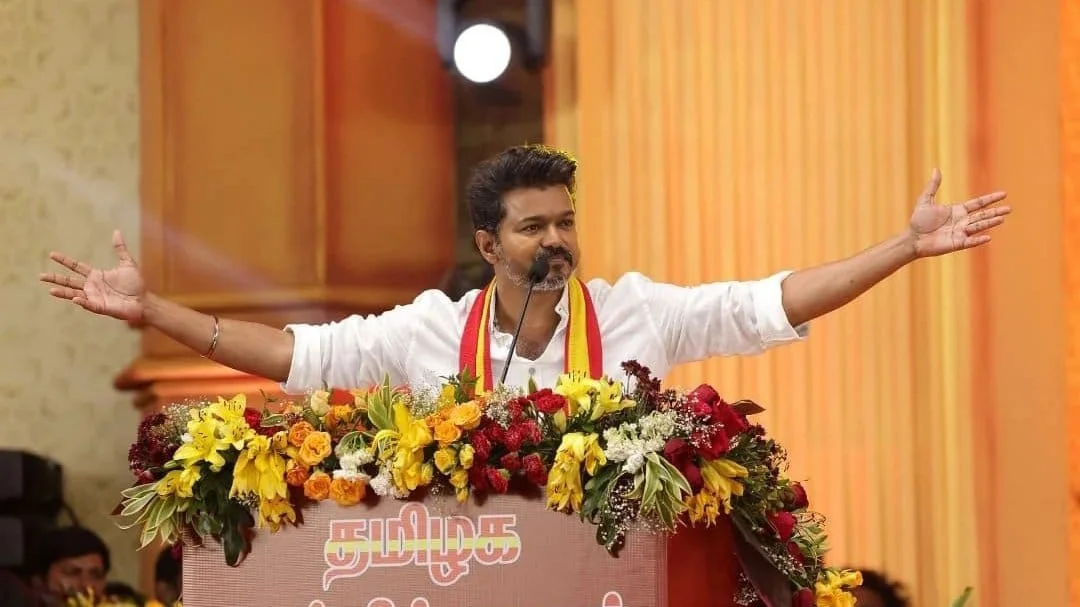
MK Stalin, former CM of Tamil Nadu, stated:
“Thalapathy's TVK is a threat to small parties; we have more things to deal with.”
While the BJP, which holds the government in the Centre, said:
“He is an actor; all he can do is act.”
During a rally, Thalapathy took on the BJP:
“I'm an actor and acted before entering politics. But the BJP acts in politics.”
Thalapathy was initially considered a person who was just grabbing a few seats, not a serious CM candidate at all. Even though he was pulling great audiences, he was still not considered at that level. Meanwhile, Stalin was confident because the current GDP growth was at 16%, so he was not very afraid. But when the results came, he failed in his own constitution.
From Cinema as Manipulator:
Cinema has been a vital part of Indian culture and has a prominent role in daily life. Over time, it also played a crucial role in politics. From NTR to Pawan Kalyan, some of the biggest stars moved from cinema to the political stage. From the start of Vijay's career, he had this in mind. In his previous films, he set up a narrative against political elites. He built a strong image through political-themed films carrying issues like social justice, anti-corruption, youth, and governance themes.
1. Sarkar:
It was considered a possible signal before the elections. The film focused on election corruption, voter rights, and political accountability. Sarkar triggered controversy when a real political issue sparked in Tamil Nadu. In one scene, characters burned freebies like grinders and fans, which were signature welfare schemes of the late former CM J. Jayalalithaa. On top of this, the name of the antagonist was “Komalavalli,” the actual name of the former AIADMK CM.
2. Mersal:
It focused on healthcare inequality, GST implementation, and corruption. This film created a nationwide debate about policy failure topics. The film created a soft image of Vijay being well aware of social issues.
3. Kaththi:
Kaththi created a deeper bond between the TVK leaders and rural and working-class audiences. It addressed issues like farmer suicides, corporate land grabbing, and water politics.
4. Master:
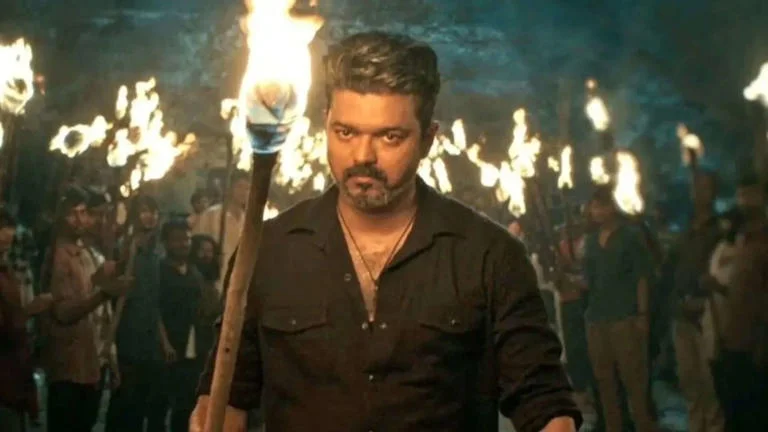
Master was one of the doubtful names on this list because it was mainly focused on the commercial market. But the actual theme of the film focused on juvenile crime, systemic failure, and youth reforms. This film portrayed Thalapathy as a “protector of youth.”
5. Thalaivaa:
In 2013, the film Thalaivaa sparked controversy following the tagline “Time to Lead.” This line was considered the very first attempt by Vijay to move towards politics. It was themed around reluctant leadership and public service. At that time, the government banned the film before its release. Many dialogues were direct digs at the state government.
6. Bigil:
Bigil focused on women's empowerment, social uplift, and leadership. This film sets a narrative for young and family audiences.
These films are some examples of how the cinema screen was used for the image-building of Vijay before he even entered politics. Vijay showed himself as a person of the people who always stands for the rights of the people.
Fans to Voters:
Thalapathy Vijay is the only actor who has had a proper fan club membership system. It is known as Vijay Makkal Iyakkam, “Vijay People's Movement.” Before the 2026 election, the number reached up to 25 million. This forum had an organizational structure similar to a political cadre system:
state-level coordinators to youth wings.
VKI performed welfare and public activities. Unlike other fan clubs, it focused on regularly organizing:
- Blood donation drives
- Educational assistance
-
Before officially announcing his jump into elections, Vijay tested the strength of the fan club. They participated in local rural elections, winning 115 out of 169 seats they contested in 2021. It was a sign that the stage was set, and now the final step had to be announced properly. The members of VKI moved towards TVK, so the grassroots development was already established for them.
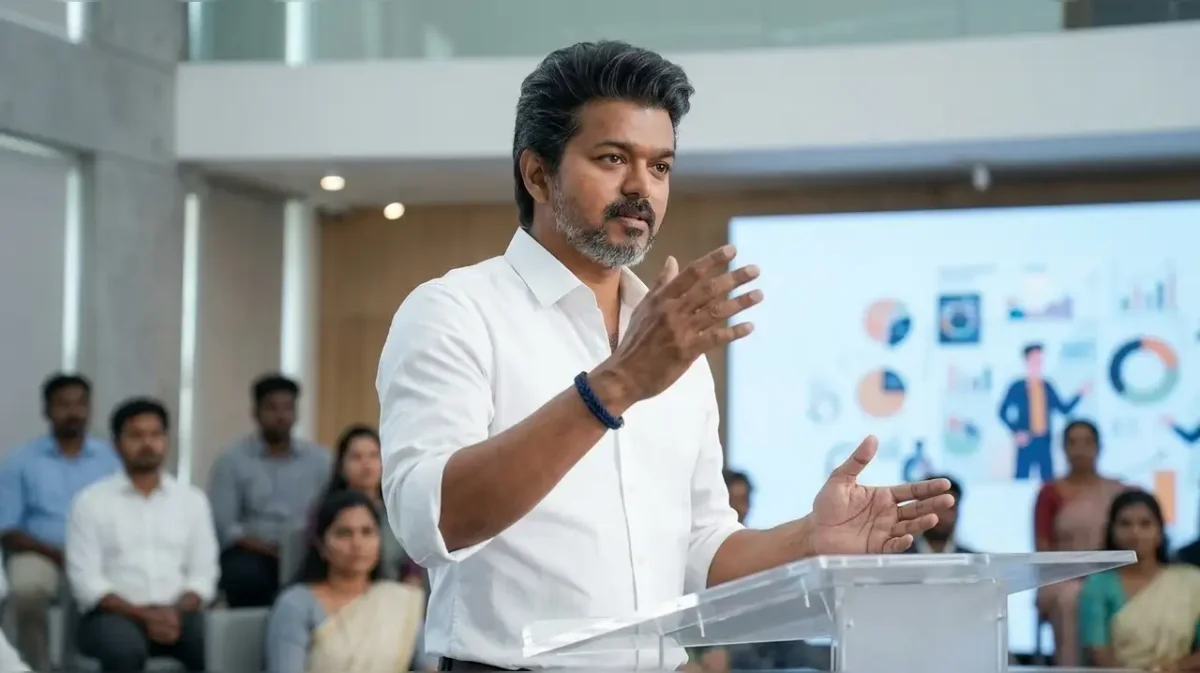
The main focus of the party was on 1.8 million new voters who were voting for the first time. These were the kids who grew up watching Thalapathy films, so the image was already printed in their minds. On the other side, the VKI members who had already worked in many welfare activities converted many families into potential voters.
Tamil Nadu always had a trend of moving from the film screen to the political stage. Vijay already understood how things were done by NTR and Jayalalithaa. So TVK was well aware of how to use media and fan mobilization.
Veteran actor Prakash Raj openly criticized Vijay's “cinema model” of politics. He said Vijay relied heavily on film-star charisma rather than ideological politics.
What's Your Reaction?
 Like
0
Like
0
 Dislike
0
Dislike
0
 Love
0
Love
0
 Funny
0
Funny
0
 Wow
0
Wow
0
 Sad
0
Sad
0
 Angry
0
Angry
0
Muhammad Saad Ismail is a multimedia journalist and columnist with international experience across sports, politics, and digital media. His work spans multiple regions, including Europe, North America, and Africa, reflecting a strong global perspective in contemporary journalism. He began establishing his profile as a sports writer with World in Sports, where he produced match reports and tactical analyses covering football and cricket. Expanding into international media, he contributed as a sports journalist at MancSports, focusing on club-level football analysis, and later worked with Meer as an entertainment journalist, blending sports coverage with cultural and entertainment narratives. Alongside his reporting roles, Saad has held editorial responsibilities as Web Content Manager at The Hub Web , where he managed and published content across sports and entertainment while driving audience engagement through opinion-led journalism. Currently, he serves as a Political Journalist at The FLUC, producing research-driven commentary on global politics and public policy. In parallel, he works as an NBA correspondent for Verticality Sports, delivering analytical coverage, feature stories, and performance breakdowns centered on league trends and key storylines. With a foundation in Mass Communication and professional training from institutions such as Al Jazeera, Reuters, and the Press Council of Pakistan, Saad combines traditional reporting skills with modern multimedia expertise. His work is defined by analytical depth, cross-platform storytelling, and a commitment to informed, impactful journalism.













Comments (0)