

Nigeria's Silent Emergency: The War Against Education
Teachers are among the most important pillars of society, yet many in Nigeria now face the threat of abduction and violence while carrying out their duties. This article examines the recent wave of school kidnappings, the reasons schools have become frequent targets, the Nigerian government's response, and the long-term impact these attacks are having on education, security, and the country's future.
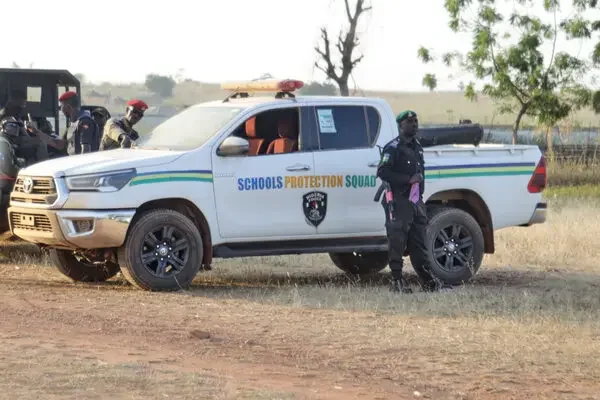
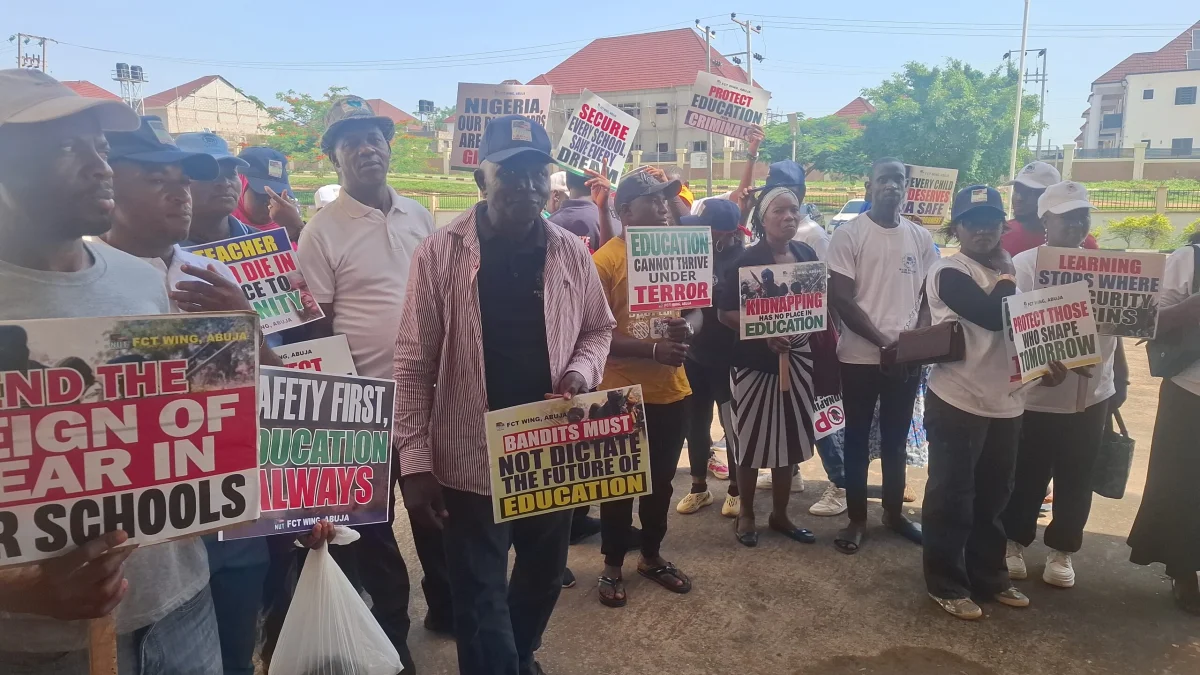
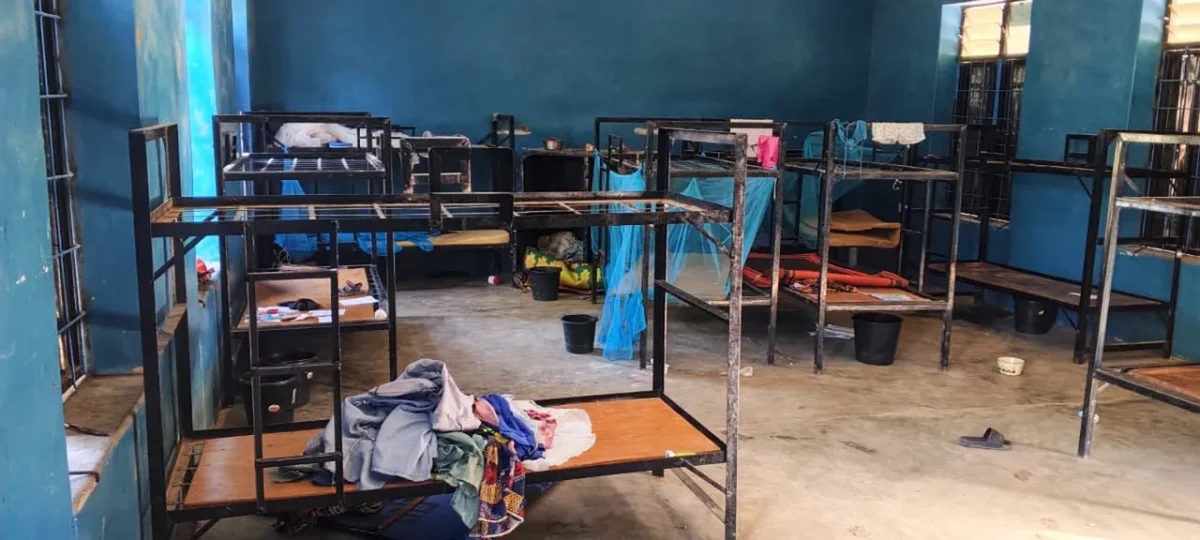
A teacher is a person who can make the new generation successful or unsuccessful. It is such a beautiful profession and a noble act. In Islam, we have huge respect for this profession as our Beloved Prophet was also a teacher. Recently, a wave of terror hit Nigeria's southern region, where many teachers were abducted, and several students were also kidnapped.
For a long time, this was a major concern, but this region was relatively considered safer. The central and northern regions have mostly been affected for a long time. In just 2025, more than 300 students and teachers were abducted. The reason was quite simple: easy targets and possible ransom money, along with nationwide attention as well. There are questions in our minds:
Why are schools consistently targeted?
The first thing that comes to mind is: why schools?
The answer is multilateral, starting from ransom money to control tactics. For the most basic reason, it is all about ransom money. Many kidnappings are financially motivated. Students, teachers, and school administrators are easy targets due to the least amount of security, or even no security, in rural areas. It is often guaranteed that government officials or families will pay ransom. So targeting schools for easy money is one motivation. These incidents are also highlighted in national and international media landscapes. A strong and harsh media narrative is built.
Some extremist or insurgent groups intentionally target schools to create maximum fear. These activities result in fewer students and teachers in schools, directly impacting the future of Nigeria. That will affect weaker institutions and government bodies, and increase poverty and unemployment.
What is the government's stance?
The official stance of the Government of Nigeria is pretty clear: it is a state-level emergency. The state is pursuing rescue operations and strengthening security forces. Following the recent Oyo school attack, Bola Ahmed Tinubu, the political leader, stated:
“Federal and state authorities were coordinating rescue operations.”
Meanwhile, governors in southwestern states have begun reviving the “Safe School Initiative,” aimed at improving and increasing security measures and protection for educational institutions. One of the key factors is coordination with rural vigilante groups. The issues will not be resolved without proper communication.
Somewhere, the Nigerian Government admitted failures in administration. They admitted this is an aftershock of other criminal activities, like
- Vast rural territories
- Porous borders
- Illegal arms trafficking
- Poverty and unemployment
- Multiple armed groups operating simultaneously
However, factually, these are right and tactful, and all these factors are related to one another. Unless these criminal activities are reduced, a safer educational environment is not possible.
How is this whole scenario hurting Nigeria?
The scenario in Nigeria is gradually leading towards decline. The public already holds a strong narrative against the government regarding this concern. The region is affected by kidnapping and ransom culture, while prosecutions are rare. This is a major issue in rural areas, where communities remain more exposed than urban areas. One of the key public frustrations is the recent incidents in the southern Oyo State, following years of violence in Northern Nigeria.
Civil societies and international organizations like Amnesty International have accused authorities of failing to adequately protect schools and citizens. People are losing one of their most fundamental rights. Meanwhile, one of the biggest concerns came from UNICEF reports stating that the future of a generation is at stake, where things are getting worse with every passing day.
In many ways, the school attacks are much more than just a ransom war. It is a much bigger and more impactful issue than what we are currently seeing.
What's Your Reaction?
 Like
0
Like
0
 Dislike
0
Dislike
0
 Love
0
Love
0
 Funny
0
Funny
0
 Wow
0
Wow
0
 Sad
0
Sad
0
 Angry
0
Angry
0
Muhammad Saad Ismail is a multimedia journalist and columnist with international experience across sports, politics, and digital media. His work spans multiple regions, including Europe, North America, and Africa, reflecting a strong global perspective in contemporary journalism. He began establishing his profile as a sports writer with World in Sports, where he produced match reports and tactical analyses covering football and cricket. Expanding into international media, he contributed as a sports journalist at MancSports, focusing on club-level football analysis, and later worked with Meer as an entertainment journalist, blending sports coverage with cultural and entertainment narratives. Alongside his reporting roles, Saad has held editorial responsibilities as Web Content Manager at The Hub Web , where he managed and published content across sports and entertainment while driving audience engagement through opinion-led journalism. Currently, he serves as a Political Journalist at The FLUC, producing research-driven commentary on global politics and public policy. In parallel, he works as an NBA correspondent for Verticality Sports, delivering analytical coverage, feature stories, and performance breakdowns centered on league trends and key storylines. With a foundation in Mass Communication and professional training from institutions such as Al Jazeera, Reuters, and the Press Council of Pakistan, Saad combines traditional reporting skills with modern multimedia expertise. His work is defined by analytical depth, cross-platform storytelling, and a commitment to informed, impactful journalism.







Comments (0)