

China’s Electric Vehicle Revolution: Transforming Domestic Growth and Global Markets
China’s EV boom is redefining global power—leading innovation, disrupting markets, and driving the shift to clean energy.
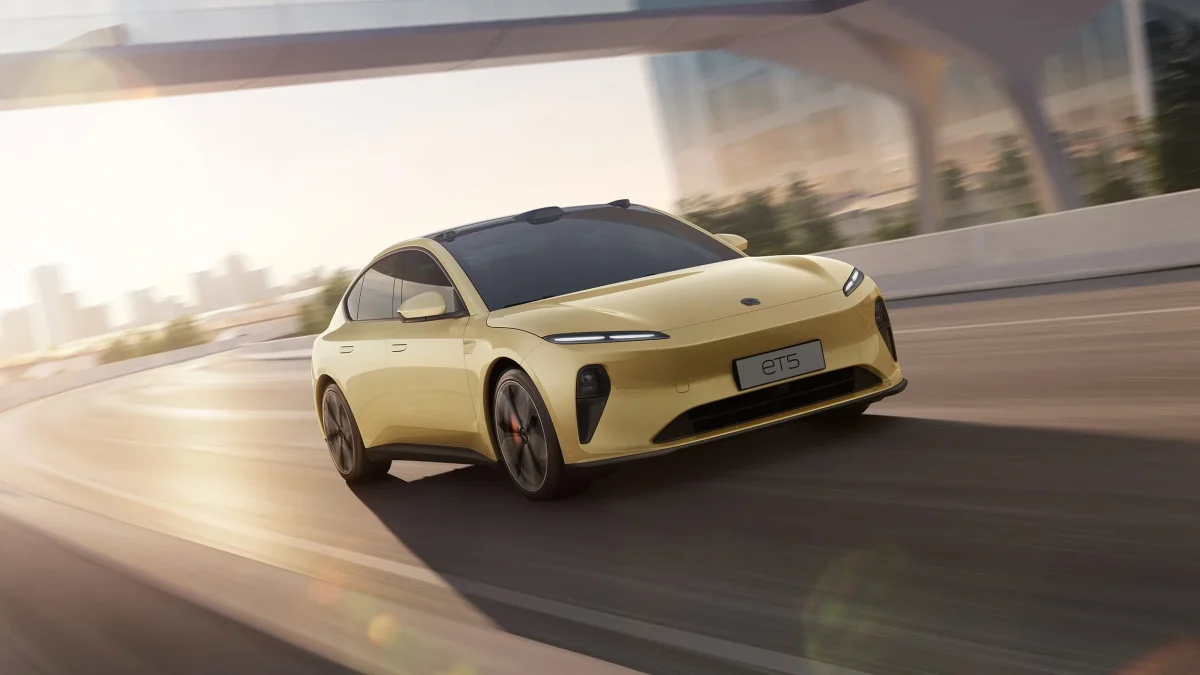
China’s rise in the electric vehicle (EV) industry represents one of the most significant industrial transformations of the 21st century. Once dependent on foreign automotive technology, China has repositioned itself as the global leader in electric mobility.
This shift is not only reshaping its domestic economy but also disrupting global markets, accelerating the energy transition, and intensifying geopolitical competition.
By examining the emergence of China’s EV sector, its economic significance, and its global impacts, it becomes clear that EVs are central to China’s long-term strategic ambitions.
What China’s EVs Are, and Why They Emerged
Electric vehicles in China are officially termed “new energy vehicles” (NEVs), encompassing battery electric vehicles, plug-in hybrids, and fuel-cell vehicles. These vehicles rely on electricity rather than fossil fuels, positioning them at the forefront of global decarbonisation efforts.
The emergence of China’s EV sector is rooted in deliberate state-led industrial policy. Beginning in the late 2000s, the Chinese government identified EVs as a strategic opportunity to bypass Western dominance in traditional automotive manufacturing.
Through subsidies, tax incentives, and infrastructure investment, the state actively cultivated a domestic EV ecosystem.
According to Reuters, these subsidies “fuelled a boom that has left the world’s second-largest economy… pushing into global car markets”.
Three key motivations drove this shift. First, energy security: China is heavily reliant on imported oil, and electrification reduces this dependency. Second, environmental concerns: severe urban air pollution created urgency for cleaner transport solutions. Third, industrial upgrading: EVs offered China a chance to lead in a new technological frontier rather than compete in a saturated petrol-car market.
The results of this strategy are evident today. China is now the world’s largest EV producer and consumer, with domestic firms dominating the market. At the 2026 Beijing Auto Show, the scale of innovation demonstrated this leadership.
One report noted that China’s EV technology is “light years ahead of the rest of the world,” particularly in battery development and charging speeds.
Companies such as CATL and BYD showcased batteries capable of charging in under ten minutes, highlighting how rapidly the sector has evolved.
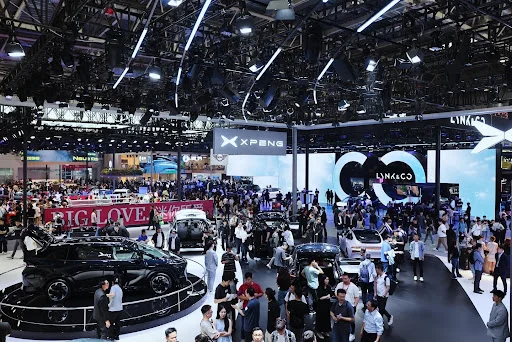 Beijing Auto Show 2026
Significance to the Chinese Economy
The EV industry has become a cornerstone of China’s economic model, particularly as traditional growth drivers—such as real estate and low-cost manufacturing—face structural decline. EVs are not merely a product sector but part of a broader technological ecosystem that includes batteries, artificial intelligence, and renewable energy.
Economically, the scale is vast. China is now the world’s largest car exporter, with EVs playing a central role in this expansion. According to AP News, “China has become one of the fastest-moving markets for deploying and iterating new vehicle technologies, giving consumers early access to some of the most advanced features,” said Chris Liu, a senior analyst at research and advisory group Omdia.
The industry supports millions of jobs across manufacturing, supply chains, and technological development, while also driving regional economic growth in cities such as Shenzhen and Shanghai.
Technologically, EVs are accelerating China’s move into high-value industries. The integration of artificial intelligence into EVs illustrates this shift.
As highlighted at the Beijing Auto Show, Chinese firms are embedding AI into vehicles at an unprecedented pace, with one industry expert stating, “There’s no longer a distinction between a technology company and a car company”.
This convergence positions China at the forefront of next-generation mobility, where software and data are as important as hardware.
However, this rapid growth is not without challenges. The domestic EV market is highly competitive, with intense price wars and shrinking margins. CNN reports that there is “no clear-cut winner” in the Chinese EV race, as firms continuously undercut each other to gain market share.
Additionally, overcapacity has become a concern, with production levels exceeding domestic demand in some segments. These pressures are pushing Chinese firms to expand globally. As domestic growth slows, international markets are becoming essential for sustaining the industry’s momentum. This outward expansion reflects both the strength and the structural tensions within China’s EV sector.
Global Economic Impacts
China’s dominance in EVs is having profound implications for the global economy, particularly in trade, industrial competition, and the energy transition.
First, China’s EV exports are reshaping global trade patterns. Chinese manufacturers are rapidly entering markets in Europe, the UK, and emerging economies, often offering vehicles at significantly lower prices than Western competitors. This cost advantage stems from China’s control over key parts of the supply chain, including battery production and critical minerals. As a result, Chinese EVs are making electric mobility more accessible worldwide, accelerating global adoption.
However, this expansion has also triggered trade tensions. Western governments are increasingly concerned about the impact of Chinese imports on domestic industries. Tariffs, regulatory barriers, and investigations into subsidies reflect a growing economic rivalry.
Despite these obstacles, Chinese firms remain confident. As one CNN report notes, even being “locked out” of the US market is unlikely to stop companies like BYD from maintaining their global leadership.
Second, China’s EV industry is accelerating the global energy transition. By scaling production and reducing costs, China has made EVs more affordable, supporting international climate goals.
Third, EVs are reshaping global power dynamics. Control over battery supply chains and critical minerals gives China significant leverage in the clean energy economy.
This has transformed EVs into a geopolitical issue, as countries compete not only for market share but also for technological sovereignty.
As one industry leader observed, the transformation driven by China’s EV sector is not gradual but dramatic: “There is no transition… it’s a revolution”.
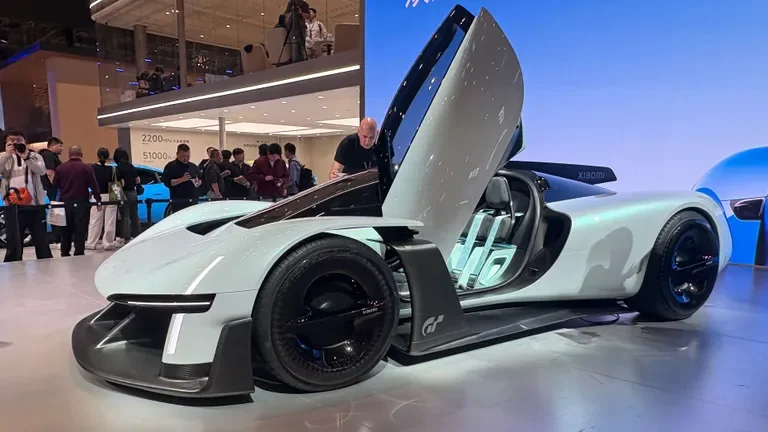
Beijing Auto Show 2026
Final thoughts
China’s electric vehicle revolution illustrates the power of strategic planning, technological investment, and industrial scale. What began as a state-led initiative to address energy security and environmental concerns has evolved into a globally dominant industry with far-reaching consequences.
Domestically, EVs are driving economic restructuring, innovation, and employment. Internationally, they are reshaping trade flows, accelerating decarbonisation, and intensifying geopolitical competition. As demonstrated by the technological breakthroughs showcased in Beijing, China is not merely participating in the EV transition—it is defining its direction.
In this context, the rise of China’s EV industry is not just about cars; it is about the future of global economic power.
What's Your Reaction?
 Like
0
Like
0
 Dislike
0
Dislike
0
 Love
0
Love
0
 Funny
0
Funny
0
 Wow
0
Wow
0
 Sad
0
Sad
0
 Angry
0
Angry
0

I’m a freelance writer with a passion for business, lifestyle, and opinion pieces that explore culture, trends, and real-world insights. I bring a perspective that blends professional knowledge with cultural awareness, drawing on my experience in real estate and a keen interest in South Asian lifestyle and culture. I hold a Master’s in Popular Music Practice, and outside of writing, I enjoy playing the flute and reading about philosophy and psychology. I love crafting engaging, thought-provoking stories and am always excited to pitch fresh ideas or take on features that connect communities, trends, and the bigger picture.

















Comments (0)