

UAE Continues Expansion of Oil Export Network Beyond Strait of Hormuz
The United Arab Emirates is expanding its oil export infrastructure beyond the Strait of Hormuz in a strategic effort to strengthen supply resilience and protect global energy markets from future geopolitical disruption.
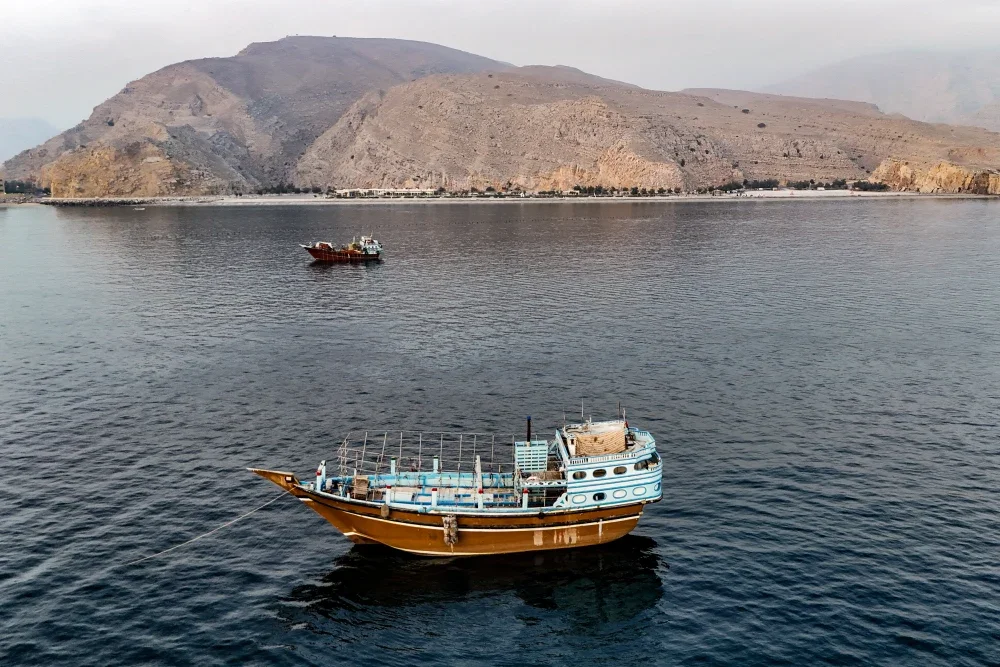
The United Arab Emirates (UAE) is accelerating plans to expand its oil export infrastructure beyond the Strait of Hormuz as Gulf nations continue strengthening energy security following heightened geopolitical tensions in the region.
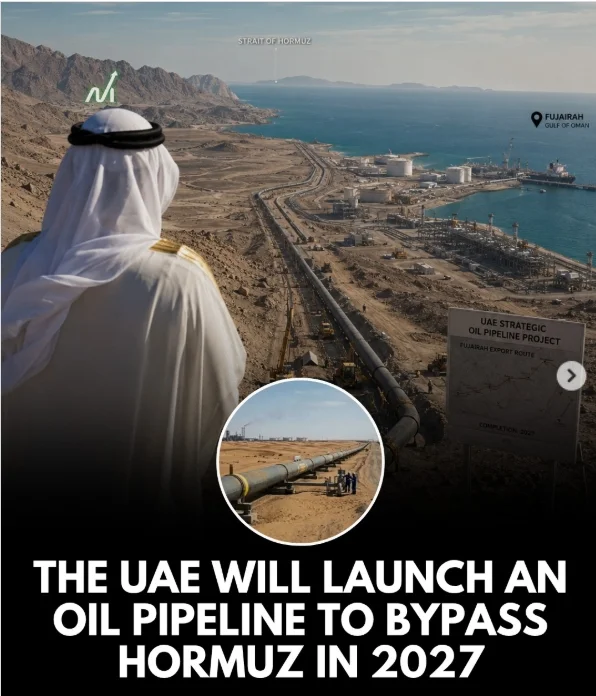
The project, led by the Abu Dhabi National Oil Company (ADNOC), aims to significantly increase crude export capacity through the port of Fujairah on the Gulf of Oman by 2027.
Once completed, the expanded pipeline network will allow a greater proportion of the UAE's oil exports to bypass the Strait of Hormuz—one of the world's most strategically important maritime chokepoints.
The investment reflects a broader shift in Gulf energy policy. Rather than relying on a single shipping route, major oil-producing nations are investing billions of dollars in alternative export infrastructure to reduce the risks posed by regional instability and protect global energy supplies.
A Critical Route for Global Energy
The Strait of Hormuz is one of the most significant waterways in the global economy.
Located between Oman and Iran, the narrow passage connects the Persian Gulf with the Gulf of Oman and the Arabian Sea, providing the primary export route for crude oil produced by the UAE, Saudi Arabia, Kuwait, Iraq, Qatar and Bahrain.
According to the U.S. Energy Information Administration (EIA), approximately 20% of global petroleum liquids consumption passes through the Strait of Hormuz each day, making it the world's most important oil transit chokepoint.
Due to its strategic importance, even the threat of disruption can cause significant volatility in international energy markets.
The vulnerability of the route was highlighted during the regional military escalation involving Iran in 2025.
Although the Strait remained open to commercial shipping, attacks on energy infrastructure, heightened naval activity and increased security concerns caused freight insurance costs to rise and fuelled fears that global oil supplies could be interrupted.
As a result, oil markets experienced sharp price fluctuations as traders reacted to the possibility of reduced exports from the Gulf.
The International Energy Agency (IEA) has repeatedly warned that geopolitical instability remains one of the greatest risks facing global energy security, encouraging producing nations to improve the resilience of their export infrastructure.
UAE Expands Alternative Export Routes
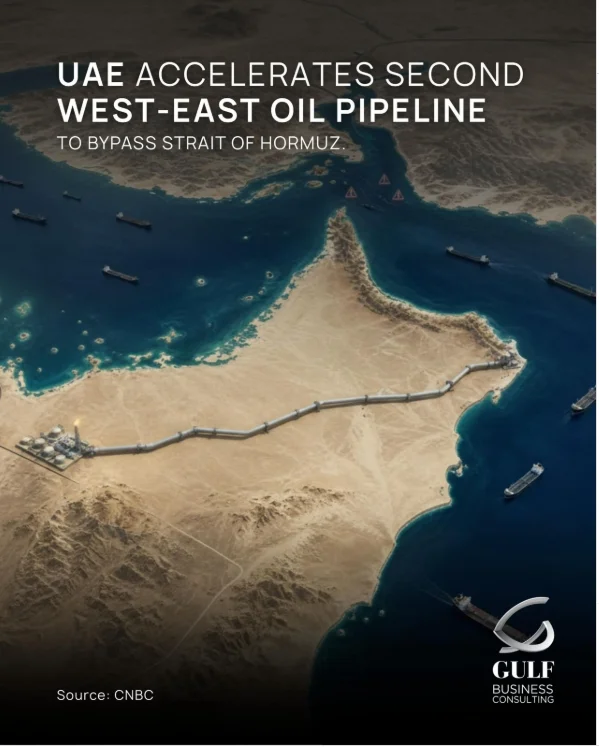
To reduce dependence on the Strait of Hormuz, the UAE is expanding its existing Abu Dhabi Crude Oil Pipeline (ADCOP), which transports crude oil directly from inland production facilities to Fujairah on the Gulf of Oman.
Unlike export terminals located inside the Persian Gulf, Fujairah allows oil tankers to reach international markets without passing through the Strait of Hormuz.
According to Reuters, the latest expansion project is expected to double export capacity through Fujairah by 2027, significantly improving the country's ability to continue exporting oil during periods of geopolitical instability.
ADNOC has described strengthening export resilience as a long-term strategic priority, reflecting growing recognition that reliable infrastructure is becoming just as important as increasing oil production itself.
The expansion also supports the UAE's broader economic strategy, which seeks to maximise export flexibility while maintaining its position as one of the world's leading energy suppliers.
Record Export Performance
Despite regional uncertainty, the UAE has continued to increase production and exports.
According to Reuters, UAE crude and condensate exports reached approximately 3.7 million barrels per day during June 2026, surpassing the previous record of 3.44 million barrels per day recorded in 2020.
Industry analysts attribute the increase to rising international demand, continued investment in infrastructure and the country's ability to respond quickly to changing market conditions.
The UAE has also continued investing heavily in upstream oil production, allowing it to increase capacity while maintaining relatively low production costs compared with many competitors.
Economic Implications
The expansion carries important implications for both regional and global economies.
For importing nations such as India, China, Japan and South Korea, reliable access to Gulf crude remains essential for energy security. Any disruption to shipping routes can rapidly affect fuel prices, transportation costs, manufacturing output and inflation.
By increasing the amount of oil that can be exported outside the Strait of Hormuz, the UAE hopes to reduce the likelihood that future geopolitical crises will interrupt international supplies.
Economists argue that diversified export infrastructure helps reassure financial markets by reducing uncertainty. Stable energy supplies are particularly important for industries including aviation, logistics, chemicals, agriculture and heavy manufacturing, all of which remain heavily dependent on petroleum products.
Lower volatility in oil markets can also help central banks manage inflation more effectively by reducing sudden increases in fuel prices.
Regional Competition
The UAE is not the only Gulf producer investing in alternative export routes.
Saudi Arabia has operated its East-West Pipeline for decades, transporting crude oil from the Eastern Province to terminals on the Red Sea. The system provides an alternative route should shipping through the Strait of Hormuz become restricted.
Across the Gulf, governments are also expanding strategic petroleum reserves, storage terminals and export facilities while investing in renewable energy projects to strengthen long-term energy resilience.
Analysts say these investments demonstrate that energy security is increasingly viewed as a national security issue rather than simply an economic concern.
Looking Ahead
Although tensions in the Gulf have eased since the events of 2025, policymakers continue to regard the Strait of Hormuz as a potential source of geopolitical risk.
According to Reuters, Gulf oil exports have recovered strongly, with regional shipments rising by more than three million barrels per day following the easing of tensions. The recovery has been supported in part by record export volumes from the UAE.
For the UAE, expanding export infrastructure is about more than responding to recent events. It represents a long-term investment in reliability, competitiveness and economic resilience.
As demand for secure and dependable energy supplies continues, projects that reduce reliance on vulnerable maritime chokepoints are expected to play an increasingly important role in shaping the future of global energy markets.
While geopolitical uncertainty is unlikely to disappear entirely, the UAE's investment demonstrates how infrastructure is becoming one of the most powerful tools available to governments seeking to protect both national economies and international energy security.
What's Your Reaction?
 Like
0
Like
0
 Dislike
0
Dislike
0
 Love
0
Love
0
 Funny
0
Funny
0
 Wow
0
Wow
0
 Sad
0
Sad
0
 Angry
0
Angry
0

I’m a freelance writer with a passion for business, lifestyle, and opinion pieces that explore culture, trends, and real-world insights. I bring a perspective that blends professional knowledge with cultural awareness, drawing on my experience in real estate and a keen interest in South Asian lifestyle and culture. I hold a Master’s in Popular Music Practice, and outside of writing, I enjoy playing the flute and reading about philosophy and psychology. I love crafting engaging, thought-provoking stories and am always excited to pitch fresh ideas or take on features that connect communities, trends, and the bigger picture.
















Comments (0)