

Ghana’s Treasury Bill Rates Decline: What Investors Should Know for March 2026
The Bank of Ghana has announced updated Treasury bill rates for the week ending 9 March 2026, showing a continued decline in yields across short-term government securities.


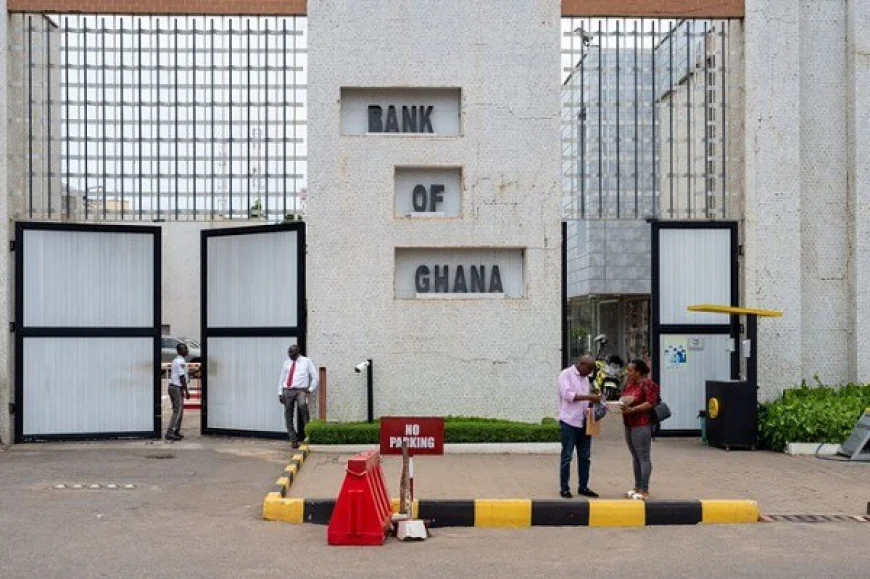
The Bank of Ghana has announced updated Treasury bill rates for the week ending 9 March 2026, showing a continued decline in yields across short-term government securities. For investors, these figures highlight both opportunities and trade-offs in choosing between different tenors.
Current Treasury Bill Rates
91‑day bill: Discount rate 4.77%, annualized interest rate 4.83%
182‑day bill: Discount rate 6.11%, annualized interest rate 6.30%
364‑day bill: Discount rate 8.55%, annualized interest rate 9.35%
What These Numbers Mean
Treasury bills are sold at a discount to their face value. Investors pay less upfront and receive the full-face value at maturity. The difference is the profit earned. The interest rate is annualized, meaning it shows the effective return if the investment were held for a full year.
For example, with a GH¢10,000 investment:
A 91‑day bill at 4.83% yields about GH¢120 profit after three months.
A 182‑day bill at 6.30% yields about GH¢290 profit after six months.
A 364‑day bill at 9.35% yields about GH¢930 profit after one year.
Key Insights
Rates are trending downward: The 91‑day bill fell from around 6% in late February to 4.83% in March.
Longer tenors offer higher returns: Investors earn more by locking funds for 182 or 364 days.
Flexibility vs. Yield: Shorter bills allow reinvestment sooner, while longer bills secure higher yields.
Treasury bills remain one of the safest investment options in Ghana, backed by government security. While yields are declining, investor demand remains strong, with recent auctions oversubscribed. For those seeking flexibility, the 91‑day bill is ideal. For those prioritizing higher returns, the 182‑day and 364‑day bills are more attractive.
What's Your Reaction?
 Like
0
Like
0
 Dislike
0
Dislike
0
 Love
0
Love
0
 Funny
0
Funny
0
 Wow
0
Wow
0
 Sad
0
Sad
0
 Angry
0
Angry
0

















Comments (0)