

China, the UK, Canada and the Shifting Western Order: Diplomacy, Trade and Geopolitics in 2026
Diplomatic moves by the UK and Canada toward China reveal how trade pressures, security concerns and unpredictable U.S. leadership are redefining Western alliances in 2026.
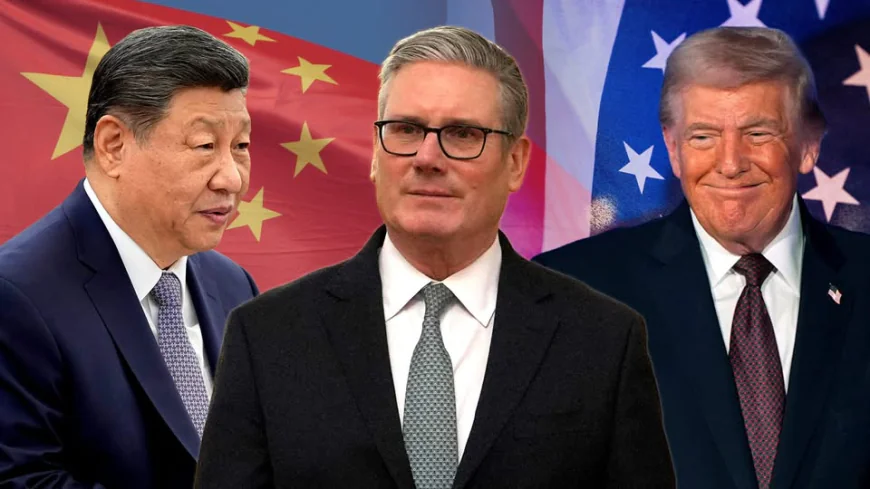
In early 2026, the UK and Canada began adjusting their approach to China, signalling noticeable changes in their diplomatic relationships.
These shifts suggest that Western countries are rethinking how closely to engage with Beijing amid a period of unsettled global politics, shaped by political uncertainty in the United States, growing concerns about Chinese espionage—including cyber-attacks and intelligence gathering—trade tensions, and long-term competition over influence and security.
Geopolitics, the study of how a country’s location, resources, economic power, and strategic position shape its foreign policy and international relationships, is central to understanding these dynamics.
For example, the UK and Canada must balance economic opportunities with China against their alliance obligations with the US, particularly through the Five Eyes intelligence network, while navigating Beijing’s expanding influence and Washington's shifting priorities under both the Trump and Biden administrations.
Recalibrating Relationships with China
In January 2026, UK Prime Minister Sir Keir Starmer made the first visit by a British prime minister to Beijing in eight years, aiming to revisit the UK-China relationship.
He and Chinese President Xi Jinping discussed trade, investment, and cooperation amid strained relations over the past few years.
Regarding strained relations, China's ties with Western countries, such as the UK and Canada, have been strained in recent years due to a mix of security, political, and economic tensions.
Both governments have raised concerns over alleged Chinese espionage, cyber activity, and interference in domestic affairs.
Disputes over human rights in Hong Kong and Xinjiang have further eroded trust, while restrictions on Chinese technology firms such as Huawei have fuelled diplomatic friction.
Trade disagreements and past retaliatory actions have also left lingering resentment. As a result, any renewed cooperation now takes place cautiously, against a background of deep mistrust and unresolved disagreements.
Similarly, Canadian Prime Minister Mark Carney visited China, marking the first visit by a Canadian leader in nearly a decade.
His mission focused on diversifying Canada’s trade relationships beyond the United States, a long-standing partner, and on reducing punitive tariffs on Canadian agricultural exports such as canola and lobster.
Canola is a major Canadian oilseed crop used globally in cooking oil and food products. Because Canada is one of the world’s largest exporters, Chinese restrictions have had a significant impact on Canadian farmers.
Lobster refers to Canada’s seafood exports, particularly from Atlantic provinces like Nova Scotia. Lobster is a high-value export, and China is an important market for it.
What is the Five Eyes?

The Five Eyes intelligence alliance — comprising the United States, United Kingdom, Canada, Australia and New Zealand — historically coordinated foreign intelligence in support of shared security interests. It originated after World War II as a close signals-intelligence partnership.
However, recent moves by Canada and the UK to “refresh” ties with China — even as they maintain formal membership in Five Eyes — have prompted debate over how rigid the alliance should remain when national economic interests and U.S. policy push countries in new directions.
The South China Morning Post noted that these visits reflect how Washington’s “America First” strategy has caused some member states to rethink their approach toward Beijing, even while they continue intelligence cooperation.
Espionage and Security Concerns
Concerns about Chinese espionage have been central to Western scepticism toward deeper engagement.
Intelligence officials in Britain and Canada have previously raised alarms over foreign interference and sophisticated influence campaigns tied to Beijing.
Official reports and inquiries, such as Canada’s Countering Foreign Interference Act, have underscored persistent Chinese efforts to shape political processes and public opinion through covert means.
In the UK, national security debates have also surfaced around high-profile cases involving alleged Chinese spies, some of which collapsed amid controversy, prompting criticism that Britain's handling of such matters could weaken trust among its allies — including the U.S. — and strain intelligence cooperation within frameworks like Five Eyes.

Trump vs. Biden on China
The dynamic between Washington and its allies has been shaped heavily by contrasting U.S. approaches under former President Donald Trump and current President Joe Biden.
Under Trump’s re-election campaign, China has been framed as an adversary on both economic and strategic fronts.
Trump has threatened tariffs — for example, warning that the U.S. might impose 100 per cent tariffs on Canadian goods in retaliation for trade deals with China — and publicly cautioned the UK against deepening economic ties with Beijing, calling such moves “very dangerous.”
Trump’s comments underscore a transactional worldview in which alliances are contingent on alignment with U.S. policy goals, even to the point of warning that Canada “can’t look at China as the answer.”
By contrast, the Biden administration earlier pursued a more multilateral approach, seeking to bring Western allies together in addressing China’s economic and technological rise.
Biden’s strategy emphasised strengthening democratic partnerships and coordinated responses to Chinese state practices, such as export controls and sanctions. This shift from multilateral coalition-building to a more unilateral and unpredictable posture under Trump has encouraged partners like the UK and Canada to broaden their diplomatic options.
The diplomatic recalibrations by the UK and Canada toward China in early 2026 illustrate how trade priorities, security concerns, and shifts in U.S. leadership are reshaping Western alliances.
Balancing economic opportunities with Beijing against commitments to the United States and the Five Eyes network requires careful navigation, particularly amid espionage fears and global strategic competition.
These developments suggest that Western cohesion on China is becoming more flexible and transactional, with countries pursuing national interests while maintaining broad alliance frameworks.
As Beijing leverages diplomacy, trade, and strategic influence, the evolving relationships of the UK, Canada, and the U.S. will continue to shape the global balance of power in the coming years.
What's Your Reaction?
 Like
0
Like
0
 Dislike
0
Dislike
0
 Love
0
Love
0
 Funny
0
Funny
0
 Wow
0
Wow
0
 Sad
0
Sad
0
 Angry
0
Angry
0

I’m a freelance writer with a passion for business, lifestyle, and opinion pieces that explore culture, trends, and real-world insights. I bring a perspective that blends professional knowledge with cultural awareness, drawing on my experience in real estate and a keen interest in South Asian lifestyle and culture. I hold a Master’s in Popular Music Practice, and outside of writing, I enjoy playing the flute and reading about philosophy and psychology. I love crafting engaging, thought-provoking stories and am always excited to pitch fresh ideas or take on features that connect communities, trends, and the bigger picture.

















Comments (0)