

Volkswagen’s Sales Slump: Trade Tensions, EV Competition and a Slow Recovery
Volkswagen’s global sales stumble highlights the twin pressures of fierce EV competition in China and costly U.S. tariffs, revealing broader challenges for Germany’s export-driven auto industry.
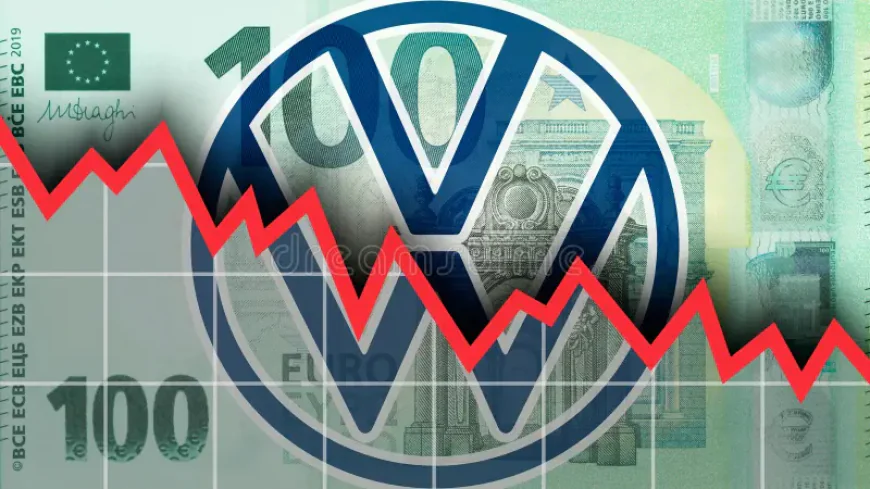
The Shift in Market Performance
German automaker Volkswagen reported a decline in global sales for 2025, with its core brand delivering 4.37 million vehicles worldwide, representing a 1.4% decrease from the previous year.
The slowdown was particularly pronounced in major export markets: sales in China fell by 8.4% amid intense competition from domestic electric-vehicle makers, while North American deliveries declined by about 8.2%, influenced in part by new U.S. tariffs. — that contrasted with stronger demand in Europe and South America, where deliveries rose by 5.1% and 18.5% respectively.
Electric vehicle (EV) deliveries overall were slightly down year-over-year, although they grew significantly within Europe and in Germany itself.
Volkswagen’s results reflect a broader challenge for Germany’s largest carmaker and the country’s export-oriented automotive industry, which has traditionally been a pillar of its economy.
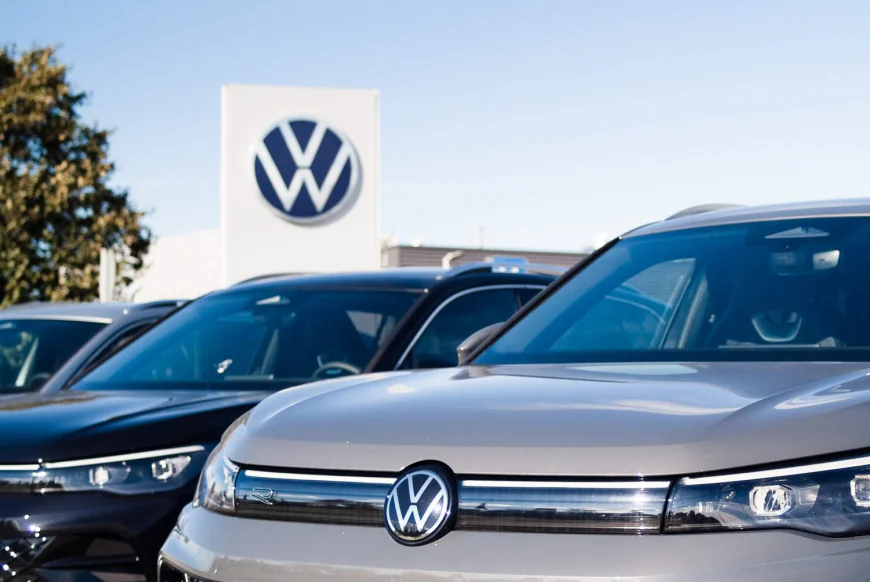
China and the United States: Key Markets Under Pressure
A big part of Volkswagen’s recent slump stems from challenges in its two most important overseas markets — China and the United States.
In China, once the world's fastest-growing car market, demand has started to slow, and competition has intensified dramatically. Volkswagen — long a top seller there — saw its sales decline by about 8% in 2025, and the brand dropped to third place in overall market share as rapidly growing local companies, such as Geely and BYD, gained ground.
Foreign automakers have struggled to keep up with these competitors, particularly in the electric vehicle segment, where Chinese firms are launching newer models faster and often at lower prices than their European rivals.
According to Zacks, one industry observer noted that the Chinese market is now so competitive that “foreign brands continue to lose ground as domestic automakers consolidate their dominance”.
China’s rapid adoption of electric and new energy vehicles has reshaped the landscape, making it harder for traditional global brands to maintain the growth they once enjoyed.
According to Car News China, the Volkswagen Group delivered over 8.9839 million vehicles globally in 2025, down 0.5% year-on-year. Of those, 983,100 units were all-electric vehicles, up 32% year-on-year, accounting for 10.9% of the Group’s global sales”.
In the United States, Volkswagen and other European manufacturers have also faced headwinds, though for different reasons.
New tariffs on imported vehicles and auto parts — penalties imposed by the U.S. government — have raised costs for cars shipped from Europe and Mexico.
Trade tensions and tariffs — taxes on imported goods — have added another layer of difficulty. For example, exports to the United States, Germany’s largest trading partner outside the EU, dropped sharply after new U.S. tariffs were introduced, contributing to an unexpected fall in overall export volumes.
This kind of protectionist policy makes German products more expensive and less competitive overseas, dampening demand.
Analysts warn that this could lead to significantly higher prices for American buyers, with some estimates suggesting prices might rise by several thousand dollars per vehicle.
According to Euro News, “I find that imports of automobiles and certain automobile parts continue to threaten to impair the national security of the United States and deem it necessary and appropriate to impose tariffs,” the White House statement said.
Together, slowing demand in China and tariff-induced cost challenges in the United States have put significant strain on Volkswagen’s global sales performance, illustrating how shifts in market dynamics and trade policy can ripple through even the world’s biggest carmakers.
Why Germany’s Economic Recovery Is Expected to Be Slow
Economists don’t expect Germany’s economy to suddenly bounce back strongly — instead, forecasts point to gradual, modest growth over the next couple of years.
According to the German central bank, the Bundesbank now predicts that the country’s GDP — the total value of all goods and services produced — will expand by about 0.6% in 2026, followed by a somewhat stronger yet still moderate growth of around 1.3% in 2027.
Bundesbank President Joachim Nagel explained that this rebound will take time, saying the recovery will “only provide more significant support for economic growth in the course of the coming year.”
One key reason for the slow pace is that Germany is still adjusting to a period of weak demand overseas, particularly in export markets. Exports — which have traditionally driven much of Germany’s growth — fell significantly and are only expected to rise slowly in 2026 as global trade conditions stabilise.
This means that companies in manufacturing and industry are not yet seeing a strong surge in orders from abroad.
The government has loosened fiscal rules to allow for higher investment in roads, railways, broadband, and military equipment. The Bundesbank’s forecast notes that this public spending will “significantly increase GDP growth by the end of 2027” as the effects of these large projects gradually work their way through the economy.
Auto Industry Outlook: Opportunity Amid Growing Pressure
For Volkswagen and the broader automotive industry, the global shift toward electric vehicles (EVs) continues to present growth opportunities, particularly in Europe. Demand for EVs has strengthened in several European markets, driven by stricter emissions rules, government incentives and increasing consumer acceptance.
Volkswagen has benefited from this trend, reporting a significant increase in electric vehicle deliveries in Europe, particularly in Germany, which indicates that the company remains competitive in regions where electrification is advancing.
The automaker has said that “demand for all-electric models developed positively in Europe,” reinforcing EVs as a central pillar of its long-term strategy.
The broader outlook for the auto industry remains challenging.
According to German News Service, "EV sales failed to achieve growth overall, with some 382,000 all-electric ID models delivered worldwide in 2025, down 0.2% year-on-year.
By contrast, EV deliveries in Europe were up by nearly 50% to 248,000 vehicles. In the German domestic market, EV sales rose by 60% year-on-year, reaching 94,000 deliveries."
Competition has intensified sharply, particularly from Chinese manufacturers, which have expanded rapidly in the electric vehicle segment.
These companies often offer EVs at lower prices and with competitive technology, forcing established carmakers such as Volkswagen to cut prices or raise spending on innovation. This has increased pressure on profit margins, making a swift return to strong global sales growth unlikely.
Overall, while the shift to electric vehicles offers clear opportunities, pricing pressure, fierce competition and uncertain export conditions suggest that any recovery in global auto sales will be gradual rather than rapid.
What's Your Reaction?
 Like
0
Like
0
 Dislike
0
Dislike
0
 Love
0
Love
0
 Funny
0
Funny
0
 Wow
0
Wow
0
 Sad
0
Sad
0
 Angry
0
Angry
0

I’m a freelance writer with a passion for business, lifestyle, and opinion pieces that explore culture, trends, and real-world insights. I bring a perspective that blends professional knowledge with cultural awareness, drawing on my experience in real estate and a keen interest in South Asian lifestyle and culture. I hold a Master’s in Popular Music Practice, and outside of writing, I enjoy playing the flute and reading about philosophy and psychology. I love crafting engaging, thought-provoking stories and am always excited to pitch fresh ideas or take on features that connect communities, trends, and the bigger picture.

















Comments (0)