

BMW Elevates Milan Nedeljković From Production Chief to CEO
BMW has handed the wheel to production veteran Milan Nedeljković, betting that his factory-floor expertise will be the key to steering the automaker through its high-stakes EV transformation.
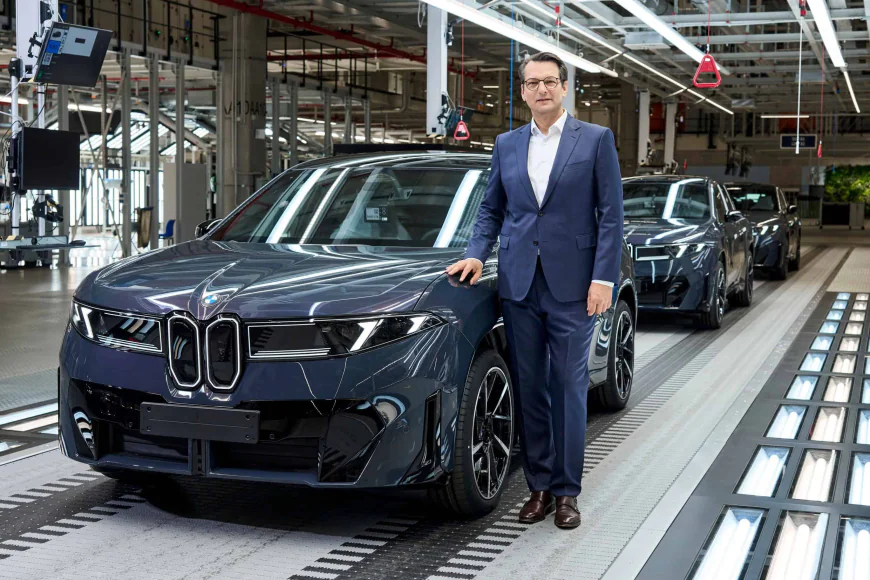
On December 9, 2025, BMW named Milan Nedeljković, its longtime production chief, as its next CEO — a strategic shift that comes at a defining moment for the automaker.
The change at the top comes as the German automaker navigates intensifying global headwinds — rising tariffs, fierce competition from China, and the demanding transition to electric vehicles (EVs)
The move signals a shift in strategy: rather than bringing in an outsider with flashy ideas, BMW is placing its trust in a company veteran with deep operational knowledge to steer the next phase — one defined by electrification, production retooling, and global uncertainty.
Why Nedeljković? Understanding BMW’s Decision
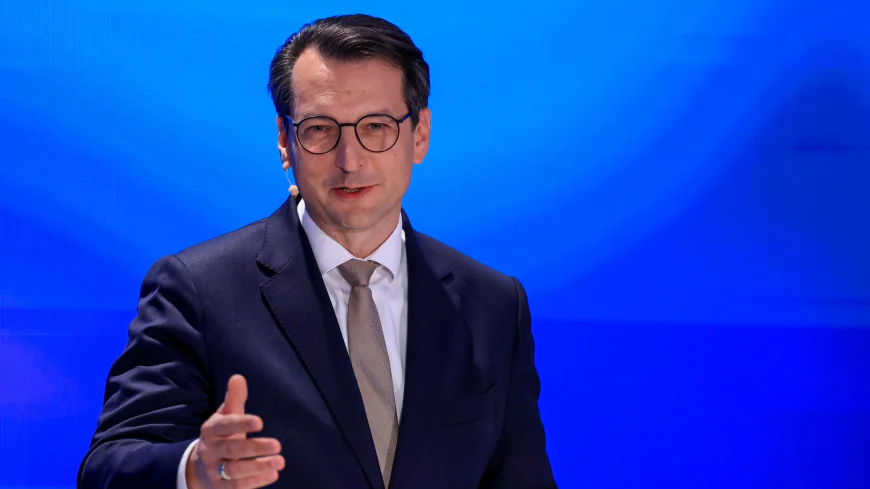
Nedeljković’s appointment reflects what the automaker regards as its most pressing needs in 2026: execution, stability, and continuity amid transformation.
According to Trading View, he has spent more than three decades at BMW, having joined in 1993 as a trainee and steadily climbed the ranks through a succession of plant- and production-related roles: from the paint shop at MINI Oxford to managing BMW plants in Leipzig and Munich, and later serving as Senior Vice President for Corporate Quality. Since 2019, he has served on the company’s Board of Management, where he is responsible for its global production network.
As head of production, he has overseen a sprawling network of more than 30 production sites worldwide. Under his watch, BMW has begun retooling factories to launch the upcoming all-electric “Neue Klasse” model family — a key element of the company’s strategy to compete with Chinese EV makers and U.S. rivals
The Supervisory Board praised him for “strategic foresight, strong implementation skills, and entrepreneurial thinking,” as well as his ability to unite people behind shared values and motivate them for high performance.
In short, BMW appears to be betting that production-line mastery, operational discipline, and consistency will matter more than flash or external status as the company pivots toward EVs and global consolidation.
What Nedeljković Brings — And What’s at Stake
Nedeljković’s strengths lie in deep institutional memory, technical knowledge, and a granular understanding of the company’s manufacturing operations — attributes particularly valuable in this transition period.
Institutional Expertise & Operational Credibility
Having worked across multiple plants and roles, he has a deep understanding of BMW’s internal systems, culture, and production challenges. That makes him especially suited to manage the logistical complexity of converting factories, reassigning production lines, and balancing ICE (internal combustion engine) manufacturing with EV output across different global sites.
EV-Era Leadership & “Neue Klasse” Execution
Under his lead, BMW’s production network is being reshaped to support the Neue Klasse platform: internal combustion manufacturing is being consolidated at selected sites, while other plants are upgraded for EV production or software-defined vehicle (SDV) output.
Analysts and board members seem to view him as the right choice to deliver on the company’s ambition — all 40+ upcoming models through 2027 are expected to fall under the Neue Klasse umbrella.
Reaction: Cautious Optimism — with Eyes on China and EV Delivery
Reactions across the industry, investors, and within BMW have been largely measured but cautiously optimistic.
From the Board — A Vote of Confidence
In its official press release, the Supervisory Board described Nedeljković as a leader with both technical competence and motivational capability, someone capable of managing resources — financial and ecological — with precision.
They highlighted his track record of uniting teams behind shared values and delivering results, key traits as BMW steers into a new era.
"Milan Nedeljković convinces with his strategic foresight, strong implementation skills, and entrepreneurial thinking. He stands for very focused management of resources—whether financial or ecological," said Dr Nicolas Peter, Chairman of the Supervisory Board of BMW AG. "
Nedeljković’s contract extends through 2031 — a signal from BMW’s Supervisory Board of long-term confidence in his leadership. The company appears to prioritise stability and resource-focused management at a time of major upheaval.
The Key Challenge: Global Markets & EV Competition
Market watchers highlight that the real test for Nedeljković is soon to come. BMW’s success will increasingly hinge on how well the company executes the Neue Klasse rollout, competes in China, and manages costs and supply chains in a volatile global environment.
One voice of caution, according to Live Mint, Moritz Kronenberger, portfolio manager at a significant BMW shareholder group, warned that much of Nedeljković’s legacy will rest on performance in China. As he put it, “The success of the Nedeljkovic era will be decided in China.”
According to a recent Reuters report, “BMW's appointment of Nedeljković is a move to steer the automaker's sales growth back, particularly in the Chinese market, amid the rise of local rivals in the Asian nation”
Success there could therefore anchor BMW’s global EV ambitions; failure might expose underlying vulnerabilities.
By elevating Milan Nedeljković, BMW has chosen continuity over experimentation — a steady hand for a delicate transition. As CEO, he inherits the enormous responsibility of guiding the company through a rapidly evolving automotive landscape: high global competition, rising consumer demand for EVs, increasingly strict environmental regulations, and growing pressure on supply chains and costs.
According to German News Service, board chairman Nicolas Peter said Zipse had "led BMW through global crises such as the Covid-19 pandemic and represents the Neue Klasse [New Class] as the largest strategic project in the company's history."
Furthermore, Peter praised his "strategic foresight, strong implementation skills, and entrepreneurial thinking," adding that he "stands for very focused management of resources — whether financial or ecological."
In many ways, 2026 marks the beginning of BMW’s most pivotal decade since its founding. With a seasoned insider at the helm, all eyes will be on production floors, factory conversions, EV sales figures — and whether this steady hand can steer a legacy brand through a historic transformation.
What's Your Reaction?
 Like
0
Like
0
 Dislike
0
Dislike
0
 Love
0
Love
0
 Funny
0
Funny
0
 Wow
0
Wow
0
 Sad
0
Sad
0
 Angry
0
Angry
0

I’m a freelance writer with a passion for business, lifestyle, and opinion pieces that explore culture, trends, and real-world insights. I bring a perspective that blends professional knowledge with cultural awareness, drawing on my experience in real estate and a keen interest in South Asian lifestyle and culture. I hold a Master’s in Popular Music Practice, and outside of writing, I enjoy playing the flute and reading about philosophy and psychology. I love crafting engaging, thought-provoking stories and am always excited to pitch fresh ideas or take on features that connect communities, trends, and the bigger picture.





Comments (0)