

Operation Absolute Resolve: How the U.S. Captured Venezuela’s Nicolás Maduro
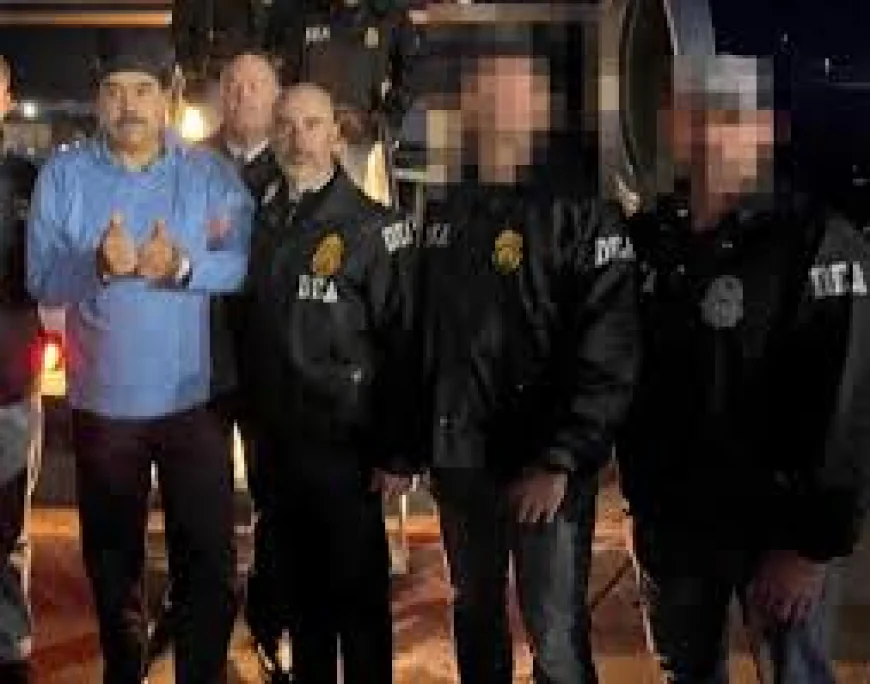
A dramatic escalation in U.S.–Venezuela relations culminated on January 3, 2026, when United States military and law-enforcement forces executed a surprise operation codenamed Operation Absolute Resolve, striking Venezuelan military sites and capturing President Nicolás Maduro and his wife, Cilia Flores. The operation followed years of political tension, legal indictments, economic sanctions, and a growing U.S. military buildup in the Caribbean tied to allegations that Maduro’s government was deeply involved in drug trafficking and undermining democracy. Maduro was flown to New York, where he faces drug-related charges in federal court. The action has ignited fierce international debate over legality, sovereignty, and regional stability.
How a Long-Running Conflict Led to Maduro’s Capture
A Polarizing Presidency and U.S. Tensions
Nicolás Maduro, in power since 2013, presided over Venezuela amid economic collapse, disputed elections, and mounting accusations of authoritarianism. Relations with the United States deteriorated significantly after the 2024 election, widely criticized internationally as neither free nor fair which prompted harsh U.S. sanctions and diplomatic isolation.
Legal Pressure and Criminal Charges
The U.S. Department of Justice first indicted Maduro in 2020 on narcotics trafficking and related conspiracy charges. Over time, these indictments expanded, and by 2025 the U.S. had offered up to $50 million for information leading to his arrest, alleging connections between Maduro’s government and major drug-trafficking networks.
Escalating Military Posture in the Caribbean
In 2025, President Donald Trump significantly increased military pressure in the region, dispatching naval forces and additional U.S. troops to the Caribbean and targeting vessels accused of smuggling narcotics. U.S. policymakers framed this buildup as part of a broader campaign against drug cartels and destabilizing foreign influence, despite widespread criticism that such actions risked regional destabilization.
Operation Absolute Resolve: The Raid and Arrest
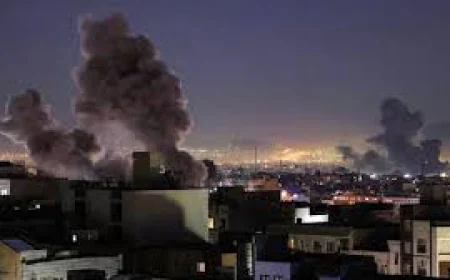
In the early hours of January 3, 2026, U.S. forces launched a coordinated strike involving more than 150 aircraft and elite special operations units targeting strategic Venezuelan military sites around Caracas. The well-planned assault quickly overwhelmed defenses, allowing U.S. forces to secure and extract Maduro and his wife in a helicopter operation before flying them to the United States.
Once in U.S. custody, Maduro and Flores were processed and began facing charges in federal court in New York, where they are being held pending trial.
International and Domestic Reactions
The capture sparked a wide range of responses:
-
United Nations concerns: The U.N. Secretary-General and legal experts warned that the U.S. operation may violate international law by using force against a sovereign state without Security Council authorization.
-
Global diplomatic backlash: Countries including China, Russia, Brazil, and Mexico condemned the operation as a breach of sovereignty, while others called for adherence to international norms.
-
U.S. political debate: Domestically, politicians and activists were deeply divided with some praising the removal of a leader accused of criminal conduct and others decrying the action as unlawful and risky, possibly lacking Congressional authorization.
Looking Ahead
As Maduro prepares to face U.S. drug charges, Venezuela’s vice president has assumed interim leadership, and commercial flights are resuming in the region. The operation’s long-term impact on Venezuelan governance, U.S.–Latin America relations, and global norms regarding sovereignty and intervention remain intensely debated.
Sources:
Reuters/ The New York Times/ Wikipedia
What's Your Reaction?
 Like
0
Like
0
 Dislike
0
Dislike
0
 Love
0
Love
0
 Funny
0
Funny
0
 Wow
0
Wow
0
 Sad
0
Sad
0
 Angry
0
Angry
0

Shirley Ama Acquah Content Creator | Copywriting Specialist | Digital Content Strategist A dynamic storyteller with a sharp editorial eye, I craft compelling content that engages audiences and drives meaningful conversations. With a background in [persuasive writing, digital media,social media marketing], I specialize in high-impact copywriting, from SEO-driven articles and persuasive marketing copy to in-depth entertainment reviews and trend analysis. My work bridges creativity and strategy, whether dissecting the latest streaming trends, developing brand narratives, or optimizing content for maximum reach. I don’t just write; I create experiences that resonate with readers and convert casual viewers into loyal followers. Key Strengths: ✔ Versatile Content Creation (blogs, scripts, social media, SEO) ✔ Entertainment & Pop Culture Analysis (TV, film, streaming trends) ✔ Brand & Audience-First Writing (tone-adaptive, platform-optimized) ✔ Data-Informed Storytelling (analytics meets creativity) Let’s collaborate or connect: [amaboah23@gmail.com]












Comments (0)