

The Old Me Died in Jail”: Diddy’s Four-Page Letter Before His 50-Month Sentence
Sean “Diddy” Combs has been sentenced to 50 months in federal prison, following his conviction for transporting individuals across state lines for prostitution. Days before his sentencing, he penned a four-page emotional letter to the judge, a final attempt to show remorse and plead for leniency. The letter, now public, reveals Diddy’s reflections on guilt, regret, and rebirth. Yet, despite his words, the court handed down a sentence that underscores accountability over celebrity influence.
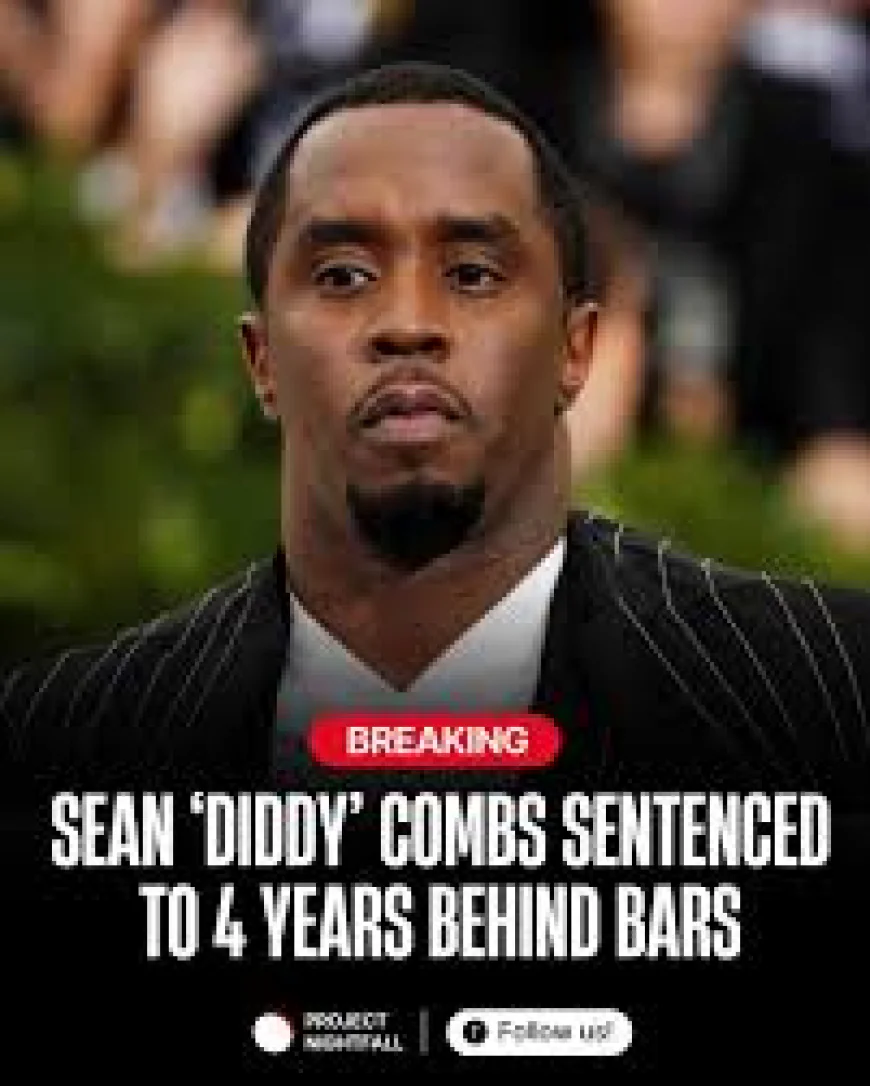
From Hotel Scandal to 50 Months behind bars: Inside Diddy's Four-Page Plea for Mercy and Redemption
It started with a jaw-dropping hotel video, a powerful music mogul caught on camera assaulting his ex, Cassie Ventura. Within weeks, the footage ignited a nationwide firestorm, triggering federal raids on Sean “Diddy” Combs’ Los Angeles and Miami mansions. What investigators uncovered painted a darker picture than anyone expected: claims of sexual abuse, trafficking, and exploitation that spanned years and blurred the line between luxury and control. As lawsuits piled up and former associates turned witnesses, Diddy’s empire began to crumble. Now, after months of public scrutiny, court battles, and a last-minute four-page plea for mercy, the hip-hop titan has been sentenced to 50 months in federal prison, a stunning fall from grace for one of entertainment’s biggest names.
The Sentence: 50 Months Behind Bars
On October 3, 2025, U.S. District Judge Arun Subramanian sentenced music mogul Sean “Diddy” Combs to 50 months in prison, just over four years for violating the Mann Act by transporting women across state lines for prostitution.
While prosecutors had pushed for a sentence exceeding 11 years, the court settled on a significantly shorter term, citing both mitigating factors and Combs’ “belated but meaningful acceptance of responsibility.”
His four-page handwritten letter, submitted ahead of sentencing, became a focal point of the hearing and a potential reason the judge opted for a middle-ground decision.
What Diddy Wrote: “The Old Me Died in Jail”
Combs’ letter was deeply emotional and introspective. Addressing Judge Subramanian directly, he wrote:
“First and foremost, I want to apologize and say how sincerely sorry I am for all of the hurt and pain that I have caused others by my conduct.”
He also referenced the viral video of him assaulting his former partner, Cassie Ventura, saying the images “play over and over in my head daily.” He continued:
“I was dead wrong for putting my hands on the woman I loved. I’m sorry for that and always will be.”
Combs described his time behind bars as transformative:
“Over the past year, there were days I thought I’d be better off dead. The old me died in jail, and a new version of me was reborn. Prison will change you or kill you, I choose to live.”
He ended the letter with a plea for mercy, saying he had found “clarity through sobriety, therapy, and faith,” and that he hoped to one day “be an example of redemption, not ruin.”
Judge’s Response and Sentencing Tone
While the judge acknowledged Diddy’s remorse and noted his clean conduct during pre-trial detention, he emphasized that celebrity status does not exempt anyone from the law.
Judge Subramanian reportedly told the court, “Apology is the beginning of accountability, not its end. Mr. Combs’ words today, and in his letter, will be judged by his actions moving forward.”
Prosecutors had argued that Diddy’s crimes were part of a broader pattern of exploitation and manipulation, while the defense insisted that the case had been exaggerated by public opinion and past media coverage.
The resulting 50-month sentence; while less than half of what prosecutors requested, still represents a major fall from grace for the once-revered entertainment mogul.
Public Reaction: Sympathy and Skepticism
The letter and sentence have ignited debate online. Supporters praise Combs for taking “full responsibility” and hope he will use his time to rebuild and mentor others. Critics, however, see the letter as a strategic move designed to win leniency, not genuine contrition.
Legal analysts also note that Diddy’s open acknowledgment of his assault on Cassie Ventura, though unrelated to the charges in this case, might have influenced the judge’s perception of sincerity.
On social media, the reaction is split: some call it “a human moment of humility”, while others say “the letter can’t undo years of abuse.”
Was the Letter Effective? A Measured Win
In practical terms, the letter did help; at least partially. A 50-month sentence suggests that the judge credited Combs’ remorse and rehabilitative efforts. But the punishment remains severe enough to signal that accountability still outweighs image repair.
What the Letter Achieved
1. Likely contributed to a lighter sentence than the prosecution’s request.
2. Recast Diddy’s narrative from defiance to repentance and reform.
3. Softened public perception among some fans and commentators.
What It Couldn’t Undo
1. The legal gravity of his actions.
2. The lasting reputational damage from both criminal findings and public outrage.
3. The skepticism that often follows high-profile apologies in the #MeToo era.
Conclusion: A Fall, a Lesson, and a Long Road Ahead
Sean “Diddy” Combs’ four-page letter reads as part confession, part redemption plea. It shows a man grappling with his downfall, but also a system balancing mercy and justice.
His 50-month sentence marks not only a legal turning point but also a moral reckoning for one of hip-hop’s most influential figures. Whether his self-proclaimed rebirth proves real will depend on what he does next after the prison gates close behind him.
What's Your Reaction?
 Like
0
Like
0
 Dislike
0
Dislike
0
 Love
0
Love
0
 Funny
0
Funny
0
 Wow
0
Wow
0
 Sad
0
Sad
0
 Angry
0
Angry
0

Shirley Ama Acquah Content Creator | Copywriting Specialist | Digital Content Strategist A dynamic storyteller with a sharp editorial eye, I craft compelling content that engages audiences and drives meaningful conversations. With a background in [persuasive writing, digital media,social media marketing], I specialize in high-impact copywriting, from SEO-driven articles and persuasive marketing copy to in-depth entertainment reviews and trend analysis. My work bridges creativity and strategy, whether dissecting the latest streaming trends, developing brand narratives, or optimizing content for maximum reach. I don’t just write; I create experiences that resonate with readers and convert casual viewers into loyal followers. Key Strengths: ✔ Versatile Content Creation (blogs, scripts, social media, SEO) ✔ Entertainment & Pop Culture Analysis (TV, film, streaming trends) ✔ Brand & Audience-First Writing (tone-adaptive, platform-optimized) ✔ Data-Informed Storytelling (analytics meets creativity) Let’s collaborate or connect: [amaboah23@gmail.com]














Comments (0)