

Israel Marks 2 Years Since Hamas Attack Amid Renewed Push to Free Hostages
On October 7, 2025, Israel marked two years since the Hamas-led attack that killed over 1,200 people and took hundreds hostage. The commemoration; held across communities, memorial sites, and in major cities carried profound emotional weight, coinciding with ongoing peace talks in Egypt aimed at securing the release of remaining hostages and ending the war in Gaza. The day became not only one of mourning but also of political reflection, unity, and renewed urgency toward peace and justice.
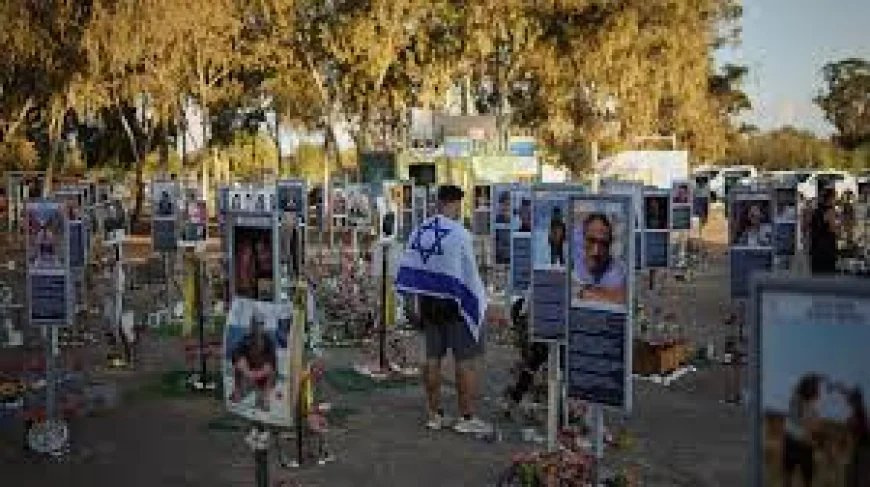
Two Years After October 7: Israel Remembers Amid Fragile Peace Talks
As Israel mourns the victims of the 2023 attack, the nation’s grief merges with hope for a breakthrough in ongoing hostage negotiations.
A Nation Reflects
Two years have passed since the October 7, 2023, attack; a day that changed Israel’s course and reshaped the region’s political landscape. The Hamas-led assault left 1,200 Israelis dead and more than 250 people taken hostage, triggering a protracted war in Gaza that continues to this day.
On October 7, 2025, Israelis gathered across the country to remember those lost, to honor survivors, and to renew calls for the safe return of hostages still held in Gaza. The commemoration carried both sorrow and defiance, a blend of grief and resilience that defines the nation’s current mood.
At 6:29 a.m., the exact time the attacks began, a nationwide moment of silence was observed. Vigils were held in southern communities near Gaza, where the assault had hit hardest, and at the Nova music festival site, where hundreds were killed or kidnapped.
Commemorations Across Israel
In Tel Aviv’s Yarkon Park, tens of thousands gathered under the banner of Kumu (“Rise Up”), an organization formed by families of victims and hostages. Speeches from released hostages, survivors, and relatives echoed through the park, demanding not only remembrance but justice and government accountability.
“Their memory must push us toward action,” said one speaker, a mother of a still-captive soldier. “We cannot just mourn; we must bring them home.”
While these civilian-led events united many, Israel’s government held off on an official national ceremony until later in the Hebrew calendar, a decision that reflected ongoing political divisions and sensitivities surrounding the war’s direction and leadership accountability.
A Divided Yet Determined Nation
The absence of a state-led commemoration on October 7 sparked mixed reactions. Some saw it as respect for local mourning; others saw it as a missed opportunity for national solidarity.
Still, across the country from Jerusalem to Sderot, families displayed photos of the fallen, lit memorial candles, and tied yellow ribbons symbolizing the hope of bringing hostages home. Sirens briefly wailed in the south after a rocket was launched from Gaza during the memorial, a stark reminder that the conflict still lingers.
The Weight of Memory Amid Peace Talks
This year’s anniversary coincided with renewed peace negotiations in Egypt, where Israeli, Hamas, Egyptian, Qatari, and U.S. representatives met in hopes of reaching a ceasefire and securing hostage releases.
The emotional weight of the commemoration adds pressure to the talks, amplifying the urgency for results. For the families of those still missing, every speech, every candle, and every news update is tied to one central demand: “Bring them home.”
Analysts say that the memory of October 7 plays a complex role in diplomacy. It strengthens Israel’s resolve and global sympathy, yet it also risks hardening positions if grief turns into refusal to compromise. The challenge for negotiators is to turn remembrance into momentum for peace, not renewed division.
A Bridge or a Barrier to Peace?
For Israel, October 7 is no longer just a date, it’s a defining point in its modern identity. The second anniversary has shown that memory can serve both as a wound and a compass.
While the war in Gaza drags on, many Israelis hope that honoring the dead and fighting for the living are not separate causes, but intertwined ones. As one survivor put it:
“If we can turn our pain into purpose and our mourning into mercy, then perhaps October 7 won’t only be remembered for the horror, but for the peace that followed.”
Source:
DWTV/The Guardian/Reuters
What's Your Reaction?
 Like
0
Like
0
 Dislike
0
Dislike
0
 Love
0
Love
0
 Funny
0
Funny
0
 Wow
0
Wow
0
 Sad
0
Sad
0
 Angry
0
Angry
0

Shirley Ama Acquah Content Creator | Copywriting Specialist | Digital Content Strategist A dynamic storyteller with a sharp editorial eye, I craft compelling content that engages audiences and drives meaningful conversations. With a background in [persuasive writing, digital media,social media marketing], I specialize in high-impact copywriting, from SEO-driven articles and persuasive marketing copy to in-depth entertainment reviews and trend analysis. My work bridges creativity and strategy, whether dissecting the latest streaming trends, developing brand narratives, or optimizing content for maximum reach. I don’t just write; I create experiences that resonate with readers and convert casual viewers into loyal followers. Key Strengths: ✔ Versatile Content Creation (blogs, scripts, social media, SEO) ✔ Entertainment & Pop Culture Analysis (TV, film, streaming trends) ✔ Brand & Audience-First Writing (tone-adaptive, platform-optimized) ✔ Data-Informed Storytelling (analytics meets creativity) Let’s collaborate or connect: [amaboah23@gmail.com]














Comments (0)