

No More “Vegan Burgers”? EU Moves to Ban Meat Words on Plant-Based Foods
The European Union is moving forward with a controversial proposal to ban “meaty” names such as burger, sausage, and steak from plant-based products. The decision, backed by several farming lobbies, aims to prevent consumer confusion, but critics say it’s an attack on innovation and sustainability. As the debate heats up, the outcome could redefine how vegan food is marketed across Europe and beyond.
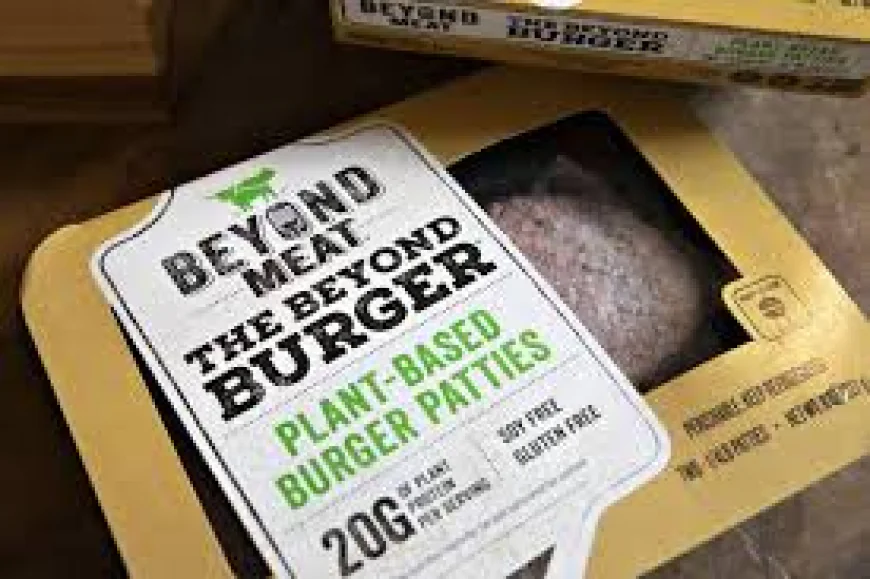
EU to Ban Meat Labels on Vegan Products: A New Food Fight in Europe
The New Labeling Proposal
The EU is preparing to introduce new legislation that would restrict plant-based food producers from using terms traditionally associated with animal meat. Under the proposed rules, words like vegan burger, soy sausage, or plant-based steak could soon be banned from packaging and advertising across member states.
Instead, vegan alternatives might be forced to use descriptors such as plant disc, vegetable tube, or soy patty; terms already criticized for being unappealing and confusing to consumers.
The measure forms part of a broader update to EU food labeling laws designed to ensure “honest marketing and transparency” in the agri-food sector.
Source:
DWTV/APNews/TheGuardian
Farmers Applaud, Activists Outraged
Supporters of the proposal including major European farming unions argue that the move is long overdue. They say meat-related terms are being unfairly co-opted by plant-based companies, misleading customers and diluting the cultural and economic value of traditional farming.
“A sausage is made from meat — not soy or peas,” said Philippe Leroux, spokesperson for COPA-COGECA, the largest EU farming lobby. “Consumers deserve clarity. The current labels are deceptive.”
But plant-based food producers and climate advocates have condemned the proposal, calling it protectionist and out of touch with modern dietary trends.
“This is not about consumer protection, it’s about protecting the meat industry,” countered Eva Greenfield of the European Plant-Based Alliance. “People know what a vegan burger is. No one thinks it contains beef.”
The Market at Stake
The EU’s plant-based food market has grown rapidly in recent years, reaching over €5 billion in annual sales. Major brands like Beyond Meat, Oatly, and Nestlé’s Garden Gourmet have expanded their European presence as demand for sustainable and ethical diets rises.
Analysts warn that restrictive labeling could hinder growth and innovation, especially for small vegan startups already facing tight margins and marketing challenges.
A similar restriction in France was recently suspended after a court ruled that it could “unfairly restrict freedom of commerce.” Legal experts say the EU’s new attempt could face similar pushback in the European Court of Justice.
Environmental and Ethical Implications
Beyond market concerns, the debate taps into Europe’s broader climate and sustainability goals. The European Commission has committed to reducing carbon emissions and promoting sustainable food production through its Farm to Fork strategy.
Plant-based foods have been shown to generate up to 90% fewer emissions than their meat counterparts — a key reason why environmentalists view this labeling ban as counterproductive.
“If Europe wants to lead in climate policy, discouraging plant-based diets is the wrong direction,” said Dr. Nina Schuster, a sustainability researcher at Wageningen University.
Public Opinion Divided
A recent Eurobarometer poll found that 61% of Europeans oppose banning meat-related terms for vegan products, arguing that the current labels are clear enough. Younger consumers, particularly under 35, were most resistant to the idea, viewing it as “regressive” and “anti-choice.”
However, rural and older populations, along with strong farming lobbies in France, Spain, and Italy, have shown significant support for the measure, framing it as a defense of cultural heritage and fair competition.
What Happens Next
The proposed labeling ban will be debated in the European Parliament later this year, with a final vote expected by early 2026. If passed, producers would have a 12-month transition period to rebrand products and packaging.
Industry insiders predict a surge in creative naming alternatives, from “plant delights” to “protein bites”, though many warn that such rebranding could confuse customers and damage brand loyalty.
Whether the proposal survives political scrutiny or succumbs to public backlash, one thing is clear: Europe’s “food identity war” is far from over.
Global Ripples
If the EU’s ban is implemented, other regions including Africa, where plant-based food industries are beginning to grow may follow suit or adopt their own labeling frameworks. Ghana and other African nations looking to balance traditional agriculture with new sustainability ventures could draw lessons from Europe’s handling of this debate.
Conclusion
The EU’s proposed meat label ban is more than a legal change, it’s a cultural statement about what food means in the 21st century. Between farmers defending heritage and innovators pushing for sustainable diets, Europe’s dinner table has become the latest political battleground.
Whether this move brings clarity or confusion remains to be seen, but one thing is certain: it’s a defining moment in the global evolution of food identity.
What's Your Reaction?
 Like
0
Like
0
 Dislike
0
Dislike
0
 Love
0
Love
0
 Funny
0
Funny
0
 Wow
0
Wow
0
 Sad
0
Sad
0
 Angry
0
Angry
0

Shirley Ama Acquah Content Creator | Copywriting Specialist | Digital Content Strategist A dynamic storyteller with a sharp editorial eye, I craft compelling content that engages audiences and drives meaningful conversations. With a background in [persuasive writing, digital media,social media marketing], I specialize in high-impact copywriting, from SEO-driven articles and persuasive marketing copy to in-depth entertainment reviews and trend analysis. My work bridges creativity and strategy, whether dissecting the latest streaming trends, developing brand narratives, or optimizing content for maximum reach. I don’t just write; I create experiences that resonate with readers and convert casual viewers into loyal followers. Key Strengths: ✔ Versatile Content Creation (blogs, scripts, social media, SEO) ✔ Entertainment & Pop Culture Analysis (TV, film, streaming trends) ✔ Brand & Audience-First Writing (tone-adaptive, platform-optimized) ✔ Data-Informed Storytelling (analytics meets creativity) Let’s collaborate or connect: [amaboah23@gmail.com]














Comments (0)