

Hurricane Melissa intensifies to Category 5, kills at least 29 across Caribbean
Hurricane Melissa rapidly intensified into a catastrophic Category 5 storm and made landfall in Jamaica late Oct. 27–28, causing severe wind, storm surge and flooding. As it moved through the Caribbean, at least 29 people have been confirmed dead including 25 in Haiti and 4 in Jamaica with many communities still cut off. The storm now heads toward eastern Cuba and the Bahamas, prompting mass evacuations and the mobilization of international relief efforts.
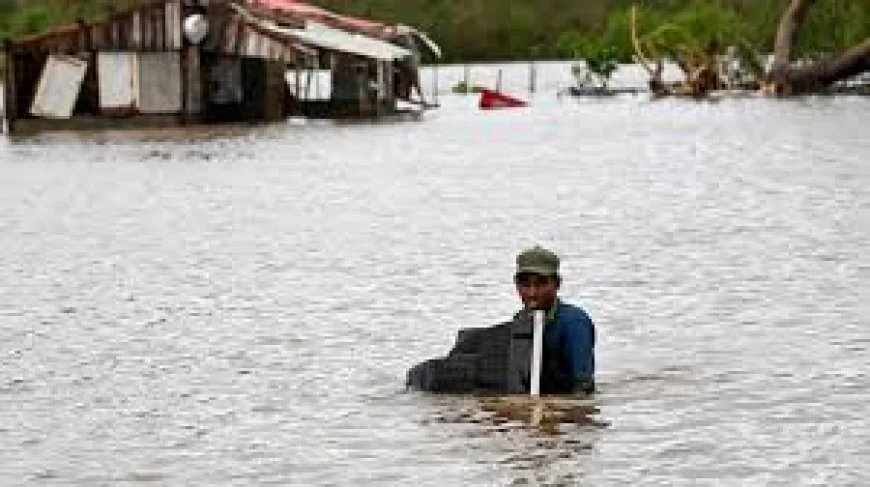
Hurricane Melissa: Live Update — Catastrophic Landfall in Jamaica, Now Moving Toward Cuba and the Bahamas
As of the latest advisories, Melissa is a major hurricane that has already taken lives and inflicted widespread damage across multiple Caribbean nations. Emergency services are stretched, ports and airports remain disrupted, and international relief pledges are beginning to arrive. The storm’s size, strength and unusually slow forward motion raise the risk of extended destructive conditions for islands in its path.
What’s Happening Now (Latest Status)
-
Intensity & landfall:
Melissa achieved Category 5 strength and struck Jamaica, where sustained winds were measured at around 185 mph (295 kph). After crossing Jamaica, the storm moved toward eastern Cuba and the Bahamas, maintaining hurricane-force to tropical-storm-force conditions. -
Confirmed casualties:
According to recent reporting by Reuters: at least 25 people died in Haiti and 4 people died in Jamaica, bringing the confirmed total to 29 fatalities. -
Humanitarian response:
Governments and donors are responding swiftly. For example, the UK announced emergency funding for Jamaica and the wider Caribbean. Local governments have opened shelters and launched search-and-rescue missions where possible.
Impact on the Ground
-
Jamaica:
Coastal and low-lying areas were hit by catastrophic storm surge and sustained hurricane-force winds. Many roofs were torn off, homes flooded, power lines downed and roads rendered impassable. Communications remain intermittent in the worst hit regions. -
Haiti & Dominican Republic:
Heavy rainfall and flooding caused by Melissa’s outer bands resulted in numerous deaths — especially in Haiti, where 25 people are confirmed dead thus far. -
Cuba & the Bahamas:
In Cuba, authorities evacuated more than 700,000 residents ahead of Melissa’s arrival. In the Bahamas, coastal flooding, storm surge and strong winds are expected as the system progresses north-northeastward.
Forecast & Hazards Ahead
-
Rain & flooding:
The storm’s relatively slow progression means prolonged rainfall in affected zones, increasing the risk of flash floods, river flooding and landslides; notably in mountainous terrain. -
Storm surge & wind:
Coastal storm surge poses a life-threatening risk in low-lying and reef-protected communities. Destructive hurricane-force winds remain probable in the core of the storm. -
Track outlook:
Official forecasts suggest Melissa will continue northeast after impacting eastern Cuba and then the Bahamas, gradually weakening. Residents in those areas must stay alert to updated advisories.
Why Melissa Intensified So Rapidly
Meteorologists attribute the rapid strengthening to very warm Caribbean sea surface temperatures and abundant atmospheric moisture. These factors increasingly linked to climate change help fuel storms that strengthen faster and reach higher peak intensity.
Emergency Response & What Authorities Are Doing
-
Emergency shelters and evacuations activated across the region, particularly in Jamaica and Cuba.
-
International aid: Governments and agencies are mobilizing funding, relief supplies and logistics.
-
Public advisories: Residents urged to stay away from flooded areas, heed evacuation orders and prepare for extended utility outages.
What Residents and Travellers Should Do Now
-
Follow official local emergency guidance and heed evacuation orders where issued.
-
Avoid flooded roads or driving through flowing water.
-
Prepare for power and water disruptions: have flashlights, batteries, basic first-aid and extra drinking water.
-
If you’re in a region expected to be impacted next (e.g., the Bahamas), monitor the latest updates from your meteorological service and local authorities.
Quick Note on Coverage and Uncertainty
Forecasts for tropical cyclones evolve as new data arrives. Casualty figures may rise further as more remote areas are reached and assessed. This article is based on the most current confirmed figures from Reuters and other trusted sources. Updates will follow as more information becomes available.
Sources:
Reuters/FinancialTimes/politico
What's Your Reaction?
 Like
0
Like
0
 Dislike
0
Dislike
0
 Love
0
Love
0
 Funny
0
Funny
0
 Wow
0
Wow
0
 Sad
0
Sad
0
 Angry
0
Angry
0

Shirley Ama Acquah Content Creator | Copywriting Specialist | Digital Content Strategist A dynamic storyteller with a sharp editorial eye, I craft compelling content that engages audiences and drives meaningful conversations. With a background in [persuasive writing, digital media,social media marketing], I specialize in high-impact copywriting, from SEO-driven articles and persuasive marketing copy to in-depth entertainment reviews and trend analysis. My work bridges creativity and strategy, whether dissecting the latest streaming trends, developing brand narratives, or optimizing content for maximum reach. I don’t just write; I create experiences that resonate with readers and convert casual viewers into loyal followers. Key Strengths: ✔ Versatile Content Creation (blogs, scripts, social media, SEO) ✔ Entertainment & Pop Culture Analysis (TV, film, streaming trends) ✔ Brand & Audience-First Writing (tone-adaptive, platform-optimized) ✔ Data-Informed Storytelling (analytics meets creativity) Let’s collaborate or connect: [amaboah23@gmail.com]














Comments (0)