

Failed Islamabad Talks Expose Fragility of Global Economic Stability
The collapse of the Islamabad talks between Iran and the United States underscores how unresolved geopolitical tensions can rapidly escalate into global economic shocks, with energy markets, inflation, and financial stability all reacting within hours of diplomatic failure.
Diplomacy Undone by Structural Divisions
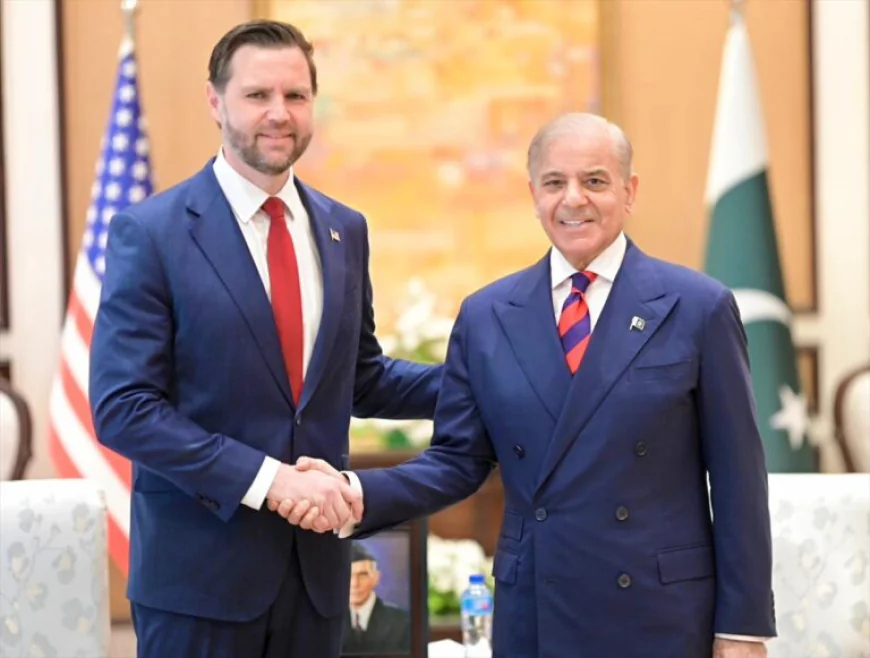
The collapse of high-level negotiations between Iran and the United States in Islamabad highlights the persistence of structural geopolitical divisions and their growing implications for the global economy (The Guardian, 2026).
Hosted by Pakistan, the talks were intended to de-escalate rising tensions rooted in disputes over nuclear policy, sanctions, and regional influence.
While the negotiations initially signalled a mutual willingness to engage diplomatically, this engagement masked deeper structural divergences in strategic priorities. On one hand, the United States approached the talks with a focus on long-term containment—seeking stringent nuclear restrictions, verifiable compliance mechanisms, and a framework that would limit Iran’s regional influence.
On the other hand, Iran prioritised immediate economic relief, particularly the lifting of sanctions that have significantly constrained its economy and reduced its access to global markets.
These differing priorities meant that each side was effectively negotiating on separate timelines: the United States emphasising future security guarantees, and Iran seeking short-term economic stabilisation.
As a result, even where there appeared to be an overlap in dialogue, the underlying objectives remained misaligned. There seemed to be a predicament where both parties engaged in discussion but lacked a shared understanding of what a successful agreement would entail.
This reflects a broader pattern in international diplomacy, where entrenched political and strategic interests limit the potential for compromise. As such, the failure of the talks was less an isolated incident than a predictable outcome of deeper structural tensions.
After more than 20 hours of negotiation, discussions ended without agreement, underscoring the limitations of diplomacy in an environment characterised by low trust and competing priorities
Central to the impasse were longstanding disagreements: the United States’ insistence on strict nuclear constraints and Iran’s demand for immediate and meaningful sanctions relief.
Markets Reprice Geopolitical Risk
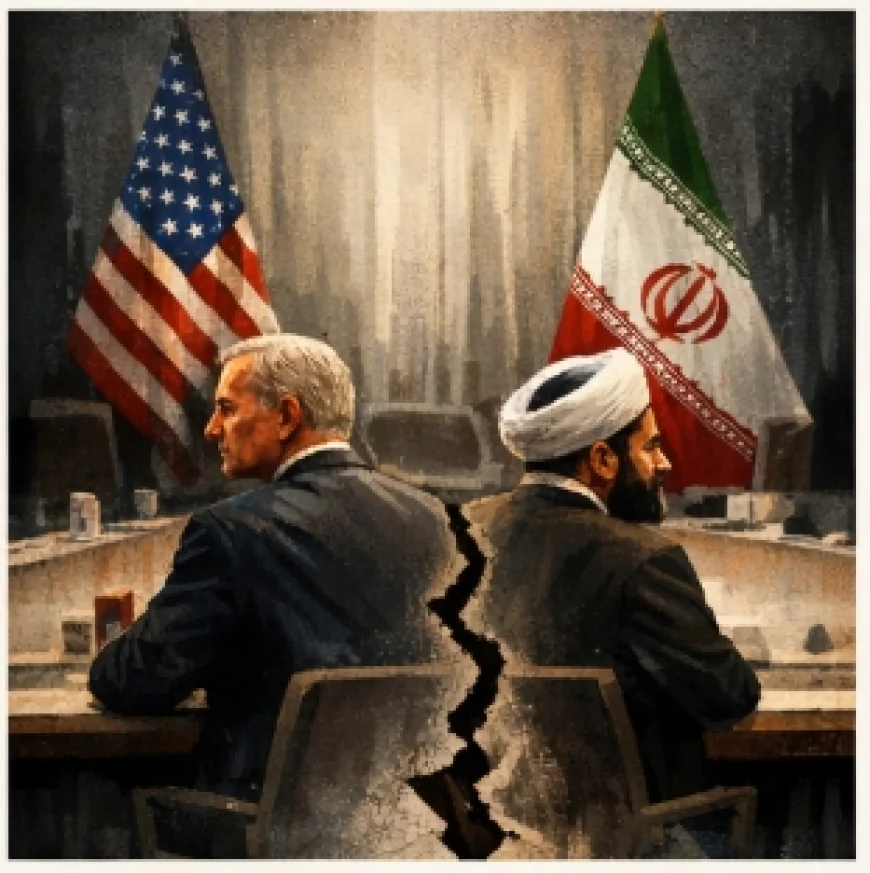
The economic consequences of the failed talks were immediate, demonstrating the speed at which geopolitical developments are transmitted into global markets.
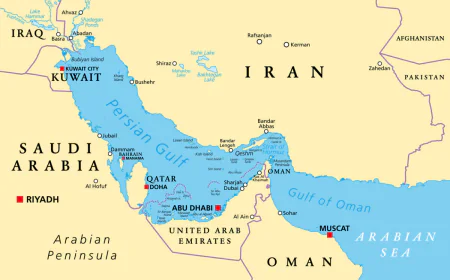
The Middle East accounts for approximately one-third of global oil production, with around 20% of the world’s oil supply passing through the Strait of Hormuz, a critical geopolitical chokepoint.
Following the collapse of negotiations, oil markets reacted sharply, with Brent crude prices rising above $90 per barrel as investors priced in heightened supply risk.
The implications of this are significant, as it demonstrates how geopolitical instability translates directly into economic consequences at a global scale.
Firstly, the concentration of oil supply in the Middle East means that any perceived threat to stability in the region has an outsized impact on global energy markets.
With around one-third of global oil production originating from the region and a substantial proportion of supply passing through the Strait of Hormuz, even the risk of disruption raises immediate concerns about supply shortages.
Secondly, rising oil prices have inflationary effects across the global economy. Energy is a fundamental input in transportation, manufacturing, and production, so higher oil prices increase business costs.
These costs are often passed on to consumers, contributing to rising inflation. For economies already struggling with post-pandemic recovery and high interest rates, this creates additional pressure on both households and firms.
Thirdly, the reaction of markets highlights the forward-looking nature of financial systems. Prices are not determined solely by current supply conditions but by expectations of future risk.
As a result, even without an actual disruption to oil flows, the anticipation of instability is enough to trigger volatility. This increases uncertainty, discourages investment, and can slow economic growth.
Finally, there are broader macroeconomic consequences, particularly for energy-importing countries. Nations in Europe and Asia face higher import bills, worsening trade balances and placing strain on currencies. At the same time, central banks may be forced to maintain tighter monetary policy to control inflation, which can further dampen economic activity.
Overall, this situation illustrates how a regional geopolitical event can act as a transmission mechanism, spreading economic disruption globally through energy markets, inflation, and financial uncertainty.
A Repeat in History?
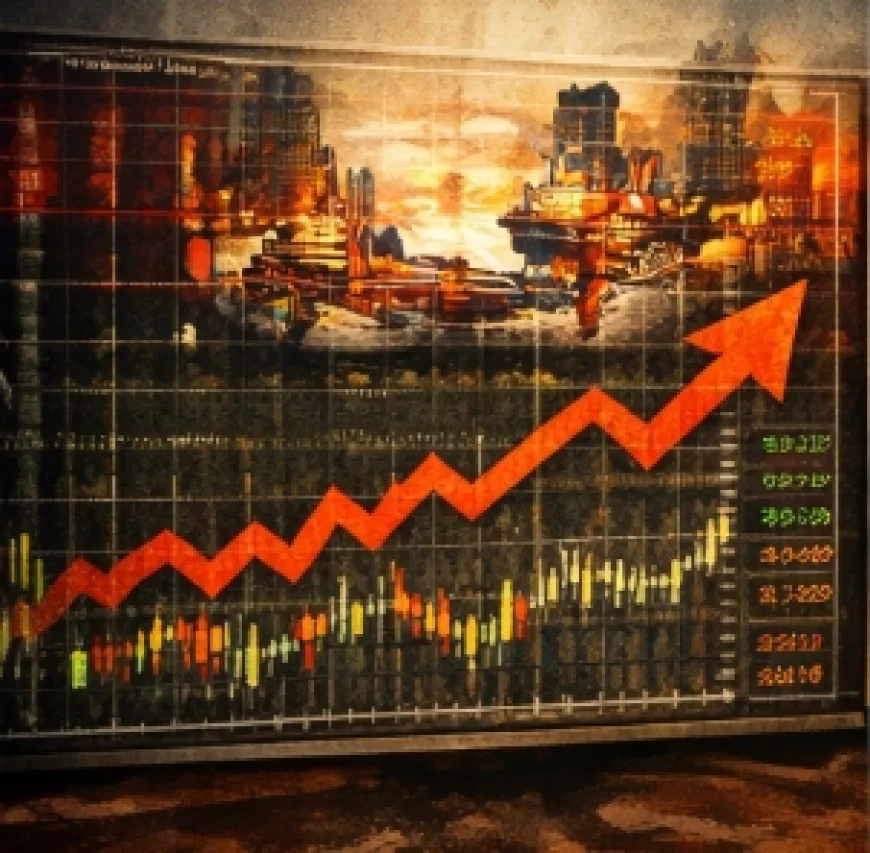
Historical precedent reinforces the concerns raised by the current episode, particularly through the example of the 1973 Oil Crisis, when coordinated supply restrictions by major oil-producing states led to a sudden and severe contraction in global energy availability.
Following the embargo, oil prices quadrupled within months, rising from roughly $3 to nearly $12 per barrel, triggering widespread inflation across advanced economies and contributing to what became known as the era of “stagflation”—a combination of stagnant growth and persistently high inflation.
The parallels with the current situation lie less in the precise mechanics of supply disruption and more in the market psychology of vulnerability.
In both cases, prices reacted not only to actual shortages but to the perceived fragility of supply chains concentrated in geopolitically sensitive regions. Just as the 1973 crisis exposed the structural dependence of industrial economies on Middle Eastern oil, the present episode underscores continued reliance on a narrow set of critical energy routes, particularly the Strait of Hormuz, through which a significant share of global oil trade still flows
Moreover, both periods illustrate how geopolitical shocks can rapidly transmit into macroeconomic instability. In 1973, inflationary pressures were amplified by already strained economic conditions in Western economies, limiting the ability of policymakers to respond effectively.
Similarly, today’s global economy is characterised by relatively weak growth momentum and constrained monetary policy space, meaning that even marginal increases in energy prices can have disproportionate effects on inflation expectations, interest rates, and consumer demand.
However, there are also important structural differences. Contemporary energy markets are more diversified, with strategic reserves, alternative suppliers, and financial hedging mechanisms reducing the likelihood of a complete supply shock.
What's Your Reaction?
 Like
0
Like
0
 Dislike
0
Dislike
0
 Love
0
Love
0
 Funny
0
Funny
0
 Wow
0
Wow
0
 Sad
0
Sad
0
 Angry
0
Angry
0

I’m a freelance writer with a passion for business, lifestyle, and opinion pieces that explore culture, trends, and real-world insights. I bring a perspective that blends professional knowledge with cultural awareness, drawing on my experience in real estate and a keen interest in South Asian lifestyle and culture. I hold a Master’s in Popular Music Practice, and outside of writing, I enjoy playing the flute and reading about philosophy and psychology. I love crafting engaging, thought-provoking stories and am always excited to pitch fresh ideas or take on features that connect communities, trends, and the bigger picture.














Comments (0)