

Pakistan and Uzbekistan Enter New Phase of Strategic and Economic Cooperation
A new strategic agreement between Pakistan and Uzbekistan aims to unlock trade, reshape regional connectivity and position both countries as key players in an evolving global economic landscape.
Key Developments in Pakistan–Uzbekistan Relations
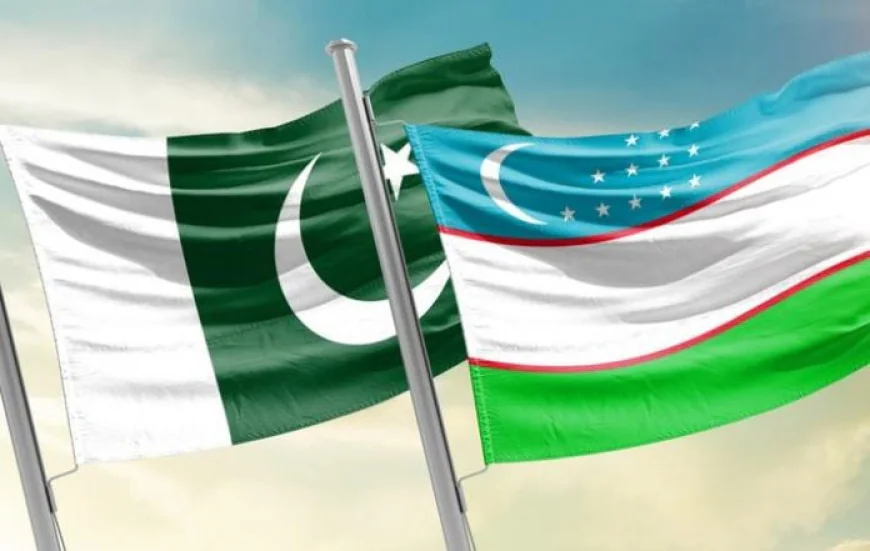
In early February 2026, Pakistan and Uzbekistan elevated their bilateral relationship during a high-profile state visit by President Shavkat Mirziyoyev to Islamabad on February 5–6.
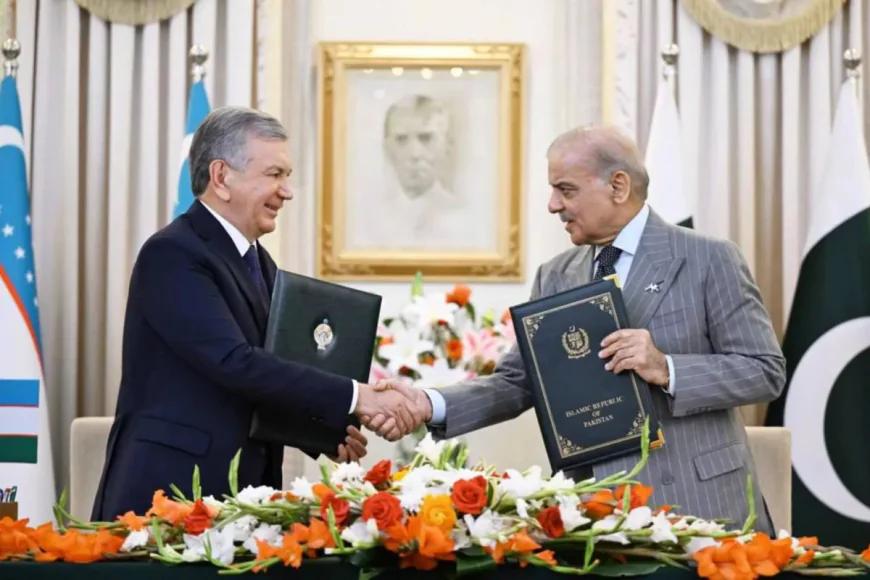
The visit culminated in the signing of a Joint Declaration on the Outcomes of the State Visit, aimed at expanding cooperation across trade, connectivity, security, culture and more — a formal step toward a strategic partnership, according to Tribune.
The agreements signed during the visit include private-sector deals worth around USD 3.4 billion, while both countries have set a bilateral trade target of USD 2 billion within the next five years, reflecting their ambitions to expand commerce and investment ties.
According to the Ministry of Foreign Affairs – Pakistan, Esmag has noted the joint declaration pointed out that both sides held “comprehensive and in-depth discussions covering the full spectrum of bilateral relations.”
The statement said they would “further strengthen cooperation in order to support each other’s sovereignty, independence and territorial integrity, while advancing sustainable development aligned with the long-term national interests of the people of both states.”
During the Pakistan-Uzbekistan Business Forum, President Mirziyoyev reinforced the spirit of partnership, describing the event as reflecting “long-standing shared intentions and deep mutual understanding between the two countries.” He congratulated Pakistan on its economic progress and said the forum demonstrated the will of both nations to deepen cooperation.
Radio Pakistan reported that both countries agreed to establish a High-Level Strategic Cooperation Council (HLSCC) — a permanent joint body comprising senior leaders and ministers from Pakistan and Uzbekistan.
The council will act as a top-level coordination platform, overseeing major joint projects such as trade, investment and connectivity, and ensuring that decisions are made quickly and followed through at the highest levels of government.
Overall, the framework aimed to boost cooperation across multiple sectors, setting ambitious targets and cementing a roadmap for long-term economic and strategic engagement between Islamabad and Tashkent.
Implications for Pakistan and Uzbekistan Economies
Pakistan’s Economic Opportunities
For Pakistan, the agreements present an opportunity to expand export markets and attract investment, especially in sectors where it has competitive advantages. As Radio Pakistan covered during the Business Forum, Prime Minister Shehbaz Sharif said that from now on, Pakistan–Uzbekistan ties would be “measured through trade flows, investment projects, industrial partnerships and people-to-people exchanges.”
The joint declaration reaffirmed the shared objective of achieving a USD 2 billion bilateral trade target by 2029, reflecting a clear economic priority for both nations. It also highlighted plans for expanded industrial cooperation in areas such as pharmaceuticals, textiles, agriculture, minerals, engineering goods and e-commerce — sectors with strong export potential, according to Aaj English TV.
President Mirziyoyev emphasised economic synergy during the forum, calling the business community a “true bridge between the two nations,” and stressing that Uzbekistan sought Pakistan’s expertise in high-quality, affordable medicines — while offering tax incentives, facilitation and conducive conditions for investors.
In practical terms, this means Pakistan could expand what it exports and who it sells to, rather than relying on the same markets.
It could also create jobs at home through joint factories and industrial projects, particularly in value-added manufacturing industries that add more value to raw materials by processing them into finished products.
Uzbekistan’s Gains
For Uzbekistan, the cooperation framework provides access to South Asian markets, improved logistics linkages and expanded investment sources. Mirziyoyev pointed out that several high-tech Uzbek textile enterprises were “awaiting Pakistani management and expertise to help access global markets,” highlighting mutual economic benefit.
The joint declaration also emphasised plans to enhance connectivity via projects like the Uzbekistan–Afghanistan–Pakistan (UAP) Railway Project, which is seen as transformative for regional trade, providing landlocked Uzbekistan direct access to Pakistani seaports and lowering logistics costs.
By integrating their industrial and export capacities, the two economies stand to gain from increased trade flows, technology transfer, and investment diversification — strengthening economic resilience for both.
Global Impacts
Regional Connectivity and Integration
The Pakistan–Uzbekistan cooperation has a significant regional economic dimension, particularly in connectivity. Pakistan Today has expressed that the joint declaration underscored the importance of the UAP Railway Project and multimodal transport links as vital for trade, socio-economic development and regional integration.
Under the roadmap outlined in the declaration, Pakistan reaffirmed its readiness to provide port access and road networks of international standards to support Uzbek transit cargo — a step that could reshape trade patterns between Central and South Asia.
These connectivity initiatives could catalyse Eurasian trade flows, linking markets from Central Asia to the Indian Ocean, reducing costs, and creating new corridors for the movement of goods.
Geopolitical and Strategic Significance
The agreement is also strategically important. The joint declaration reaffirmed commitment to regional peace and security, including cooperation on terrorism, drug trafficking and extremism — issues with direct consequences for stability across South and Central Asia.
Both countries also pledged to coordinate at international forums like the United Nations, indicating a willingness to work together on global governance, peace initiatives and multilateral cooperation.
Broader Global Economic Integration
On the global economic stage, the Pakistan–Uzbekistan deal reflects a larger trend where emerging economies collaborate to diversify trade networks beyond traditional power blocs. The focus on industrial cooperation, trade liberalisation, and regional connectivity aligns with global investment trends favouring South–South partnerships and dynamic regional supply chains.
By strengthening their economic relationship, Pakistan and Uzbekistan make themselves more attractive to investors from the Middle East, East Asia and Europe who are looking for new markets and alternative trade routes.
Joint projects, improved connectivity and clearer long-term cooperation signals reduce investment risk and increase confidence. As a result, both countries can position themselves as important transit and production hubs — linking Central Asia, South Asia and global markets — within a rapidly changing global trade system.
Direct Ministry Statement
The Ministry of Foreign Affairs – Pakistan stated clearly in the joint declaration that the agreements signed during the state visit would “further strengthen the strategic partnership between the Islamic Republic of Pakistan and the Republic of Uzbekistan.”
This formal endorsement at the diplomatic level underscores that both governments view the relationship not merely as transactional, but as a long-term strategic engagement with economic, cultural and geopolitical dimensions.
What's Your Reaction?
 Like
0
Like
0
 Dislike
0
Dislike
0
 Love
0
Love
0
 Funny
0
Funny
0
 Wow
0
Wow
0
 Sad
0
Sad
0
 Angry
0
Angry
0

I’m a freelance writer with a passion for business, lifestyle, and opinion pieces that explore culture, trends, and real-world insights. I bring a perspective that blends professional knowledge with cultural awareness, drawing on my experience in real estate and a keen interest in South Asian lifestyle and culture. I hold a Master’s in Popular Music Practice, and outside of writing, I enjoy playing the flute and reading about philosophy and psychology. I love crafting engaging, thought-provoking stories and am always excited to pitch fresh ideas or take on features that connect communities, trends, and the bigger picture.














Comments (0)