

President Trump Eyes the Nobel Peace Prize — Can Power and Peace Coexist?
U.S. President Donald J. Trump is once again at the center of global conversation, this time for his pursuit of the Nobel Peace Prize. With endorsements from foreign leaders and claims of success in international diplomacy, Trump’s bid raises questions about legacy, influence, and whether his style of power politics qualifies as peacemaking. As his administration leans into diplomacy in the Middle East and Eastern Europe, the world watches to see if this quest is about peace, or prestige.
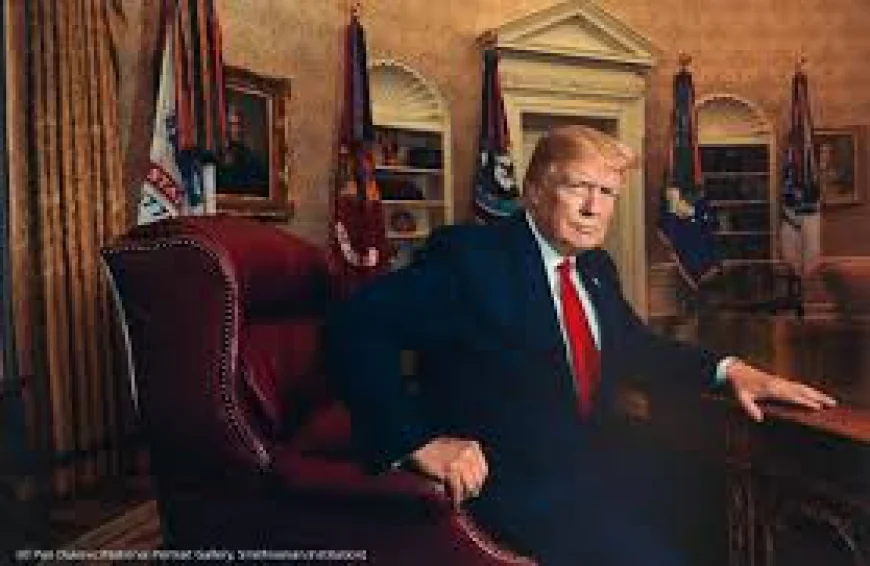
President Trump Eyes the Nobel Peace Prize — Ambition, Legacy, and Global Debate
From the Oval Office to Oslo, President Donald Trump has his eyes on the world’s most coveted peace award. Now serving his second term, Trump has revived his long-standing ambition to win the Nobel Peace Prize, arguing that his foreign policy achievements; from the Abraham Accords to ceasefire negotiations abroad, deserve international recognition. For Trump, it’s more than a medal; it’s the ultimate validation of his claim to global leadership. But as praise and criticism collide, the world is asking: is this pursuit about peace, or politics?
A Renewed Push for the Prize
Reports confirm that Malta’s Foreign Minister Ian Borg has officially nominated President Trump for the 2025 Nobel Peace Prize, citing his “contributions toward reducing regional conflict” and his administration’s role in “fostering dialogue” in the Middle East and the Caucasus. The Kremlin has also expressed support, praising Trump’s “direct diplomacy” as a stabilizing force.
Supporters highlight Trump’s track record, particularly the Abraham Accords, which normalized relations between Israel and several Arab nations, and ongoing efforts to mediate tensions between Armenia and Azerbaijan. They argue that Trump’s unconventional diplomacy has delivered results that traditional channels could not.
But not everyone agrees. Critics accuse Trump of overselling his accomplishments, pointing out that many of his peace initiatives are still fragile or incomplete. A recent Washington Post poll found that over 70% of Americans believe Trump’s Nobel ambitions are “politically motivated” rather than based on merit.
The Challenges Ahead
Even for a sitting U.S. President, the road to a Nobel Peace Prize is far from guaranteed.
-
Procedural Barriers: Nominations for the 2025 prize closed in January, meaning the current wave of diplomatic efforts may only influence future consideration.
-
Strict Criteria: The Nobel Committee traditionally favors long-term, humanitarian peacebuilding, a contrast to Trump’s deal-driven, transactional style.
-
Global Skepticism: While his allies champion his candidacy, several European leaders have questioned whether Trump’s foreign policy has reduced tensions or merely reshuffled alliances.
-
Strong Competition: The 2025 Nobel Peace Prize was awarded to Venezuelan opposition leader María Corina Machado, highlighting the committee’s preference for democratic activism over political leadership.
Why It Still Matters
1. A Quest for Legacy
For President Trump, the Nobel Peace Prize represents more than prestige, it’s a legacy move. It would cement his claim as a statesman who redefined U.S. diplomacy through bold, personal engagement with world leaders.
2. A Political Strategy
By framing his administration as a force for peace, Trump strengthens his global image and appeals to centrist voters at home. The Nobel narrative also aligns with his campaign message: that his leadership brings “strength through peace.”
3. A Debate on What Peace Means
Trump’s nomination reignites a philosophical debate; is peace achieved through negotiation, deterrence, or dominance? His “America First” approach challenges traditional diplomacy, making his Nobel pursuit as symbolic as it is controversial.
Conclusion
President Donald Trump’s bid for the Nobel Peace Prize is as polarizing as his presidency itself; ambitious, strategic, and steeped in controversy. Whether or not the Nobel Committee ever honors him, his pursuit of it has already shaped his image on the world stage. For his supporters, it’s proof of global leadership; for critics, it’s another example of political theater. Either way, Trump has once again succeeded at what he does best, commanding the world’s attention.
Source:
WashingtonPost/Reuters
What's Your Reaction?
 Like
0
Like
0
 Dislike
0
Dislike
0
 Love
0
Love
0
 Funny
0
Funny
0
 Wow
0
Wow
0
 Sad
0
Sad
0
 Angry
0
Angry
0

Shirley Ama Acquah Content Creator | Copywriting Specialist | Digital Content Strategist A dynamic storyteller with a sharp editorial eye, I craft compelling content that engages audiences and drives meaningful conversations. With a background in [persuasive writing, digital media,social media marketing], I specialize in high-impact copywriting, from SEO-driven articles and persuasive marketing copy to in-depth entertainment reviews and trend analysis. My work bridges creativity and strategy, whether dissecting the latest streaming trends, developing brand narratives, or optimizing content for maximum reach. I don’t just write; I create experiences that resonate with readers and convert casual viewers into loyal followers. Key Strengths: ✔ Versatile Content Creation (blogs, scripts, social media, SEO) ✔ Entertainment & Pop Culture Analysis (TV, film, streaming trends) ✔ Brand & Audience-First Writing (tone-adaptive, platform-optimized) ✔ Data-Informed Storytelling (analytics meets creativity) Let’s collaborate or connect: [amaboah23@gmail.com]














Comments (0)