

What the Satluj Controversy Reveals About Film Censorship in India
Satluj (formerly Punjab 95 ) has become more than a film—it has emerged as a symbol in the debate over censorship and freedom of expression in India. Based on the life of human rights activist Jaswant Singh Khalra, the film faced multiple obstacles, including a title change and demands for 127 cuts before being removed from OTT platforms. This article examines the controversy surrounding the film, explores the broader role of India's censorship framework, and discusses how political influence over cinema continues to shape historical narratives, creative freedom, and the future of Bollywood.
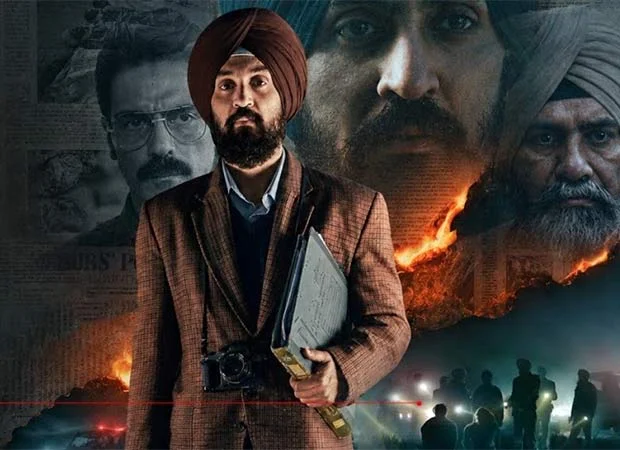
Satluj (formerly Punjab 95 or Ghallughara) is a 2026 film featuring Diljit Dosanjh and directed by Honey Trehan. Originally, it is a biographical drama based on the life of human rights activist Jaswant Singh Khalra. He investigated the alleged extrajudicial killings, enforced disappearances, and illegal cremations in Punjab during the 1980s and 1990s. It was the time when the Punjab Police was overpowered to stop the insurgency and militancy in the region.
An inspirational tale for adults, rather than going to watch fictional heroes. But the issue was that the film faced problems from the start. The name itself was an issue. It was titled Punjab 95 and Ghallughara, which reflected its storyline, but the Censor Board claimed it needed to be changed. In the end, it was named Satluj, but the major hurdles were still waiting ahead. The Censor Board demanded 127 cuts, including the removal of mentions of the Punjab Police. This would clearly end the film's storyline. In India, a film with two or three cuts is generally considered controversial.
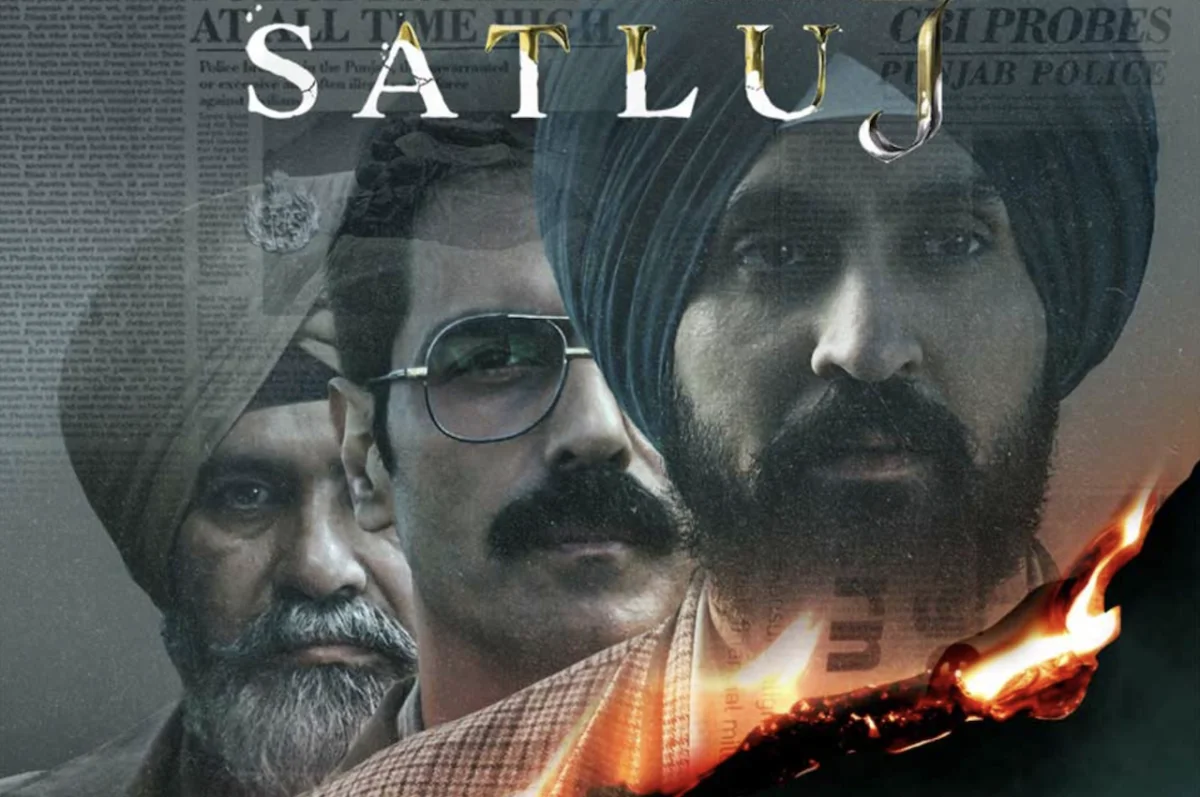
The Satluj team denied making the cuts and silently released it on OTT platforms. It was considered a masterstroke by the film's team. But after 48 hours, the film was removed despite OTT platforms not being obliged to follow the Censor Board. This series of events raised serious questions:
· Does India still obey freedom of expression?
· Why is the Indian government so afraid of this film?
· Is it the Censor Board that decides what we watch?
India vs Freedom of Expression
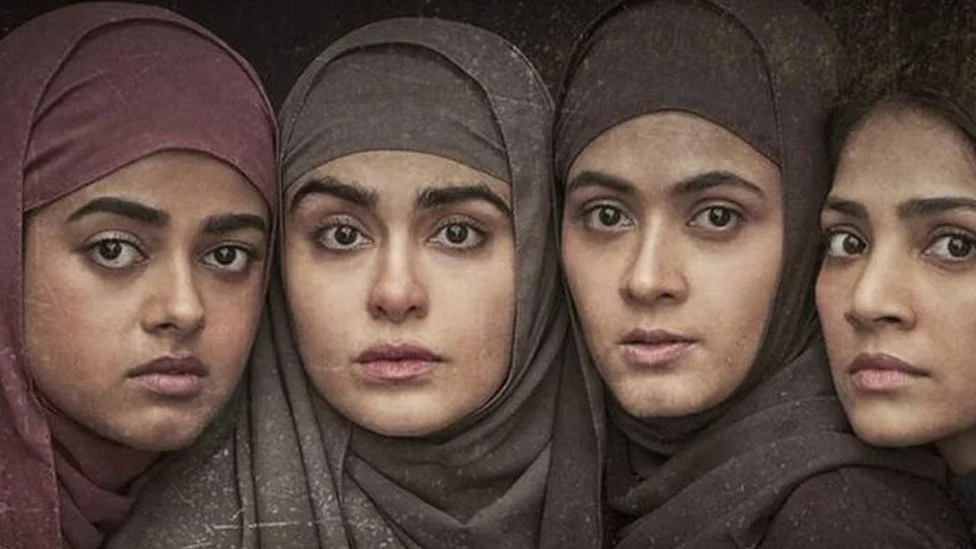
India has always claimed to be a country where many different cultures are blended into one. But practically, it has always been the opposite of reality. From religion to language and regional conflicts, India has had deep hatred among its own people. The film industry has always been highly influenced by this culture, where anti-religion films targeting minorities have always worked well at the box office. The easiest trick to earn a massive collection was to make an anti-Islam or anti-Pakistan film. Films like The Kerala Story made huge money despite being a fictional story showcased as a true event. The Censor Board had no objections and suggested no cuts. We can leave that film as a creative choice or an example of freedom of expression.
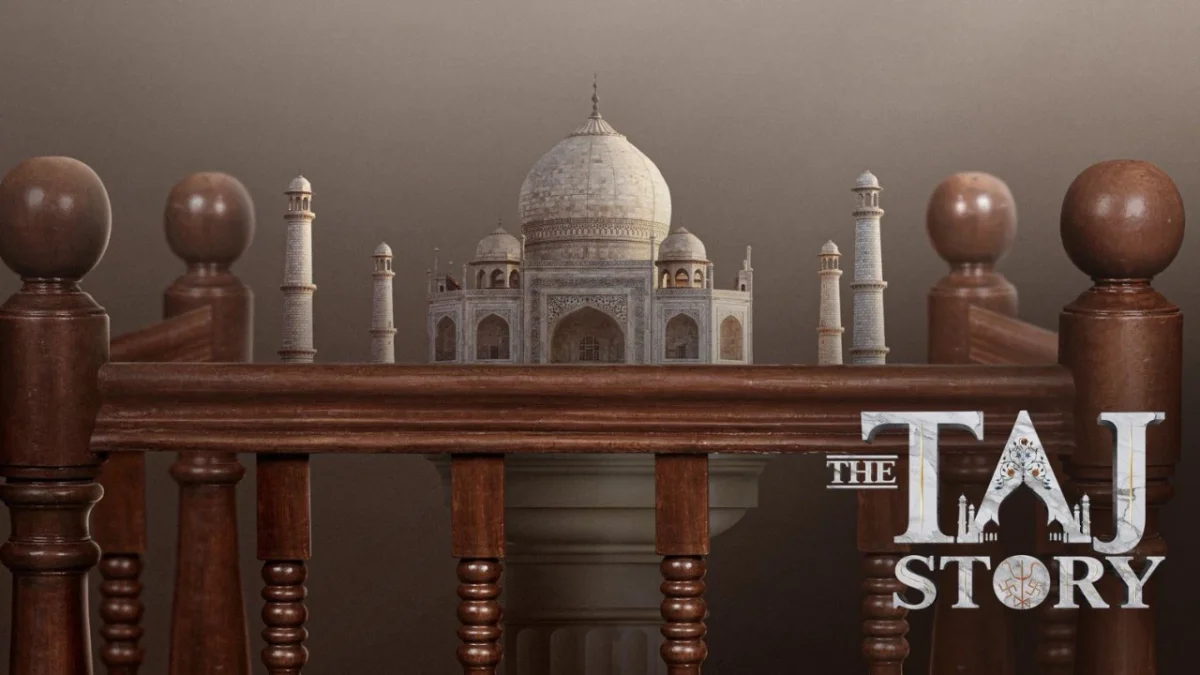
But when a similar film was made showcasing the brutality Punjab faced in the 1980s and 1990s, it was heavily censored and required to undergo numerous changes, from its name to its on-screen content. Earlier this year, we saw a film that whitewashed the BJP's mistakes. But it was not censored for distorting history. One recent example is The Taj Story, where hundreds of years of history were portrayed in the wrong manner because of religious bias.
India ranked 157th out of 180 countries in terms of freedom of expression. It was all backed by government policies, where national security and anti-terror laws were frequently used against journalists and activists. A large number of social media videos and accounts were banned without containing anti-state elements. What made it worse was media ownership revolving around different political parties and being heavily linked with them.
State vs Past
The concern is why the Indian government is afraid of it. The concern is that the scars Punjab carries are still fresh. Punjab is the most active region where the separatist movement is rising. These kinds of films showcase the brutality that Punjab faced. Such things can ignite the flames of separatism. One of the other reasons is the ongoing bloodshed in different regions of India, for instance, Manipur, where minorities were brutally butchered.
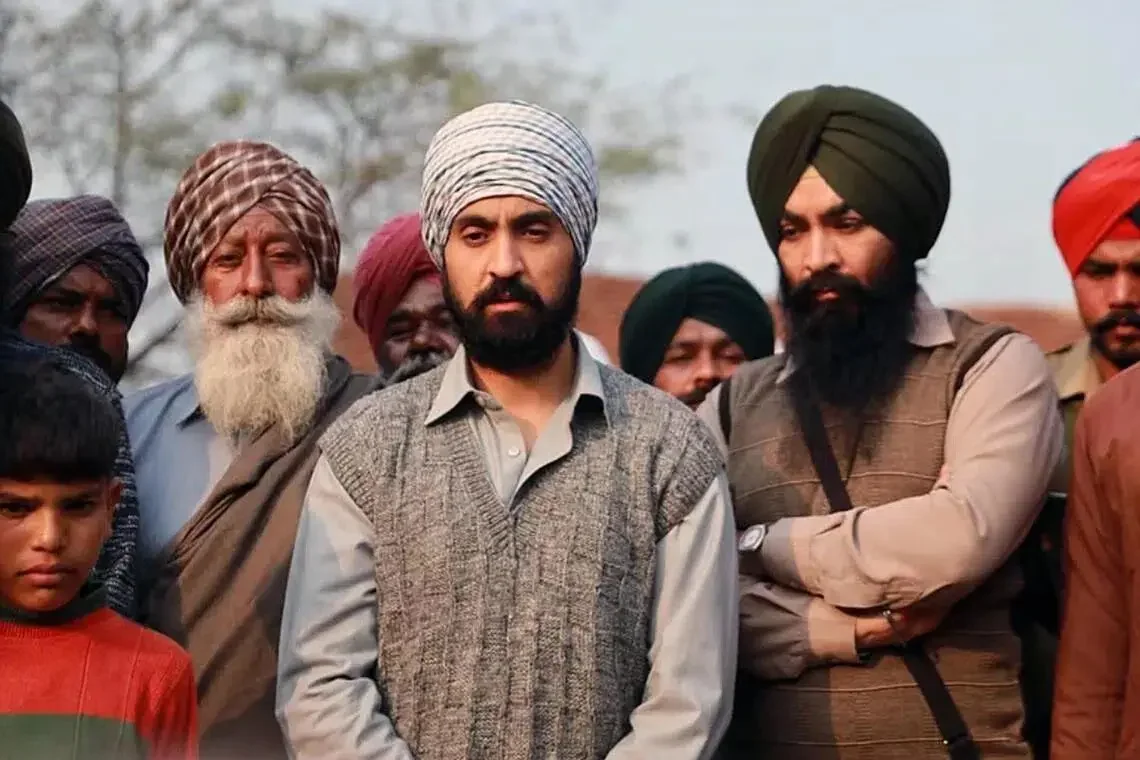
With the release of this film, Satluj was made to showcase the brutality that Punjab faced. This film directly establishes anti-state sentiments not only in Punjab but also in other states. The harsh reality shown in the film could become a baseline for adults, who are already frustrated with the lack of opportunities, to begin a revolution against the Indian government. This is one of the groundbreaking reasons that caused the ban on this film.
Is the Indian Censor Board Destroying Indian Cinema?
These days, the way the Indian Censor Board acts is more like a tool to build narratives. Films are allowed to be released if they contain narrative-based content with some political support. From The Kerala Story to The Taj Story, there is a list of films that, if there were an independent Censor Board, would have been edited. These stories distorted not only the state's image but also that of a religion. The Taj Story established a narrative against one of the most visited places and the sixth wonder of the world, the Taj Mahal. For years, a narrative has been built that the Taj Mahal was a Hindu temple. Through this film, the narrative was promoted that it belongs to Hindus.
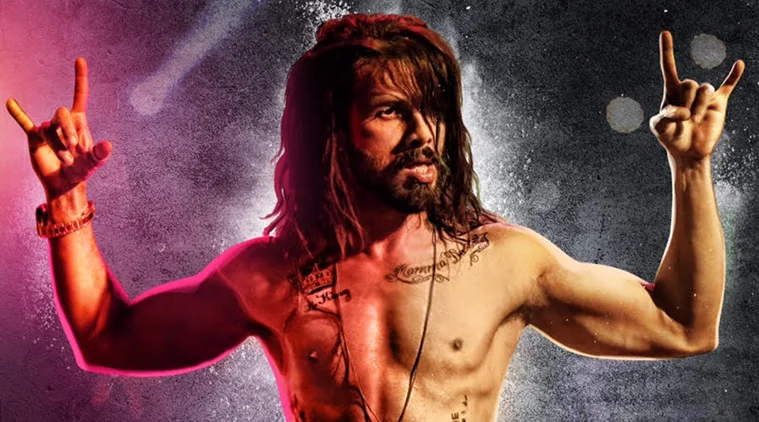
It was not the first time the Censor Board had acted this way. Porkalathil Oru Poo is a film made in 2015 based on real events involving journalists and activists during the Sri Lankan Civil War. This film was never released due to India-Sri Lanka relations. Udta Punjab faced 89–94 cuts and was even asked to remove "Punjab" from its title. Water (2005), a film based on the historical practices affecting widows in India, faced protests, shooting halts, delays, and censorship over cultural sensitivities.
There have been tons of films that were restricted for political reasons. But preventing films like these from being released in cinemas or even on OTT platforms has reduced the potential for globally recognized films. Right now, the situation of Bollywood is getting worse. If things continue this way, the time is near when the biggest film industry will collapse.
What's Your Reaction?
 Like
0
Like
0
 Dislike
0
Dislike
0
 Love
0
Love
0
 Funny
0
Funny
0
 Wow
0
Wow
0
 Sad
0
Sad
0
 Angry
0
Angry
0
Muhammad Saad Ismail is a multimedia journalist and columnist with international experience across sports, politics, and digital media. His work spans multiple regions, including Europe, North America, and Africa, reflecting a strong global perspective in contemporary journalism. He began establishing his profile as a sports writer with World in Sports, where he produced match reports and tactical analyses covering football and cricket. Expanding into international media, he contributed as a sports journalist at MancSports, focusing on club-level football analysis, and later worked with Meer as an entertainment journalist, blending sports coverage with cultural and entertainment narratives. Alongside his reporting roles, Saad has held editorial responsibilities as Web Content Manager at The Hub Web , where he managed and published content across sports and entertainment while driving audience engagement through opinion-led journalism. Currently, he serves as a Political Journalist at The FLUC, producing research-driven commentary on global politics and public policy. In parallel, he works as an NBA correspondent for Verticality Sports, delivering analytical coverage, feature stories, and performance breakdowns centered on league trends and key storylines. With a foundation in Mass Communication and professional training from institutions such as Al Jazeera, Reuters, and the Press Council of Pakistan, Saad combines traditional reporting skills with modern multimedia expertise. His work is defined by analytical depth, cross-platform storytelling, and a commitment to informed, impactful journalism.













Comments (0)