

Jimmy Lai Guilty: A Defining Moment for Hong Kong’s National Security Law
A Hong Kong court has found media tycoon and pro-democracy figure Jimmy Lai guilty of colluding with foreign forces and publishing seditious materials, marking a landmark ruling under the city’s national security law. The verdict, which could result in a life sentence, has drawn sharp international criticism and renewed concerns about press freedom, judicial independence, and the future of dissent in Hong Kong.
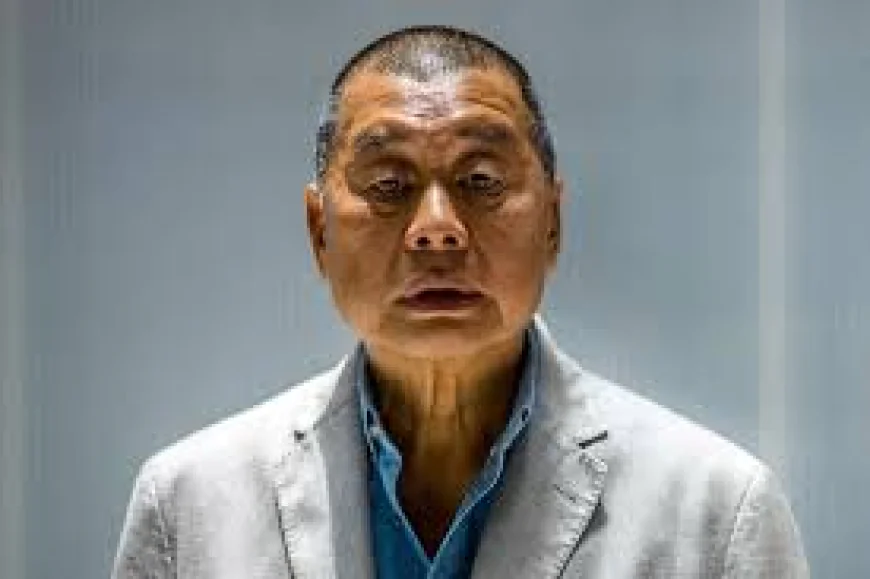
Hong Kong Court Finds Tycoon Jimmy Lai Guilty of Foreign Collusion in Landmark National Security Case
A Hong Kong court on Monday convicted jailed media tycoon and pro-democracy advocate Jimmy Lai of collusion with foreign forces and conspiracy to publish seditious materials, delivering one of the most consequential verdicts yet under the city’s sweeping national security law.
The ruling follows a lengthy and closely watched trial that has become emblematic of Hong Kong’s political transformation since Beijing imposed the security legislation in 2020. Lai, the founder of the now-defunct pro-democracy newspaper Apple Daily, pleaded not guilty to the charges.
A Defining Verdict
Prosecutors argued that Lai used his media platform and international connections to lobby foreign governments to impose sanctions on Hong Kong and China, actions authorities said endangered national security. The court agreed, finding that his activities amounted to unlawful collusion with external forces and deliberate efforts to incite hostility against the government.
The charges carry severe penalties, including the possibility of life imprisonment. Sentencing is expected at a later date.
Lai, 78, has been in custody since 2020 and was already serving sentences related to protest-linked offenses. His prolonged detention and deteriorating health have raised alarm among supporters and human rights groups.
A Symbol of Media Crackdown
Once one of Hong Kong’s most outspoken media figures, Lai became a symbol of resistance during the city’s pro-democracy protests. Apple Daily, known for its sharp criticism of Beijing and local authorities, was forced to shut down in 2021 after police froze its assets and arrested senior executives under the national security law.
Analysts say the conviction sends a clear message about the shrinking space for independent journalism and political dissent in Hong Kong, once regarded as a bastion of free expression in Asia.
International Reaction and Rights Concerns
The verdict has drawn swift condemnation from Western governments and international human rights organisations, which described the case as politically motivated and warned it could further undermine confidence in Hong Kong’s legal autonomy.
Rights groups argue that the broad and vaguely defined provisions of the national security law have been used to criminalise peaceful expression, advocacy, and journalism. Hong Kong and Chinese authorities, however, insist the law is necessary to restore stability after years of political unrest and maintain national sovereignty.
Broader Implications
Jimmy Lai’s conviction is widely seen as a watershed moment in Hong Kong’s post-protest era, reinforcing concerns that dissenting voices particularly those with international reach face severe legal consequences.
As Beijing tightens its grip on the city, critics say the verdict underscores a fundamental shift in Hong Kong’s political and media landscape, with long-term implications for press freedom, civil liberties, and the city’s role as a global financial and legal hub.
For many observers, the case is not just about one man, but about the future of free expression in Hong Kong itself.
Source:
Reuters/The Guardian/ The Washington Post
What's Your Reaction?
 Like
0
Like
0
 Dislike
0
Dislike
0
 Love
0
Love
0
 Funny
0
Funny
0
 Wow
0
Wow
0
 Sad
0
Sad
0
 Angry
0
Angry
0

Shirley Ama Acquah Content Creator | Copywriting Specialist | Digital Content Strategist A dynamic storyteller with a sharp editorial eye, I craft compelling content that engages audiences and drives meaningful conversations. With a background in [persuasive writing, digital media,social media marketing], I specialize in high-impact copywriting, from SEO-driven articles and persuasive marketing copy to in-depth entertainment reviews and trend analysis. My work bridges creativity and strategy, whether dissecting the latest streaming trends, developing brand narratives, or optimizing content for maximum reach. I don’t just write; I create experiences that resonate with readers and convert casual viewers into loyal followers. Key Strengths: ✔ Versatile Content Creation (blogs, scripts, social media, SEO) ✔ Entertainment & Pop Culture Analysis (TV, film, streaming trends) ✔ Brand & Audience-First Writing (tone-adaptive, platform-optimized) ✔ Data-Informed Storytelling (analytics meets creativity) Let’s collaborate or connect: [amaboah23@gmail.com]

















Comments (0)