

Oil Crisis Deepens as Iran–U.S. War Escalates
Conflict in the Middle East is shaking global markets, pushing oil prices upward and reigniting fears of economic instability.
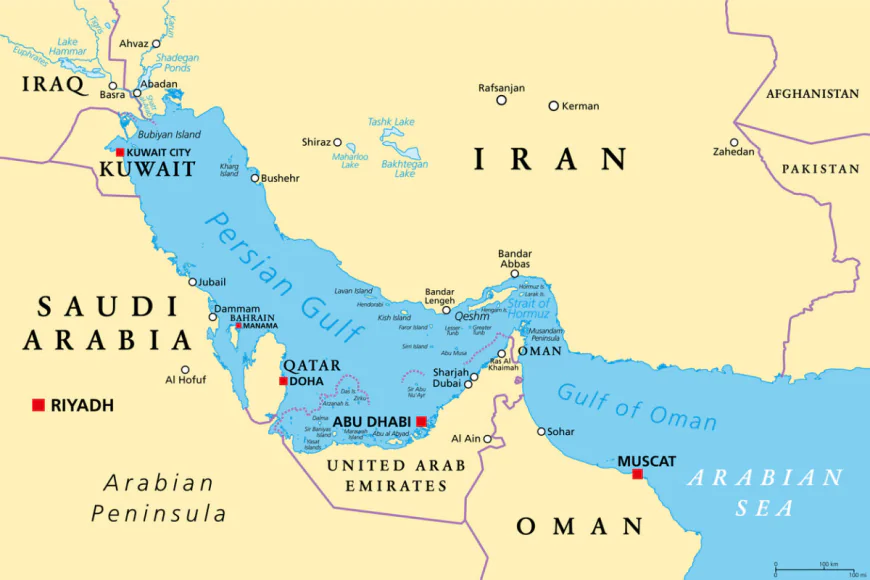
The intensifying conflict between Iran and the United States has triggered a dramatic shock to global energy markets, sending oil prices surging and raising fears of a new worldwide economic crisis.
As military strikes escalate and key energy infrastructure becomes a target, analysts warn that the war could destabilise global supply chains and reignite inflation across major economies.
Oil Prices Surge Above $90
Global oil markets reacted sharply to the outbreak of hostilities. Brent crude prices climbed above $90 per barrel, marking one of the biggest weekly increases since the COVID-19 pandemic.
This surge reflects growing fears that the conflict could significantly reduce oil supplies from the Middle East, a region that accounts for a substantial share of the world’s energy exports.
The war has already disrupted production and shipping routes, forcing traders to seek alternative sources.
In the United States, crude futures jumped more than 12% in a single day, while global benchmarks recorded gains of over 25% in a week, highlighting the scale of the market shock.
Strait of Hormuz: A Critical Chokepoint
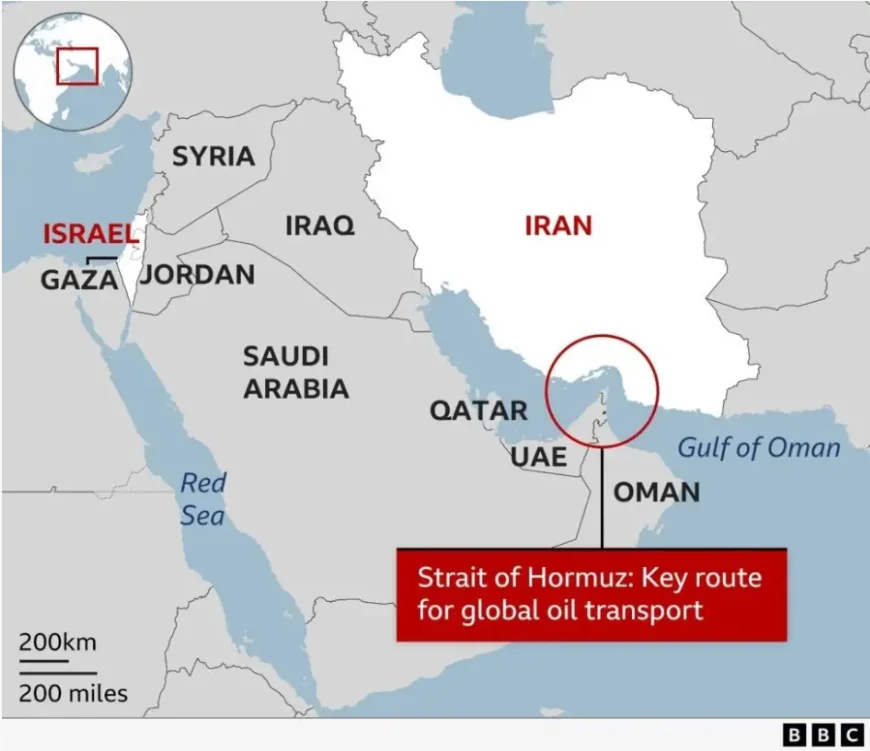
A major driver of the oil crisis is the instability surrounding the Strait of Hormuz, one of the world’s most vital energy corridors.
It is a narrow, strategically crucial waterway linking the Persian Gulf with the Gulf of Oman and the broader Indian Ocean.
Countries such as Saudi Arabia, Iraq, Kuwait, and Iran ship their oil through the Strait to international markets.
When tensions rise between Iran and the United States, there is a risk that shipping could be disrupted by attacks, mines, or blockades. Even the threat of closure can reduce supply expectations, causing oil traders to bid prices higher and triggering global energy market instability.
Nearly 20% of global oil and liquefied natural gas shipments pass through the Strait of Hormuz each day—around 20 million barrels of crude—making it one of the most strategically important energy corridors in the world.
The main buyers are Asian economies—China, India, Japan, and South Korea. As few alternative routes exist, even minor disruptions can spike global energy prices.
Since the outbreak of war, attacks on tankers and threats from Iranian forces have effectively restricted shipping through the strait, creating severe supply disruptions.
The crisis has also seen strikes on energy infrastructure, including an Iranian drone attack targeting Saudi Arabia’s Ras Tanura refinery—one of the largest oil processing facilities in the world. Even minor disruptions at such sites can trigger massive price swings in global markets.
Economic Ripple Effects
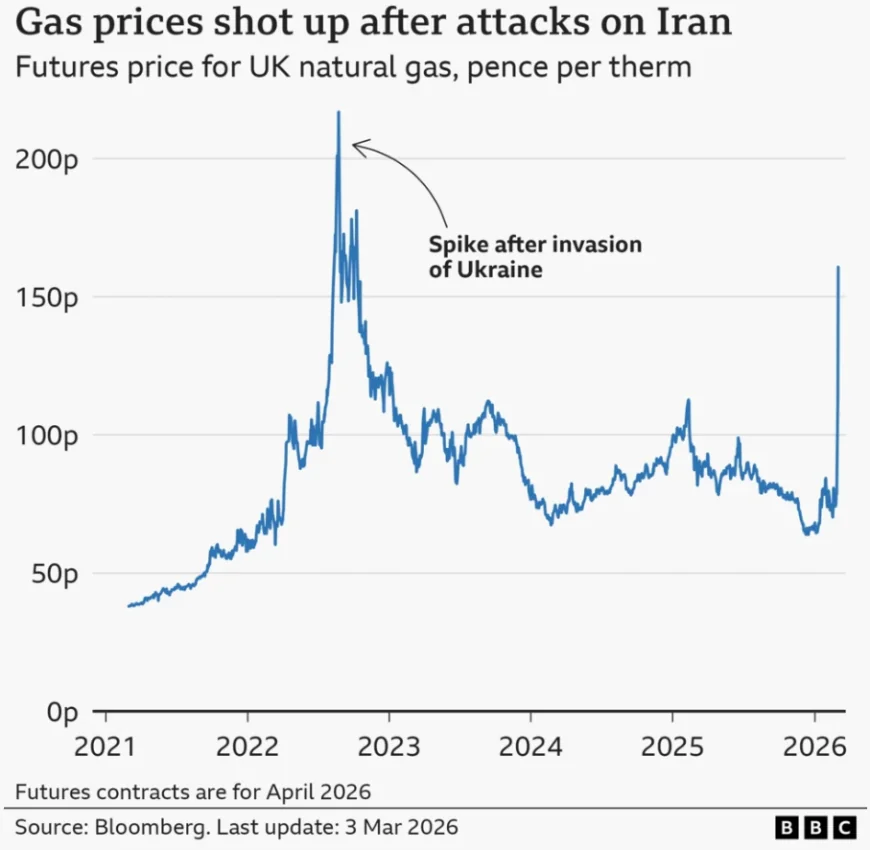
The consequences of the energy shock are already spreading across global markets.
When oil prices rise during geopolitical tensions—such as conflict involving Iran and the United States—a chain reaction spreads through the global economy.
Oil is essential for transport, manufacturing, and electricity, so higher prices increase business costs. Companies often pass these costs to consumers, causing inflation to rise.
As inflation expectations grow, investors become worried about slower economic growth and reduced corporate profits. This can trigger declines in stock markets across regions such as Europe and Asia. At the same time, bond investors demand higher returns to compensate for inflation eroding the value of fixed payments.
As existing bonds are sold and their prices fall, their yields rise, reflecting the higher return investors now require in an uncertain economic environment.
Countries heavily dependent on Middle Eastern energy—such as China, India, Japan, and South Korea—are particularly vulnerable. In some regions, panic buying and fuel shortages have already begun as governments struggle to secure alternative supplies.
For Europe, the crisis is especially concerning because many countries are still adjusting to reduced imports of Russian energy following earlier geopolitical tensions.
While some U.S. officials have downplayed the long-term impact, economists warn that prolonged conflict could have serious consequences for the global economy. As the International Energy Agency notes, “even limited interruptions in Gulf energy supplies could have outsized effects on global markets and economic stability.”
Historical Echoes of Past Oil Shocks
The current crisis has drawn comparisons with previous energy shocks that reshaped the global economy. During the 1973 Oil Crisis, an embargo by Arab oil producers caused prices to quadruple and triggered inflation and economic stagnation across Western economies.
A similar shock occurred during the 1979 Oil Crisis, when the Iranian Revolution disrupted oil production and sent global prices soaring. Those crises demonstrated how instability in the Middle East can rapidly transmit economic pain worldwide.
While today’s energy markets are more diversified, analysts warn that a prolonged conflict involving Iran could still trigger a comparable disruption, particularly if shipping through the Strait of Hormuz remains threatened.
Oil prices surged from about $15 to over $39 a barrel, driving U.S. inflation above 13% and unemployment to 6%.
Consumers faced long lines at gas stations, and rationing policies appeared in several states. The United States, Japan, and Western Europe all experienced sharp slowdowns, with “stagflation” — simultaneous inflation and stagnation — becoming a defining feature of the late 1970s economy.
Uncertain Outlook
The future of global energy markets now hinges on the trajectory of the Iran–U.S. conflict. If diplomatic solutions emerge quickly, markets may stabilise. But if fighting continues and the Strait of Hormuz remains disrupted, the world could face one of the most severe oil shocks in decades.
For now, the war has reminded the global economy of a longstanding vulnerability: when conflict erupts in the Middle East, the consequences ripple far beyond the battlefield, reaching fuel pumps, financial markets, and household budgets across the globe.
What's Your Reaction?
 Like
0
Like
0
 Dislike
0
Dislike
0
 Love
0
Love
0
 Funny
0
Funny
0
 Wow
0
Wow
0
 Sad
0
Sad
0
 Angry
0
Angry
0

I’m a freelance writer with a passion for business, lifestyle, and opinion pieces that explore culture, trends, and real-world insights. I bring a perspective that blends professional knowledge with cultural awareness, drawing on my experience in real estate and a keen interest in South Asian lifestyle and culture. I hold a Master’s in Popular Music Practice, and outside of writing, I enjoy playing the flute and reading about philosophy and psychology. I love crafting engaging, thought-provoking stories and am always excited to pitch fresh ideas or take on features that connect communities, trends, and the bigger picture.
















Comments (0)