

Germany Backs Negotiated US–Iran Deal as Markets Monitor Nuclear and Missile Talks
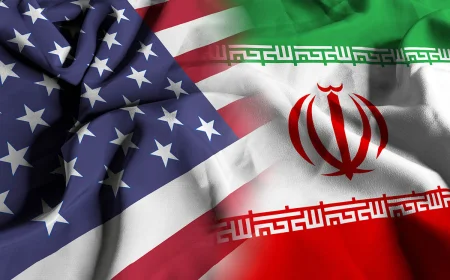
Germany backs renewed U.S.–Iran talks, sending shockwaves through global energy markets as investors weigh the high-stakes impact on oil supply, sanctions, and regional stability.
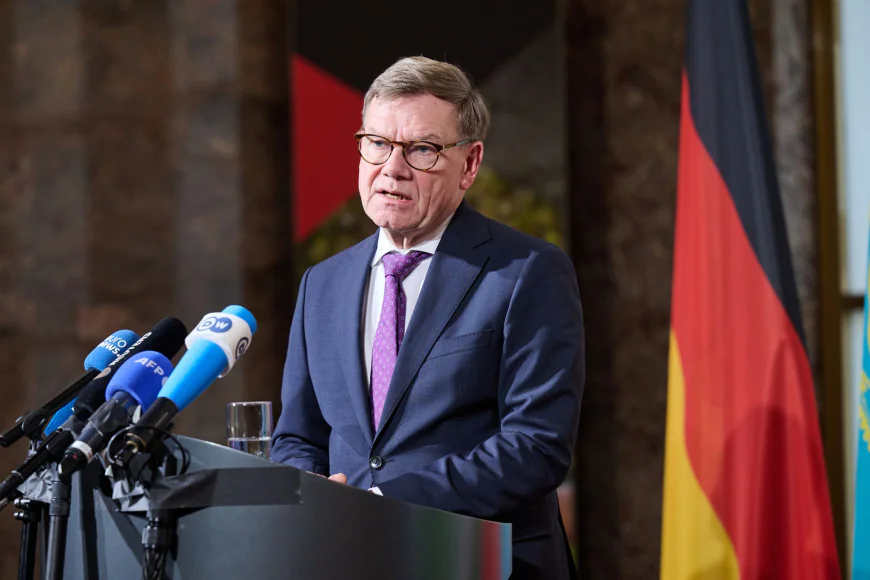
Germany has publicly backed renewed U.S.–Iran negotiations addressing Tehran’s nuclear programme and ballistic missile development — a diplomatic development with important implications for global energy markets, sanctions policy and investor confidence.
German Foreign Minister Johann Wadephul reiterated Berlin’s support for a diplomatic approach on February 11, 2026, saying Germany favours negotiation over confrontation in dealing with Iran’s nuclear and missile issues. Wadephul stressed that resolving these issues through talks is in Europe’s security interest.
Sanctions, Environment and Economic Context
These talks are unfolding against a background of long-standing sanctions that have constrained Iran’s integration into global markets.
Over the past years, Western nations, including Germany, have threatened or reactivated UN sanctions (“snapback”) if Tehran did not comply with nuclear obligations, such as allowing international inspections and limiting enrichment activities.
Economically, those sanctions have significantly reduced Iranian crude exports and hindered financial and trade links with Europe and beyond. According to UK government trade data, Germany has been assessed as Europe’s largest trading partner with Iran, with bilateral trade reaching around USD 1 billion in 2025, despite restrictions.
Beyond oil exports, sanctions have also restricted Iran’s access to the international banking system, including limitations linked to the SWIFT network, making cross-border transactions more complex and costly.
This has discouraged foreign direct investment and limited Iran’s ability to attract capital into sectors such as energy infrastructure, aviation, automotive manufacturing and technology.
European firms, wary of secondary U.S. sanctions, have often withdrawn from projects despite political support for engagement.
As a result, Iran’s economy has faced currency volatility, inflationary pressure and constrained growth, reinforcing the high economic stakes attached to any renewed diplomatic breakthrough.
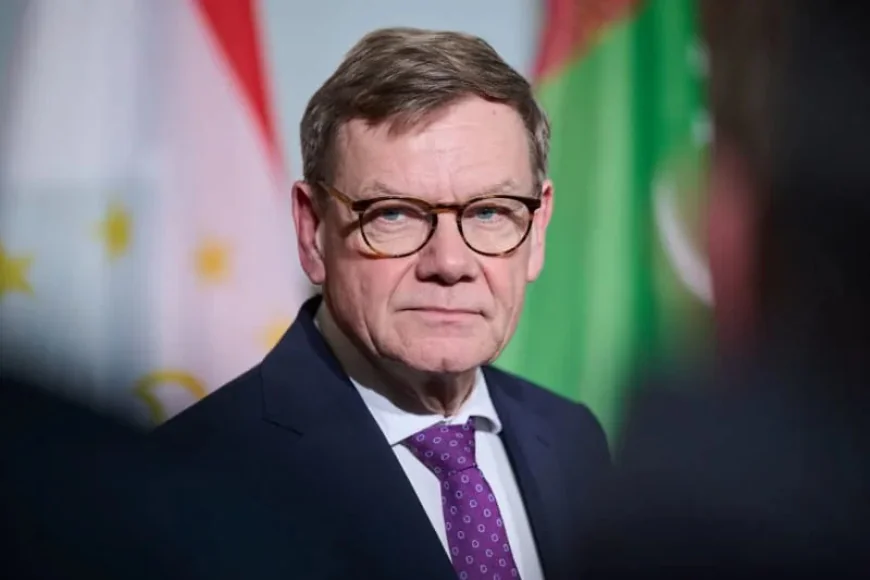
Germany's Foreign Minister Johann Wadephul makes a statement ahead of welcoming his Central Asian counterparts to talks at the Foreign Office
Market and Energy Implications
For energy markets, Iran’s potential re-entry into the global oil and gas trade is significant. Iran holds vast hydrocarbon reserves that — if sanctions were eased under a negotiated deal — could increase global supply, exerting downward pressure on oil prices and altering OPEC+ production calculations that currently shape market dynamics.
Even a phased return of Iranian barrels to the market could shift short-term supply expectations, particularly if global demand remains steady or softens amid slower economic growth in major economies.
Investors and commodity traders are watching these diplomatic signals closely.
A diplomatic breakthrough could reduce geopolitical risk premiums embedded in energy prices and ease volatility, while stalled negotiations could keep prices elevated amid uncertainty over Middle Eastern supply security.
Beyond crude markets, natural gas pricing, shipping costs and refinery margins could also be affected, particularly in Europe and Asia, where energy import dependence heightens sensitivity to regional instability.
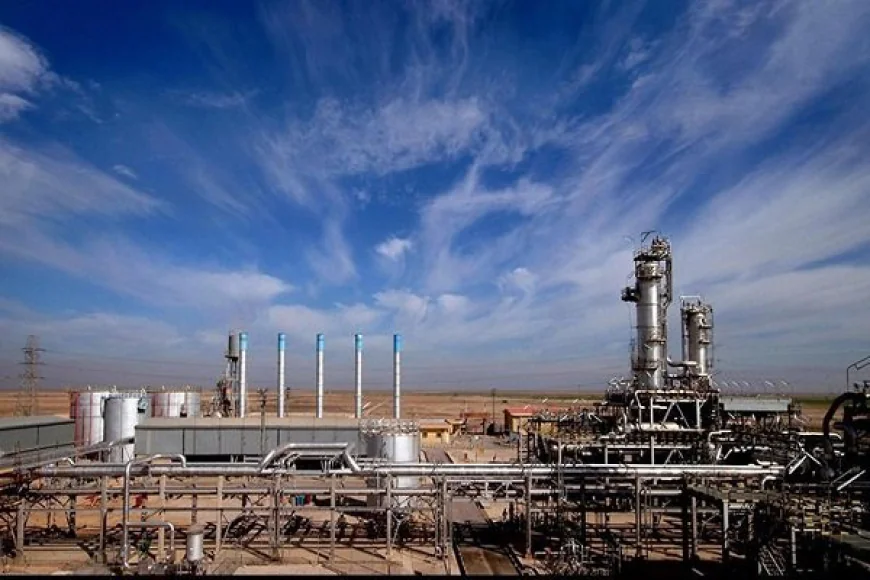
TEHRAN, May 19 - Iran's crude oil reserve
Strategic European Economic Interests
Germany’s support of negotiations also reflects a broader European interest in fostering stability and reducing external shocks to the economy.
Stable energy prices are particularly crucial for European manufacturing and industrial sectors, which have faced inflationary and supply pressures in the wake of pandemic disruptions and the war in Ukraine.
Energy-intensive industries such as chemicals, automotive production and heavy engineering are especially sensitive to oil and gas price swings, which feed directly into production costs and export competitiveness.
By backing diplomacy, Germany potentially supports negotiations with Iran to maintain stability in the Middle East and prevent sudden shocks to global energy markets
For businesses, clarity on sanctions and diplomatic developments directly affects planning and risk assessment. Sanctions complicate banking, procurement, shipping, and compliance, so any credible path to easing those barriers would be closely watched by corporate risk officers and investment analysts.
Greater certainty could improve long-term investment modelling, reduce legal exposure and stabilise trade finance conditions across affected sectors.
A Geopolitical Variable for Investors
Ultimately, Germany’s public support for continued negotiations highlights how foreign policy and macroeconomic conditions are deeply intertwined.
The outcome of U.S.–Iran talks — whether they result in meaningful sanctions relief or an extended stalemate — will have ripple effects across multiple financial markets.
If sanctions are eased, Iran could gradually re-enter global oil and gas markets, potentially increasing supply, lowering energy prices, and reducing volatility.
This, in turn, could improve investor confidence in energy-related equities, emerging market bonds, and regional trade flows, while influencing OPEC+ production decisions and global commodity indices.
Conversely, stalled negotiations or rising tensions could elevate geopolitical risk premiums, pushing oil and gas prices higher, increasing insurance and shipping costs for Middle Eastern trade routes, and prompting risk-off behaviour in global equity markets.
Investors who already factor in central bank policy, corporate earnings, and macroeconomic trends must now incorporate the evolving U.S.–Iran diplomatic landscape into portfolio allocations, hedging strategies, and market forecasts, highlighting how political developments are a critical variable in global financial decision-making.
Final Thoughts
Germany’s Foreign Minister Johann Wadephul’s backing of renewed U.S.–Iran negotiations signals Europe’s preference for diplomacy over confrontation, with potential global repercussions for energy markets, sanctions regimes, investor confidence, and regional stability.
A breakthrough could ease sanctions, increase Iranian oil supply, and reduce geopolitical risk premiums, while stalled talks could exacerbate market volatility.
What's Your Reaction?
 Like
0
Like
0
 Dislike
0
Dislike
0
 Love
0
Love
0
 Funny
0
Funny
0
 Wow
0
Wow
0
 Sad
0
Sad
0
 Angry
0
Angry
0

I’m a freelance writer with a passion for business, lifestyle, and opinion pieces that explore culture, trends, and real-world insights. I bring a perspective that blends professional knowledge with cultural awareness, drawing on my experience in real estate and a keen interest in South Asian lifestyle and culture. I hold a Master’s in Popular Music Practice, and outside of writing, I enjoy playing the flute and reading about philosophy and psychology. I love crafting engaging, thought-provoking stories and am always excited to pitch fresh ideas or take on features that connect communities, trends, and the bigger picture.















Comments (0)